 EN
EN
Understanding Modern Rotor Winding Technology
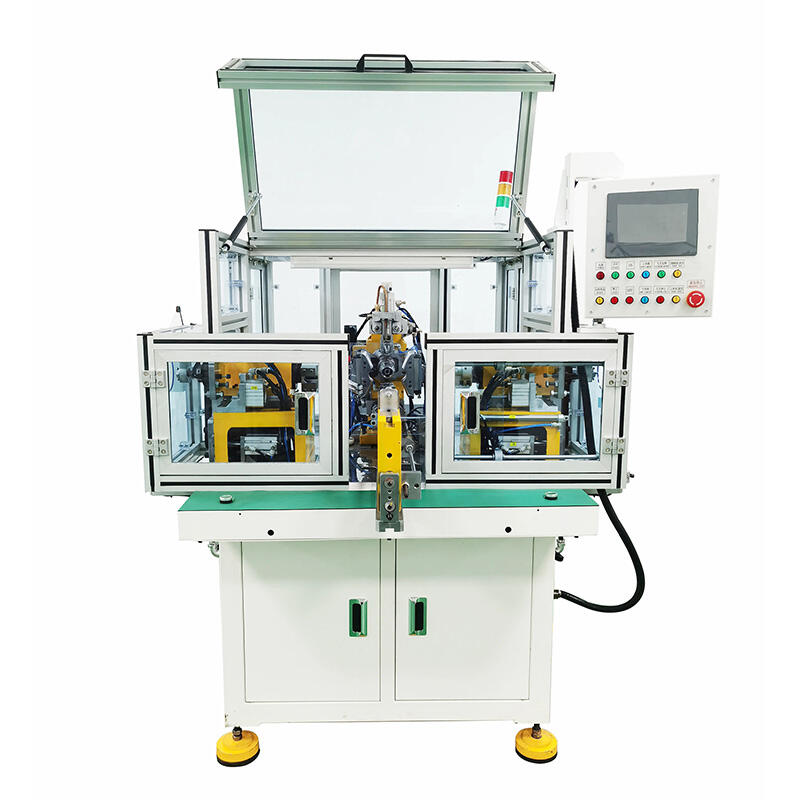
The evolution of electrical manufacturing has brought significant advancements in rotor winding machines, transforming the way electric motors and generators are produced. These sophisticated pieces of equipment serve as the backbone of motor production, ensuring precision and efficiency in the winding process. As industries continue to demand higher performance and reliability, selecting the right rotor winding machine becomes increasingly crucial for manufacturers and electrical contractors.
Modern rotor winding technology incorporates advanced features like automated tensioning systems, programmable winding patterns, and precise wire placement mechanisms. These innovations have revolutionized the production process, enabling manufacturers to achieve consistent quality while reducing production time and labor costs. Understanding these technological aspects is essential for making an informed purchasing decision.
Essential Features and Specifications
Winding Capacity and Speed Control
The winding capacity of a rotor winding machine directly impacts production capabilities. Modern systems typically offer variable speed control, allowing operators to adjust winding speeds based on wire gauge and rotor specifications. High-end machines can handle wire sizes from 0.02mm to 5mm and maintain consistent tension throughout the winding process.
Advanced speed control mechanisms ensure smooth acceleration and deceleration, preventing wire breakage and maintaining uniform winding patterns. The best machines incorporate servo-driven technology for precise speed regulation and position control, essential for complex winding patterns.
Automation and Control Systems
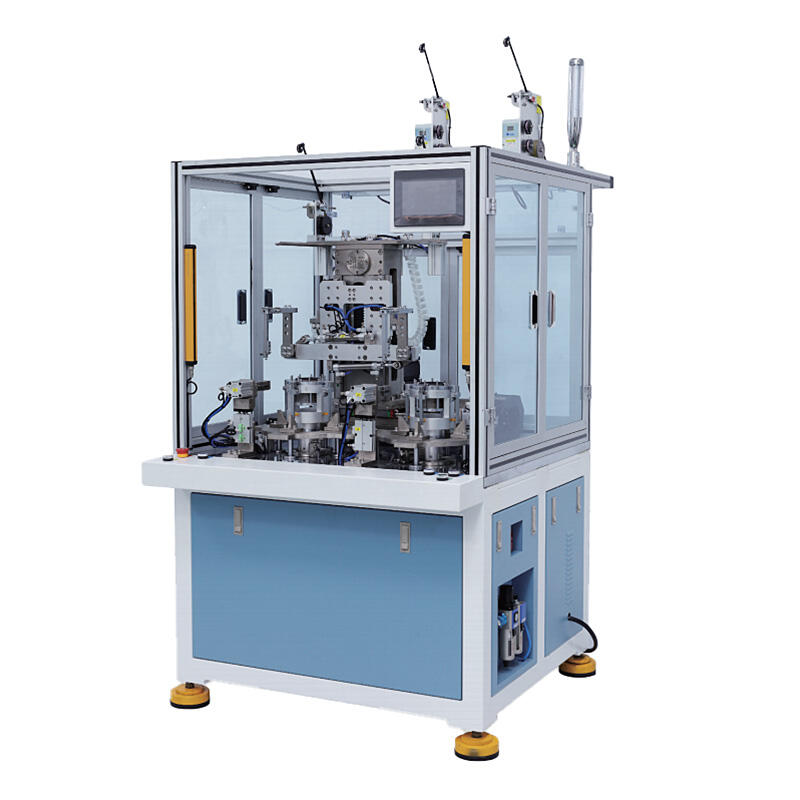
Contemporary rotor winding machines feature sophisticated control systems that optimize the winding process. Programmable logic controllers (PLCs) enable operators to store and recall multiple winding patterns, reducing setup time between different production runs. Touch-screen interfaces provide intuitive control over operating parameters and real-time monitoring of the winding process.
Advanced automation features include automatic wire feeding systems, tension monitoring, and layer counting capabilities. These features not only enhance production efficiency but also minimize operator fatigue and potential human errors during the winding process.
Performance Optimization Factors
Tension Control and Wire Management
Proper tension control is crucial for achieving high-quality windings. Advanced rotor winding machines incorporate electronic tension control systems that maintain consistent wire tension throughout the winding cycle. This precision ensures uniform wire distribution and prevents loose or tight spots that could compromise motor performance.
Wire management systems include automated wire guides, break detection sensors, and emergency stop mechanisms. These features protect both the machine and the materials being processed, reducing waste and maintaining production quality standards.
Precision and Repeatability
Modern rotor winding machines excel in delivering consistent, repeatable results. High-precision spindle systems and advanced positioning mechanisms ensure accurate wire placement with minimal deviation. This level of precision is essential for producing motors with optimal performance characteristics.
Quality control features such as integrated testing capabilities and real-time monitoring systems help maintain production standards. These systems can detect potential issues before they affect the final product, reducing waste and improving overall efficiency.
Maintenance and Support Considerations
Preventive Maintenance Requirements
Regular maintenance is essential for keeping a rotor winding machine operating at peak efficiency. Modern systems include built-in diagnostics that alert operators to potential issues before they cause downtime. Implementing a comprehensive maintenance schedule helps extend equipment life and maintain production quality.
Key maintenance areas include tension system calibration, guide wire cleaning, and mechanical alignment checks. Advanced machines often feature modular designs that simplify component replacement and reduce maintenance time.
Technical Support and Training
Manufacturer support plays a crucial role in maximizing the value of a rotor winding machine investment. Leading manufacturers offer comprehensive training programs, technical documentation, and remote support capabilities. These resources help operators achieve optimal machine performance and quickly resolve any issues that arise.
Consider manufacturers that provide ongoing technical support and readily available spare parts. This ensures minimal downtime when maintenance or repairs are needed, protecting your production schedule and investment.
Investment Considerations and ROI
Cost Analysis and Productivity Gains
When evaluating a rotor winding machine investment, consider both initial costs and long-term benefits. Modern machines offer increased productivity through faster winding speeds, reduced setup times, and minimal material waste. These improvements can significantly impact return on investment calculations.
Advanced features like automated operation and quality control systems may increase initial costs but often lead to lower operating expenses and improved product quality. Calculate potential productivity gains based on your specific production requirements and labor costs.
Future-Proofing Your Investment
Select a rotor winding machine that can adapt to evolving production needs. Look for systems with upgradeable software, expandable programming capabilities, and compatibility with various wire types and sizes. This flexibility ensures the equipment remains valuable as manufacturing requirements change.
Consider the manufacturer's track record of innovation and commitment to product development. This indicates their ability to provide future upgrades and support as technology advances.
Frequently Asked Questions
What factors most influence rotor winding machine performance?
The key factors affecting performance include tension control accuracy, winding speed capabilities, automation features, and precision of the positioning system. The quality of these components directly impacts winding consistency and overall production efficiency.
How often should preventive maintenance be performed?
Most manufacturers recommend daily visual inspections, weekly cleaning and calibration checks, and comprehensive monthly maintenance reviews. However, specific requirements may vary based on production volume and operating conditions.
What training is typically required for operators?
Operators generally need 1-2 weeks of initial training covering basic operation, programming, troubleshooting, and maintenance procedures. Advanced training may be necessary for complex applications or when utilizing advanced features.
How can I calculate the return on investment for a new machine?
Calculate ROI by comparing current production costs with projected savings from increased efficiency, reduced labor requirements, and improved quality control. Factor in maintenance costs, training requirements, and potential energy savings from newer technology.