 EN
EN
Achieving maximum flight time in FPV racing and aerial cinematography requires a comprehensive understanding of how motors, propellers, and batteries work together as an integrated system. The performance characteristics of fpv drone motors directly influence power consumption, thrust generation, and overall efficiency, making motor selection a critical factor in optimizing flight duration. Professional pilots and enthusiasts alike recognize that the relationship between these three components determines not only how long your aircraft stays airborne but also how effectively it performs during flight operations.
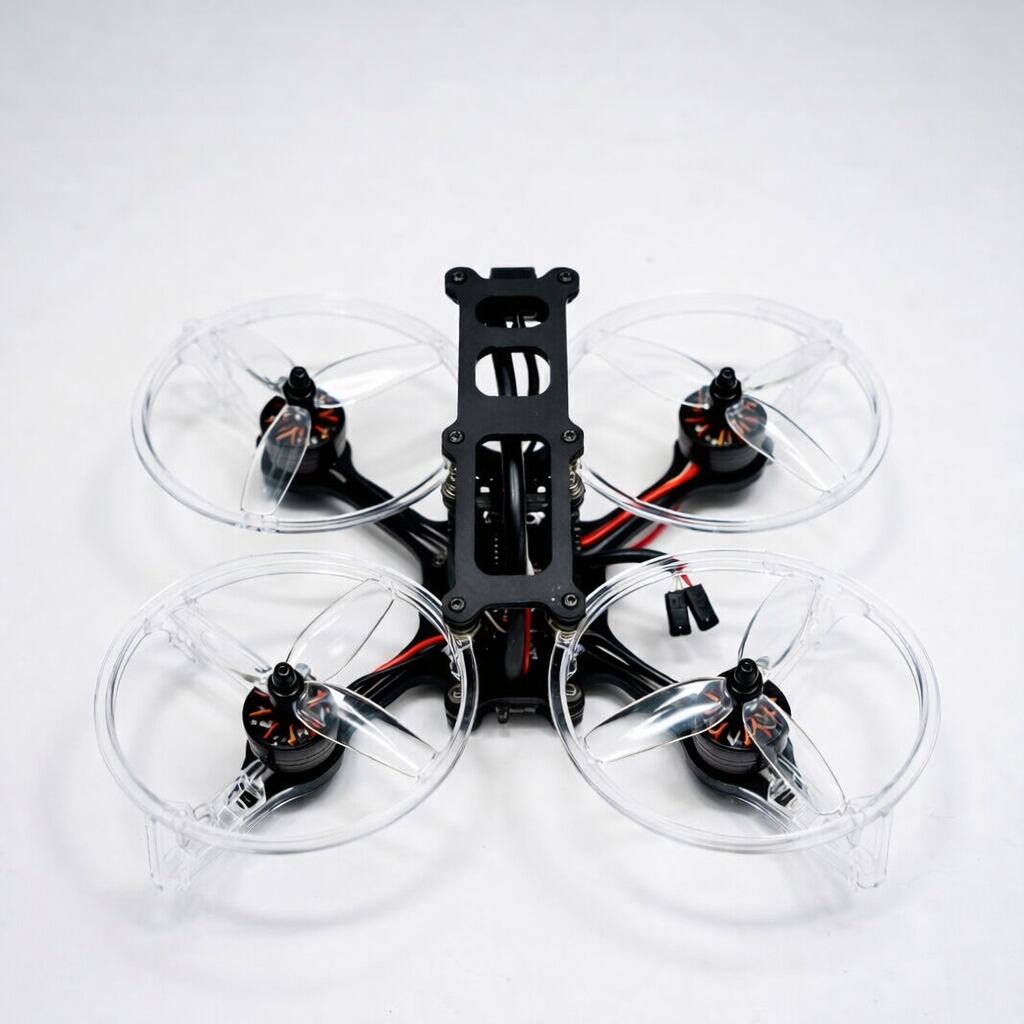
Modern fpv drone motors have evolved significantly in recent years, incorporating advanced magnetic materials, precision bearings, and optimized winding configurations that dramatically improve power-to-weight ratios. Understanding the fundamental principles behind motor efficiency enables pilots to make informed decisions about component selection and system configuration. The interplay between motor specifications, propeller characteristics, and battery chemistry creates numerous optimization opportunities that can extend flight times by 20-40% when properly implemented.
Understanding Motor Specifications and Performance Characteristics
Key Motor Parameters That Affect Flight Time
The electrical characteristics of fpv drone motors play a crucial role in determining overall system efficiency and power consumption patterns. Key voltage (KV) ratings indicate the motor's rotational speed per volt applied, with lower KV motors typically providing better efficiency at higher loads while higher KV motors excel in applications requiring rapid acceleration and high-speed performance. Current draw characteristics, measured in amperes under various load conditions, directly correlate to battery drain rates and thermal management requirements.
Torque production capabilities determine how effectively motors can spin larger propellers or maintain consistent performance under varying flight conditions. Motor timing and advance angles affect both power output and efficiency, with properly tuned parameters yielding significant improvements in flight duration. Understanding these specifications enables pilots to select fpv drone motors that match their specific flight requirements while maximizing energy utilization.
Efficiency Curves and Operating Points
Every motor exhibits unique efficiency characteristics across different operating conditions, with peak efficiency typically occurring within specific RPM and load ranges. Analyzing manufacturer efficiency curves helps identify optimal operating points where power consumption remains minimal while providing adequate thrust for stable flight. These curves demonstrate how motor performance varies with throttle position, load conditions, and environmental factors such as temperature and altitude.
Operating fpv drone motors within their peak efficiency ranges requires careful consideration of propeller selection, flight style, and battery voltage characteristics. Motors running outside their optimal efficiency zones consume significantly more power while generating excessive heat, leading to reduced performance and shortened flight times. Professional installations often include real-time monitoring systems that track motor performance parameters and provide feedback for optimization purposes.
Propeller Selection and Aerodynamic Matching
Propeller Pitch and Diameter Relationships
Propeller selection represents one of the most critical factors affecting the performance of fpv drone motors and overall flight efficiency. The relationship between propeller diameter and pitch determines thrust production characteristics, power requirements, and operational speed ranges. Larger diameter propellers generally provide better static thrust and improved efficiency at lower speeds, while smaller propellers excel in high-speed applications requiring rapid directional changes.
Pitch angles influence the theoretical advance distance per revolution, affecting both thrust generation and power consumption patterns. Higher pitch propellers require more torque to maintain rotational speed but provide increased forward thrust at higher airspeeds. The optimal balance between diameter and pitch depends on specific flight requirements, motor characteristics, and desired performance outcomes. Matching propeller specifications to motor capabilities ensures efficient power transfer while preventing overcurrent conditions that reduce flight time.
Material Properties and Construction Quality
Advanced propeller materials such as carbon fiber composites offer superior strength-to-weight ratios compared to traditional plastic alternatives, enabling the construction of more efficient blade profiles with reduced parasitic drag. Material selection affects not only aerodynamic performance but also durability under high-stress conditions encountered in competitive racing environments. High-quality construction techniques ensure consistent blade profiles and balanced rotation, minimizing vibrations that waste energy and stress fpv drone motors.
Precision manufacturing processes create propellers with optimal twist distributions and chord variations that maximize thrust production while minimizing power requirements. Surface finish quality affects boundary layer characteristics and overall aerodynamic efficiency, with smooth surfaces reducing drag and improving performance. Professional-grade propellers undergo extensive testing and optimization to ensure compatibility with high-performance motor systems while delivering consistent results across various operating conditions.
Battery Chemistry and Power Management Strategies
Lithium Polymer Cell Characteristics
Modern battery technology provides multiple chemistry options that significantly impact the performance characteristics of fpv drone motors and overall flight duration. Lithium polymer (LiPo) batteries remain the most popular choice due to their high energy density, low internal resistance, and ability to deliver high discharge rates required by powerful motor systems. Understanding cell voltage characteristics throughout discharge cycles enables pilots to optimize flight profiles and maximize available energy utilization.
Battery capacity ratings, measured in milliampere-hours (mAh), indicate total energy storage capability, while discharge rate specifications determine maximum current delivery potential. Higher capacity batteries provide longer flight times but add weight that affects aircraft performance and maneuverability. The relationship between battery weight, capacity, and discharge characteristics requires careful analysis to achieve optimal performance with fpv drone motors while maintaining desired flight characteristics.
Voltage Sag and Performance Impact
Battery voltage sag under load conditions directly affects motor performance, with significant voltage drops reducing available power and thrust production capabilities. Internal resistance characteristics vary between different battery types and quality levels, with premium batteries maintaining more stable voltage delivery throughout discharge cycles. Monitoring voltage levels during flight enables pilots to adjust throttle inputs and flight patterns to maintain optimal motor operating conditions.
Advanced battery management systems incorporate voltage monitoring, temperature sensing, and current limiting features that protect both batteries and fpv drone motors from damage while maximizing performance. Cell balancing systems ensure uniform discharge patterns across multiple cells, preventing premature capacity loss and extending overall battery life. Understanding these management strategies enables pilots to implement charging and maintenance procedures that preserve battery performance over extended service periods.
System Integration and Optimization Techniques
Electronic Speed Controller Configuration
Electronic speed controllers (ESCs) serve as the critical interface between batteries and fpv drone motors, with their configuration parameters significantly affecting overall system efficiency and performance characteristics. Modern ESC firmware includes numerous adjustable parameters such as timing advance, startup procedures, and braking settings that can be optimized for specific motor and propeller combinations. Proper ESC configuration ensures smooth motor operation while minimizing power losses and electromagnetic interference.
PWM frequency settings affect motor smoothness and heat generation, with higher frequencies providing smoother operation at the cost of slightly increased power consumption. Motor timing adjustments influence both power output and efficiency, requiring careful calibration to achieve optimal performance without exceeding thermal limits. Advanced ESC systems include telemetry capabilities that provide real-time monitoring of motor parameters, enabling pilots to fine-tune settings based on actual flight data and performance metrics.
Thermal Management and Cooling Strategies
Effective thermal management ensures fpv drone motors maintain peak efficiency throughout extended flight sessions while preventing performance degradation due to excessive heat buildup. Motor temperature directly affects magnetic strength, winding resistance, and bearing lubrication properties, with elevated temperatures reducing efficiency and potentially causing permanent damage. Implementing proper cooling strategies extends motor life while maintaining consistent performance characteristics.
Airflow management through strategic placement of motors and propellers provides natural cooling during forward flight, while specialized cooling fins and heat sinks enhance thermal dissipation in hovering conditions. Temperature monitoring systems alert pilots to potential overheating conditions before damage occurs, enabling preventive measures such as reduced throttle inputs or brief cooling periods. Professional installations often incorporate active cooling systems that maintain optimal motor temperatures regardless of flight conditions or ambient environmental factors.
Performance Testing and Optimization Methodologies
Data Collection and Analysis Techniques
Systematic performance testing provides quantitative data necessary for optimizing the relationship between fpv drone motors, propellers, and batteries to achieve maximum flight duration. Professional testing protocols include controlled flight patterns, standardized environmental conditions, and comprehensive data logging to ensure reproducible results. Measuring parameters such as current consumption, voltage levels, motor temperatures, and flight times enables pilots to identify optimal configuration settings.
Advanced telemetry systems capture real-time performance data including motor RPM, power consumption, and efficiency metrics throughout entire flight sessions. Statistical analysis of collected data reveals performance trends and identifies opportunities for further optimization. Comparative testing between different component combinations provides empirical evidence for configuration decisions while validating theoretical predictions about system performance.
Iterative Optimization Processes
Achieving maximum flight time requires iterative testing and refinement of system parameters through systematic experimentation and data-driven decision making. Starting with baseline configurations, pilots can methodically adjust individual parameters while monitoring their effects on overall performance. This approach ensures that optimization efforts focus on changes that provide meaningful improvements rather than pursuing marginal gains that may not justify associated costs or complexity.
Documentation of testing procedures and results enables other pilots to benefit from optimization discoveries while providing reference data for future configuration modifications. Sharing performance data within the FPV community accelerates innovation and helps establish best practices for specific motor, propeller, and battery combinations. Professional racing teams often maintain detailed databases of configuration settings and performance results that inform strategic decisions about equipment selection and setup procedures.
FAQ
What motor KV rating provides the best flight time for most applications
Lower KV motors typically provide better flight times because they operate more efficiently with larger propellers at moderate RPM levels. Most efficient configurations use motors in the 1000-1500 KV range for 5-6 inch propellers, as this combination provides optimal thrust-to-power ratios. However, specific applications may benefit from different KV ratings depending on desired flight characteristics and propeller constraints.
How does propeller material affect motor performance and flight duration
Carbon fiber propellers offer superior aerodynamic efficiency compared to plastic alternatives, reducing power requirements for equivalent thrust production. The improved stiffness and precision manufacturing of carbon fiber propellers also reduce vibrations that waste energy and stress motor bearings. While carbon fiber propellers cost more initially, their performance benefits often justify the investment through extended flight times and reduced motor wear.
What battery capacity provides the optimal balance between weight and flight time
The optimal battery capacity depends on aircraft size, motor power requirements, and desired flight characteristics. Generally, 4S 1300-1500 mAh batteries provide good performance for 5-inch racing quads, while larger 6S 2200-2600 mAh packs suit 7-inch long-range builds. Testing different capacities with your specific configuration determines the point where additional battery weight no longer provides proportional flight time increases.
How often should motor timing and ESC settings be adjusted for optimal performance
ESC settings should be optimized whenever changing motor or propeller combinations, as different components may require adjusted timing parameters for peak efficiency. Regular monitoring of motor temperatures and current consumption helps identify when settings need refinement. Most configurations remain stable once properly tuned, but seasonal temperature changes or component aging may necessitate periodic adjustments to maintain optimal performance.
Table of Contents
- Understanding Motor Specifications and Performance Characteristics
- Propeller Selection and Aerodynamic Matching
- Battery Chemistry and Power Management Strategies
- System Integration and Optimization Techniques
- Performance Testing and Optimization Methodologies
-
FAQ
- What motor KV rating provides the best flight time for most applications
- How does propeller material affect motor performance and flight duration
- What battery capacity provides the optimal balance between weight and flight time
- How often should motor timing and ESC settings be adjusted for optimal performance