 EN
EN

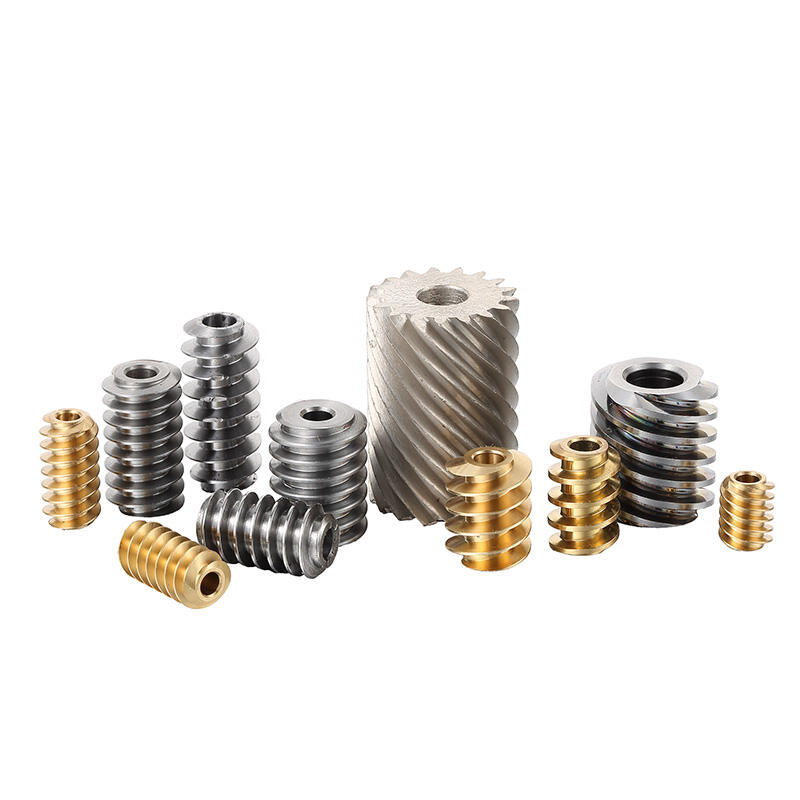
Industrial machinery relies heavily on precision-engineered components to deliver optimal performance, and the worm shaft stands as one of the most critical elements in power transmission systems. As manufacturing demands continue to evolve in 2025, selecting the right worm shaft has become increasingly important for maintaining operational efficiency and reducing downtime. This comprehensive guide explores the essential factors that engineers and procurement professionals must consider when choosing worm shafts for various industrial applications, from material selection to dimensional specifications.
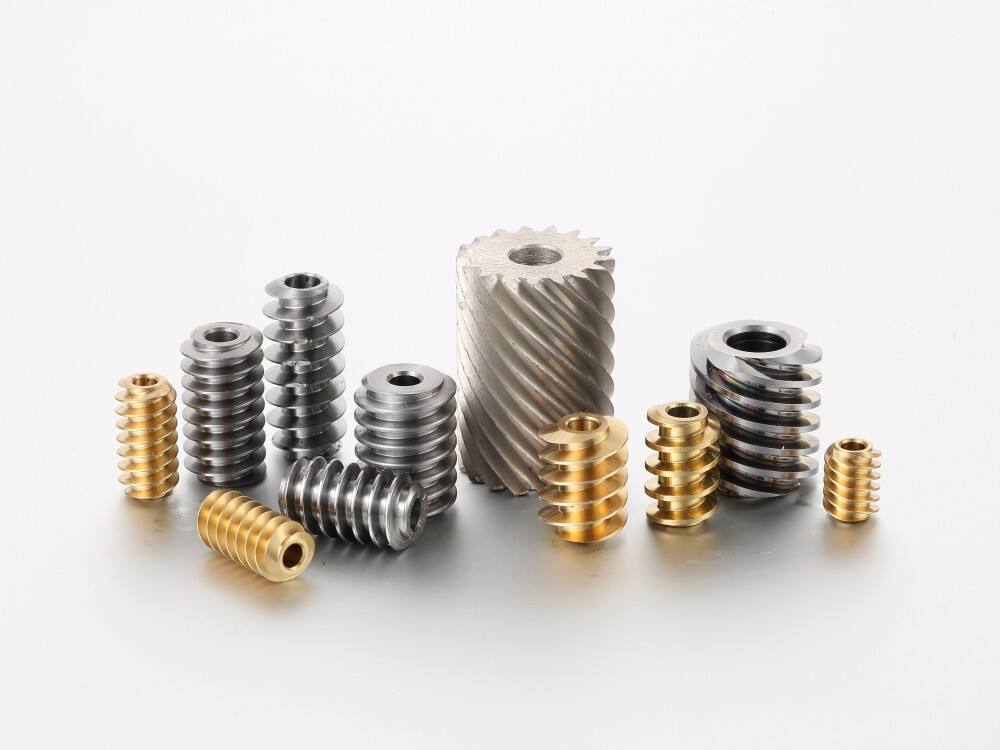
Understanding Worm Shaft Fundamentals
Basic Design Principles
The worm shaft operates as the driving component in worm gear systems, featuring a helical thread that meshes with the teeth of a worm wheel to create mechanical advantage. This unique design allows for significant speed reduction while providing high torque multiplication, making it invaluable in applications requiring precise control and substantial force transmission. The helical structure of the worm shaft enables smooth operation with minimal backlash, contributing to the overall precision of the mechanical system.
Modern worm shaft designs incorporate advanced manufacturing techniques that enhance surface finish and dimensional accuracy. The lead angle, pitch diameter, and thread profile must be precisely calculated to ensure optimal meshing with the corresponding worm gear. Engineers must consider these geometric parameters alongside load requirements and operating conditions to achieve the desired performance characteristics in their specific applications.
Material Composition and Properties
Material selection plays a crucial role in worm shaft performance and longevity. High-grade steel alloys, typically hardened and tempered, provide the necessary strength and wear resistance for demanding industrial environments. Carbon steel variants offer excellent machinability and cost-effectiveness for standard applications, while alloy steels with chromium, nickel, or molybdenum additions deliver superior performance under extreme conditions.
Surface treatments such as case hardening, nitriding, or specialized coatings can significantly extend service life by improving wear resistance and reducing friction. The choice between solid and hollow worm shaft configurations depends on specific application requirements, with hollow designs offering weight reduction benefits and the ability to accommodate through-shafts or cooling systems.
Critical Selection Parameters
Load Capacity and Torque Requirements
Determining the appropriate load capacity for a worm shaft requires careful analysis of both static and dynamic forces acting on the system. Engineers must calculate the maximum torque that will be transmitted, considering factors such as starting loads, operational variations, and safety margins. The worm shaft must be capable of handling peak loads without experiencing permanent deformation or premature failure.
Dynamic load factors become particularly important in applications with frequent starts and stops, variable speeds, or shock loading conditions. The fatigue strength of the worm shaft material must be sufficient to withstand millions of load cycles over its intended service life. Proper load distribution across the helical threads ensures even wear patterns and maximizes operational reliability.
Speed and Efficiency Considerations
Operating speed significantly influences worm shaft selection, as higher speeds generate increased heat due to sliding friction between the worm and gear teeth. The relationship between input speed, reduction ratio, and thermal management must be carefully balanced to maintain acceptable operating temperatures. Lubrication systems play a vital role in managing heat dissipation and reducing wear at higher operating speeds.
Efficiency optimization requires consideration of lead angle, surface finish, and lubrication quality. While worm gear systems inherently have lower efficiency compared to other gear types, proper worm shaft selection can maximize power transmission effectiveness. The self-locking characteristic of many worm gear systems, while beneficial for certain applications, contributes to reduced efficiency due to the sliding action inherent in the design.
Industrial Application Categories
Manufacturing and Automation Systems
Manufacturing environments demand worm shaft solutions that can withstand continuous operation while maintaining precise positioning accuracy. Automated production lines rely on worm gear systems for conveyor drives, indexing tables, and robotic joint actuators where the combination of speed reduction and positional holding capability proves invaluable. The inherent self-locking properties prevent back-driving, ensuring that equipment maintains position even when power is removed.
Quality control in manufacturing applications requires worm shafts with minimal backlash and consistent performance characteristics. Precision machining and assembly techniques ensure that dimensional tolerances meet the stringent requirements of automated systems. Regular maintenance schedules and condition monitoring help identify potential issues before they impact production schedules.
Heavy Industrial and Mining Equipment
Heavy industrial applications present unique challenges for worm shaft selection, including extreme loads, harsh environmental conditions, and extended operating cycles. Mining equipment, steel mill machinery, and large-scale material handling systems require worm shafts capable of transmitting substantial torque while operating reliably in dusty, corrosive, or high-temperature environments.
Specialized alloy compositions and protective coatings become essential in these demanding applications. Environmental sealing systems protect the worm shaft and associated components from contamination, while robust lubrication systems ensure adequate film thickness under extreme pressure conditions. Regular inspection and preventive maintenance programs help maximize equipment availability in critical production environments.
Sizing and Specification Guidelines
Dimensional Calculations
Proper sizing of worm shafts involves complex calculations that account for transmitted power, operating speed, service factor, and desired reduction ratio. The pitch diameter must be selected to provide adequate tooth strength while maintaining reasonable overall dimensions. Lead calculations determine the axial advance per revolution, directly affecting the speed reduction ratio and mechanical advantage of the system.
Thread geometry, including pressure angle and helix angle, influences both load capacity and efficiency characteristics. Standard thread forms provide good availability and cost-effectiveness, while custom profiles may be necessary for specialized applications. Shaft length must accommodate the required number of threads while providing adequate support bearing locations.
Tolerance and Quality Standards
Manufacturing tolerances for worm shafts must balance performance requirements with production costs. Tighter tolerances generally improve meshing accuracy and reduce noise and vibration, but they also increase manufacturing complexity and cost. Industry standards such as AGMA and ISO provide guidelines for acceptable tolerance ranges based on application requirements and quality grades.
Surface finish specifications directly impact wear characteristics and lubrication effectiveness. Smoother surfaces generally provide better lubrication retention and reduced friction, but they may require more expensive manufacturing processes. The trade-off between surface quality and cost must be evaluated based on specific application requirements and expected service life.
Installation and Maintenance Best Practices
Proper Assembly Techniques
Correct installation procedures are essential for achieving optimal worm shaft performance and longevity. Proper alignment between the worm shaft and mating gear ensures even load distribution and prevents premature wear. Mounting arrangements must provide adequate support while allowing for thermal expansion and operational deflections.
Lubrication system setup requires attention to oil type, quantity, and circulation patterns. Initial break-in procedures help establish proper wear patterns and remove any manufacturing residues that could affect long-term performance. Torque specifications for mounting hardware must be followed to prevent distortion or inadequate clamping force.
Preventive Maintenance Strategies
Regular inspection schedules should include visual examination of the worm shaft surface for signs of wear, scoring, or corrosion. Vibration monitoring can detect developing problems such as misalignment or bearing wear before they cause catastrophic failure. Oil analysis programs help identify contamination, additive depletion, or wear particle generation that may indicate impending component failure.
Lubrication maintenance involves regular oil changes, filter replacement, and system cleaning to ensure optimal performance. Temperature monitoring helps identify operating conditions that may accelerate wear or cause thermal damage. Documentation of maintenance activities provides valuable data for optimizing service intervals and identifying recurring issues.
Future Trends and Innovations
Advanced Materials and Coatings
Emerging material technologies promise to enhance worm shaft performance through improved strength-to-weight ratios, enhanced wear resistance, and extended service life. Advanced steel alloys with precise microstructure control offer superior fatigue resistance and dimensional stability. Ceramic and composite materials show potential for specialized applications requiring extreme temperature or corrosion resistance.
Nanotechnology-based coatings provide unprecedented surface properties, including ultra-low friction coefficients and exceptional wear resistance. These advanced surface treatments may enable higher operating speeds and reduced lubrication requirements in future worm shaft designs. Research into self-lubricating materials continues to show promise for maintenance-free applications.
Smart Manufacturing and Industry 4.0 Integration
Digital manufacturing techniques enable precise control of worm shaft geometry and surface properties, resulting in more consistent quality and performance characteristics. Additive manufacturing technologies offer the potential for complex internal geometries and customized designs that would be impossible with traditional machining methods.
Internet of Things connectivity allows real-time monitoring of worm shaft performance, enabling predictive maintenance strategies and optimized operating parameters. Machine learning algorithms can analyze operational data to identify patterns that indicate optimal maintenance timing or potential design improvements for future applications.
FAQ
What factors determine the appropriate worm shaft material for my application
The selection of worm shaft material depends on several key factors including operating load, speed, environmental conditions, and required service life. For standard industrial applications, hardened steel alloys provide excellent strength and wear resistance. High-temperature environments may require specialized stainless steels or heat-resistant alloys, while corrosive conditions might necessitate materials with enhanced corrosion resistance. Consider factors such as shock loading, vibration, and maintenance accessibility when making material selections.
How do I calculate the proper size worm shaft for my torque requirements
Worm shaft sizing requires calculation of transmitted torque, operating speed, service factor, and desired reduction ratio. Start by determining the maximum torque your application will encounter, then apply appropriate service factors for load variations and safety margins. The pitch diameter and number of threads must be selected to provide adequate strength while maintaining reasonable dimensions. Consult manufacturer catalogs or engineering software for specific sizing calculations based on your application parameters.
What maintenance procedures extend worm shaft service life
Regular maintenance procedures that extend worm shaft life include proper lubrication management, alignment verification, and condition monitoring. Maintain proper oil levels and change lubricants according to manufacturer recommendations or oil analysis results. Monitor operating temperatures and vibration levels to detect developing problems early. Perform regular visual inspections for signs of wear, scoring, or corrosion, and address any issues promptly to prevent further damage.
Can hollow worm shafts replace solid designs in existing applications
Hollow worm shafts can often replace solid designs when properly sized to handle the application loads. The hollow design reduces weight and allows for through-shaft configurations or internal cooling systems. However, the reduced cross-sectional area requires careful analysis to ensure adequate strength and stiffness. Consider factors such as torsional rigidity, critical speed limitations, and mounting arrangements when evaluating hollow alternatives for existing applications.