 EN
EN
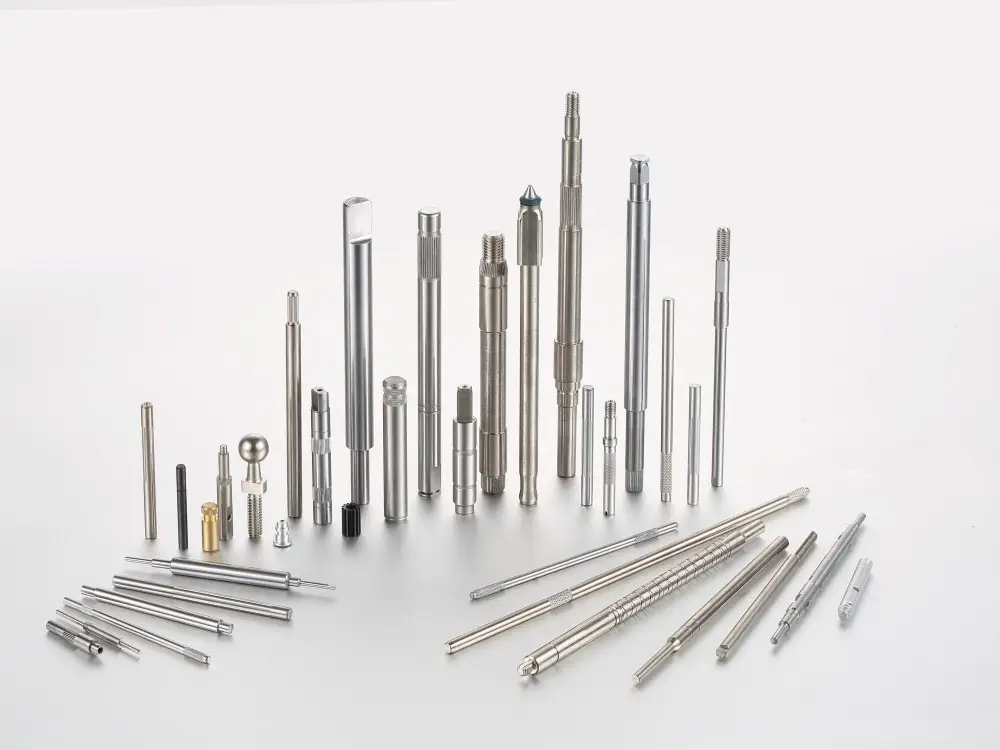
Motor shaft problems can significantly impact the performance and longevity of industrial equipment, leading to costly downtime and repairs. Understanding how to identify and diagnose these issues early is crucial for maintaining operational efficiency in manufacturing environments. A motor shaft serves as the critical component that transfers rotational power from the motor to the driven equipment, making its proper functioning essential for overall system performance. When a motor shaft begins to fail, it can manifest through various symptoms that experienced technicians learn to recognize quickly.
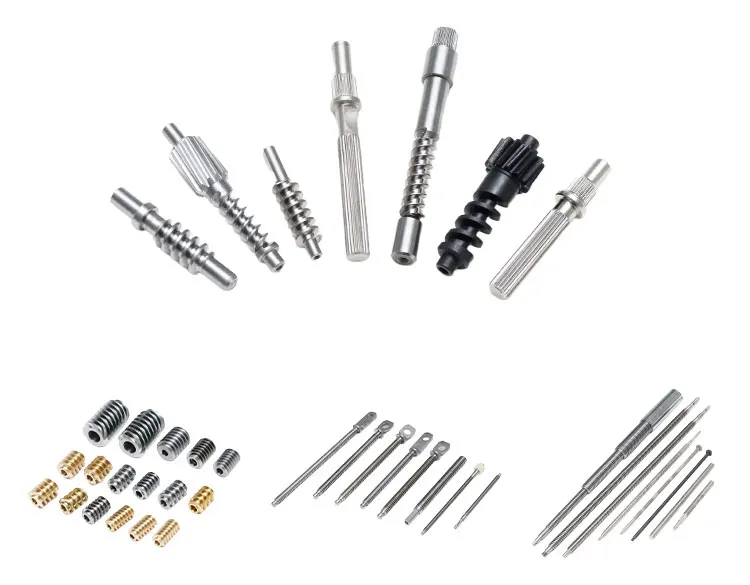
Proper diagnosis of motor shaft issues requires systematic observation, measurement, and testing procedures. Industrial facilities that implement regular monitoring protocols can prevent minor shaft problems from escalating into major equipment failures. The diagnostic process involves examining multiple factors including vibration patterns, temperature variations, alignment specifications, and physical wear indicators. Each type of motor shaft problem presents unique characteristics that help technicians determine the root cause and appropriate corrective action.
Visual Inspection Techniques for Motor Shaft Assessment
External Shaft Examination Methods
The initial step in diagnosing motor shaft problems involves conducting a thorough visual inspection of all accessible components. Technicians should examine the motor shaft for obvious signs of damage such as scoring, pitting, or discoloration that might indicate overheating or contamination issues. Surface irregularities on the shaft can reveal information about operational stresses, lubrication problems, or misalignment conditions that have developed over time.
During external inspection, pay careful attention to the shaft coupling area where mechanical wear patterns often become most apparent. Look for evidence of fretting corrosion, which appears as reddish-brown powder around the coupling interface, indicating micro-movement between mating surfaces. Additionally, check for any bent or distorted sections of the motor shaft that could result from impact damage or excessive loading conditions during operation.
Bearing Housing and Seal Evaluation
Examining the bearing housings provides valuable insights into motor shaft condition and operational history. Oil leakage around shaft seals often indicates wear in the seal contact area of the motor shaft or improper seal installation. Dark or discolored lubricant emerging from bearing housings suggests contamination or thermal degradation that could affect shaft performance.
Inspect the shaft where it passes through bearing housings for signs of wear rings or grooves that develop when the motor shaft moves axially during operation. These wear patterns can indicate bearing problems, thermal expansion issues, or improper shaft end play settings. Documentation of these visual findings creates a baseline for tracking progression of potential problems during future inspections.
Vibration Analysis for Motor Shaft Diagnosis
Understanding Vibration Signatures
Vibration analysis provides one of the most effective methods for detecting developing motor shaft problems before they result in equipment failure. Each type of shaft-related issue produces characteristic vibration signatures that trained analysts can interpret to determine the nature and severity of the problem. Unbalance in the motor shaft typically generates vibration at the running speed frequency, while misalignment creates vibration at both running speed and twice running speed.
Bent shaft conditions produce distinctive vibration patterns that vary based on the severity and location of the bend along the motor shaft length. A slightly bent shaft often generates high axial vibration levels along with phase relationships that shift as the shaft rotates. More severe bends create complex vibration spectra with multiple harmonics of the running speed frequency.
Data Collection and Trending Procedures
Establishing consistent vibration measurement procedures ensures reliable data for trending motor shaft condition over time. Measurement points should be located on bearing housings in radial, axial, and sometimes tangential directions to capture the complete vibration signature. Regular data collection at the same locations using identical measurement parameters allows for accurate comparison of readings taken during different time periods.
Trending vibration data helps identify gradual changes in motor shaft condition that might not be apparent during individual measurements. Sudden increases in vibration levels often indicate acute problems requiring immediate attention, while gradual increases suggest progressive wear or degradation. Establishing alarm levels based on equipment history and manufacturer recommendations helps prioritize maintenance activities and prevent unexpected failures.
Temperature Monitoring and Thermal Analysis
Bearing Temperature Assessment
Temperature monitoring of bearing housings provides critical information about motor shaft operating conditions and potential problems. Elevated bearing temperatures often indicate insufficient lubrication, contamination, or excessive loading on the motor shaft. Infrared thermography allows technicians to measure bearing housing temperatures without direct contact, making it possible to monitor equipment during normal operation.
Comparing bearing temperatures between the drive end and non-drive end of the motor shaft can reveal misalignment or unbalanced loading conditions. Significant temperature differences between similar bearings suggest uneven loading that could lead to premature wear or failure. Temperature trending over time helps identify gradual changes in operating conditions that might indicate developing problems with the motor shaft or associated components.
Thermal Imaging Applications
Advanced thermal imaging techniques enable detailed analysis of temperature distributions across motor shaft assemblies and connected equipment. Hot spots along coupling connections may indicate misalignment between the motor shaft and driven equipment, creating additional stress and heat generation. Cool spots might suggest inadequate loading or potential mechanical disconnection issues.
Regular thermal surveys of motor shaft installations help establish baseline temperature patterns for comparison during future inspections. Documenting thermal images with consistent viewing angles and measurement parameters ensures accurate comparison of results over time. This approach enables early detection of developing problems before they progress to failure conditions.
Alignment and Runout Measurements
Shaft Alignment Verification
Proper alignment between the motor shaft and driven equipment is essential for reliable operation and extended component life. Misalignment creates additional stresses that can cause premature bearing failure, coupling wear, and shaft fatigue. Precision alignment measurements using laser alignment tools provide accurate assessment of both angular and parallel misalignment conditions.
The motor shaft alignment process involves measuring the relative positions of the motor and driven equipment shafts in both horizontal and vertical planes. Correcting alignment problems requires systematic adjustment of equipment positions using precision measurement tools to achieve manufacturer-specified tolerances. Maintaining proper alignment reduces operational stresses and extends the service life of motor shaft assemblies.
Shaft Runout Analysis
Measuring motor shaft runout helps identify bent shaft conditions or bearing problems that affect rotational accuracy. Total indicated runout measurements taken at multiple locations along the shaft length reveal the magnitude and location of any deviation from true rotation. Excessive runout can cause vibration, premature bearing wear, and coupling problems.
Shaft runout measurements should be taken with the motor shaft slowly rotated through complete revolutions while monitoring dial indicator readings. Plotting runout measurements versus shaft rotation angle helps determine whether observed runout results from a bent motor shaft or bearing-related problems. This information guides appropriate corrective actions and helps prevent recurring issues.
Lubrication System Evaluation
Lubricant Condition Analysis
The condition of lubricants used in motor shaft bearing systems provides valuable diagnostic information about equipment health and operating conditions. Oil analysis reveals contamination levels, wear particle concentrations, and chemical degradation that could affect motor shaft performance. Regular sampling and analysis of bearing lubricants helps identify developing problems before they cause equipment damage.
Wear particles found in lubricant samples can indicate specific types of problems affecting the motor shaft assembly. Ferrous particles suggest steel component wear, while brass or bronze particles might indicate bearing cage or bushing wear. The size and shape of wear particles provide additional clues about wear mechanisms and problem severity.
Lubrication System Functionality
Evaluating lubrication system performance ensures adequate lubricant supply to motor shaft bearings under all operating conditions. Insufficient lubrication flow or pressure can lead to bearing overheating and premature motor shaft failure. Monitoring lubrication system parameters during equipment operation helps identify potential supply problems.
Automatic lubrication systems require regular inspection of pump operation, distribution lines, and metering devices to ensure proper function. Manual lubrication procedures must be followed consistently to maintain adequate lubricant levels and prevent contamination. Proper lubrication practices significantly extend motor shaft bearing life and improve overall equipment reliability.
Electrical Testing and Motor Performance Analysis
Motor Current Analysis Techniques
Motor current signature analysis provides insights into mechanical problems affecting motor shaft operation without requiring equipment shutdown. Changes in motor current patterns can indicate mechanical loading variations, misalignment, or bearing problems that affect motor shaft performance. Advanced current analysis techniques can detect developing problems before they become apparent through other diagnostic methods.
Analyzing motor current spectra reveals frequency components related to mechanical problems affecting the motor shaft assembly. Bearing defects often generate characteristic frequencies that appear as sidebands around the fundamental supply frequency. Monitoring these frequency components over time helps track the progression of bearing deterioration.
Power Quality Impact Assessment
Power quality problems can create additional stresses on motor shaft assemblies through increased vibration and heating effects. Voltage unbalance, harmonic distortion, and supply frequency variations all impact motor performance and mechanical loading on the motor shaft. Regular power quality monitoring helps identify electrical issues that could contribute to mechanical problems.
Correlating power quality measurements with mechanical diagnostic data provides a comprehensive view of factors affecting motor shaft reliability. Poor power quality can accelerate bearing wear, increase motor shaft stress, and reduce overall equipment life. Addressing power quality issues often improves mechanical reliability and reduces maintenance requirements.
Predictive Maintenance Program Integration
Condition Monitoring Strategy Development
Integrating motor shaft diagnostic techniques into a comprehensive predictive maintenance program maximizes equipment reliability while minimizing maintenance costs. Effective programs combine multiple diagnostic technologies to provide complete assessment of equipment condition. Regular monitoring schedules ensure consistent data collection for accurate trending and analysis.
Developing equipment-specific diagnostic procedures based on motor shaft application requirements improves diagnostic accuracy and efficiency. Critical equipment may require more frequent monitoring and lower alarm thresholds, while less critical applications might use extended monitoring intervals. Customizing diagnostic approaches based on equipment importance and operating conditions optimizes maintenance resource allocation.
Data Management and Analysis Systems
Modern condition monitoring systems provide automated data collection, analysis, and reporting capabilities that enhance motor shaft diagnostic programs. Computerized maintenance management systems can integrate diagnostic data with maintenance history and equipment specifications to provide comprehensive equipment health assessment. Automated alarm systems alert maintenance personnel to developing problems requiring immediate attention.
Effective data management systems enable long-term trending of motor shaft condition parameters and correlation of diagnostic results with maintenance activities. Historical data analysis helps identify recurring problems and optimize maintenance intervals for improved equipment reliability. Proper documentation of diagnostic findings and corrective actions builds valuable knowledge for future problem-solving efforts.
FAQ
What are the most common symptoms of motor shaft problems
The most common symptoms of motor shaft problems include unusual vibration levels, increased bearing temperatures, abnormal noise during operation, and visible wear on coupling components. Equipment operators often notice changes in vibration characteristics or unusual sounds that indicate developing motor shaft issues. Regular monitoring of these symptoms helps identify problems before they progress to equipment failure.
How often should motor shaft condition be evaluated
Motor shaft condition should be evaluated based on equipment criticality, operating conditions, and manufacturer recommendations. Critical equipment typically requires monthly or quarterly assessments, while less critical applications might use semi-annual or annual evaluation schedules. High-stress applications or harsh operating environments may necessitate more frequent monitoring to prevent unexpected failures.
What tools are essential for motor shaft diagnosis
Essential tools for motor shaft diagnosis include vibration analyzers, infrared thermometers, dial indicators for runout measurement, and laser alignment equipment. Additional useful tools include oil analysis kits, motor current analyzers, and ultrasonic detection equipment for bearing assessment. The specific tools required depend on the diagnostic techniques employed and the complexity of the motor shaft installation.
Can motor shaft problems be prevented through proper maintenance
Most motor shaft problems can be prevented through proper maintenance practices including regular lubrication, accurate alignment, vibration monitoring, and prompt correction of operating condition deviations. Implementing comprehensive preventive maintenance programs significantly reduces the likelihood of unexpected motor shaft failures. Proper installation procedures and adherence to manufacturer specifications also contribute to extended motor shaft service life.
Table of Contents
- Visual Inspection Techniques for Motor Shaft Assessment
- Vibration Analysis for Motor Shaft Diagnosis
- Temperature Monitoring and Thermal Analysis
- Alignment and Runout Measurements
- Lubrication System Evaluation
- Electrical Testing and Motor Performance Analysis
- Predictive Maintenance Program Integration
- FAQ