 EN
EN

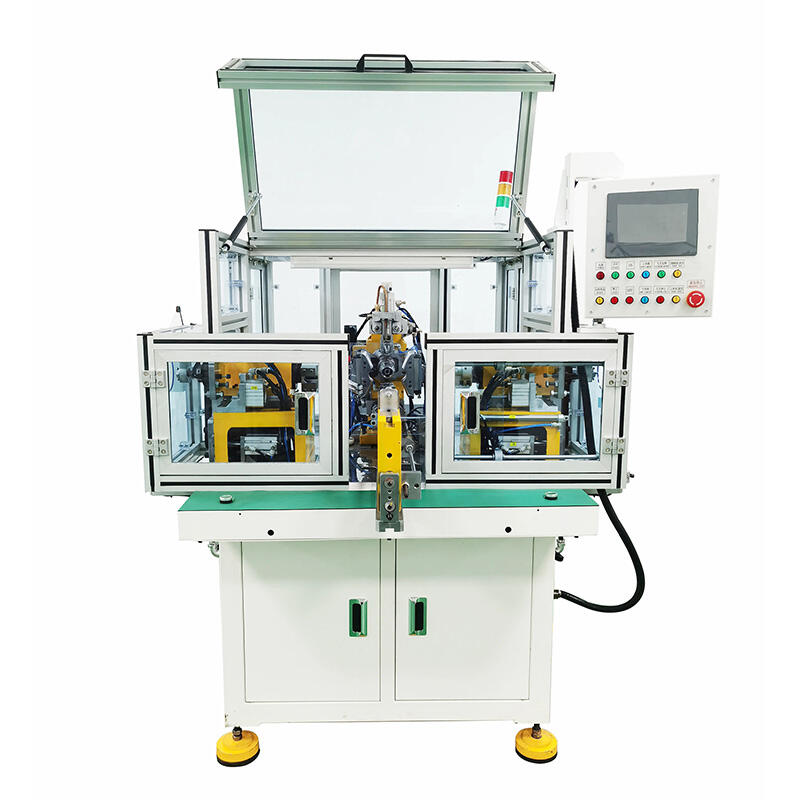
Modern industrial operations across agriculture, inspection, and logistics sectors demand specialized motor systems that can withstand extreme conditions while delivering consistent performance. The foundation of these high-performance motors lies in precision-engineered components, particularly casting parts for automotive machinery agriculture industrial applications. These critical components must meet stringent requirements for durability, precision, and operational efficiency to support mission-critical functions across diverse operational environments.
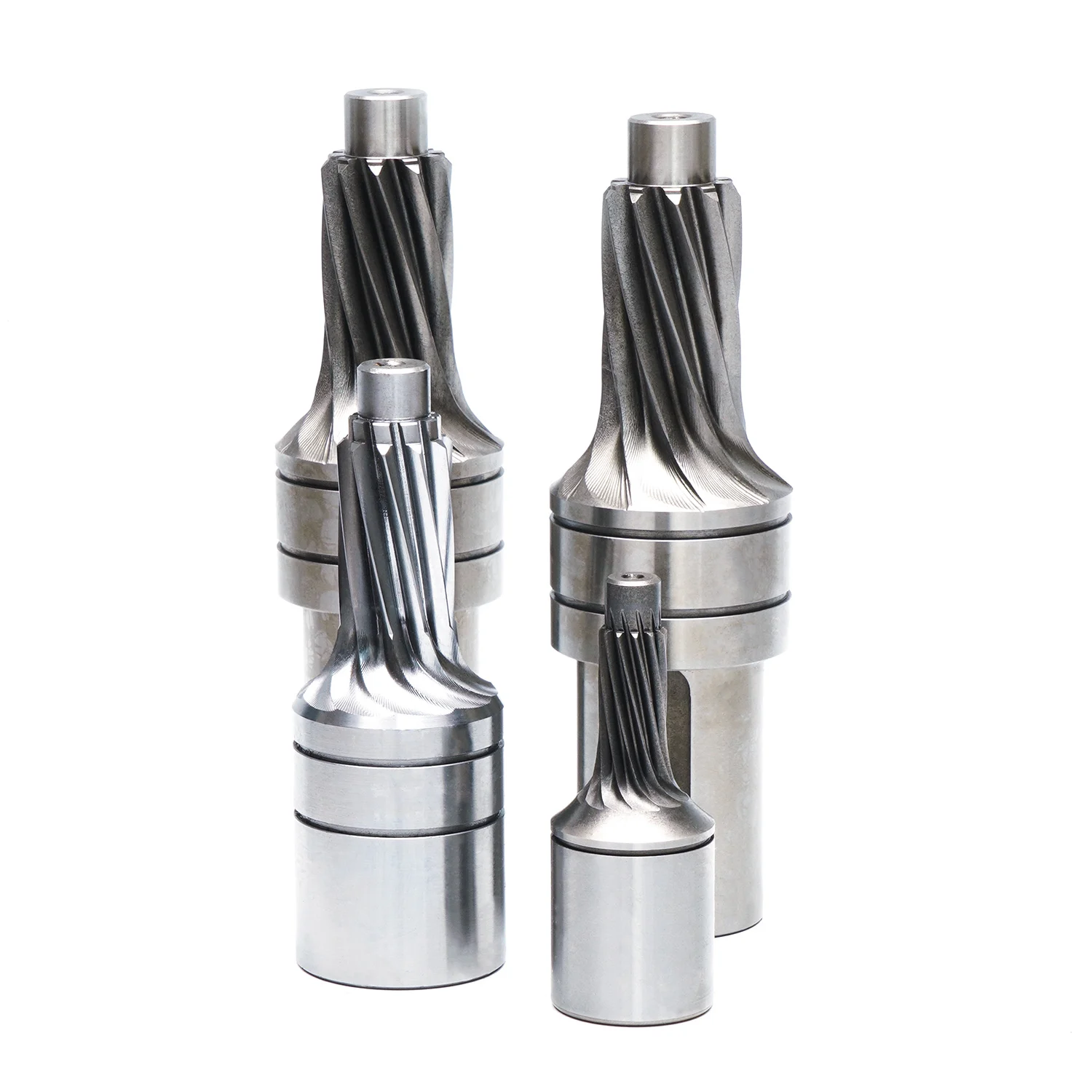
The complexity of modern industrial motor systems requires sophisticated manufacturing approaches that can produce components capable of handling varied load conditions, environmental stresses, and operational demands. From agricultural harvesters operating in dusty field conditions to precision inspection equipment requiring micro-level accuracy, each application presents unique challenges that must be addressed through careful component selection and engineering.
Agricultural Motor Requirements and Component Specifications
Heavy-Duty Performance Standards
Agricultural machinery operates under some of the most demanding conditions in industrial applications. Tractors, harvesters, and irrigation systems require motor components that can function reliably in environments characterized by dust, moisture, temperature fluctuations, and continuous vibration. The casting parts for automotive machinery agriculture industrial applications used in these systems must demonstrate exceptional resistance to wear and environmental degradation while maintaining precise operational tolerances.
The material composition of agricultural motor components requires careful consideration of factors such as corrosion resistance, thermal expansion characteristics, and fatigue strength. Modern agricultural operations often run equipment for extended periods during critical seasonal windows, making component reliability absolutely essential for operational success and economic viability.
Precision Requirements for Agricultural Applications
Modern precision agriculture relies heavily on sophisticated motor systems that control everything from seed placement to fertilizer distribution. These applications require casting parts for automotive machinery agriculture industrial systems that can maintain accuracy within tight tolerances while operating under variable load conditions. The manufacturing processes used to create these components must ensure consistent quality and dimensional accuracy across production runs.
Temperature management becomes particularly critical in agricultural applications where motors may operate in direct sunlight for extended periods. Component design must account for thermal expansion and contraction cycles while maintaining structural integrity and operational precision throughout the equipment's service life.
Inspection System Motor Components
Ultra-Precision Manufacturing Requirements
Inspection systems used in quality control and manufacturing processes demand motor components with exceptional precision characteristics. These applications often require positioning accuracy measured in microns, creating stringent requirements for the casting parts for automotive machinery agriculture industrial components used in motor assemblies. Manufacturing tolerances for inspection system components typically exceed those required for general industrial applications by several orders of magnitude.
The surface finish quality of inspection system motor components directly impacts operational performance and measurement accuracy. Advanced manufacturing techniques including precision machining and specialized finishing processes ensure that components meet the exacting standards required for high-precision inspection applications.
Vibration and Stability Control
Inspection systems require motor components that minimize vibration transmission and maintain exceptional stability during operation. The design and manufacturing of casting parts for automotive machinery agriculture industrial applications for inspection systems must consider dynamic balancing, material damping characteristics, and structural resonance frequencies to ensure optimal performance in precision measurement environments.
Advanced material selection and manufacturing processes help create components that provide the stability and precision required for modern inspection systems. These components must maintain their performance characteristics over extended operational periods while resisting wear and environmental factors that could compromise measurement accuracy.
Logistics Motor System Specifications
High-Volume Operation Requirements
Logistics operations, including conveyor systems, automated sorting equipment, and material handling machinery, require motor components designed for continuous operation under varying load conditions. The casting parts for automotive machinery agriculture industrial applications used in logistics systems must demonstrate exceptional durability and reliability to minimize downtime in high-throughput operations.
Energy efficiency considerations play a crucial role in logistics motor component design, as these systems often operate continuously throughout operational shifts. Component optimization for reduced friction, improved heat dissipation, and enhanced electrical efficiency directly impacts operational costs and system performance in logistics applications.
Adaptability and Maintenance Considerations
Modern logistics operations require motor systems that can adapt to changing operational requirements while maintaining consistent performance standards. The casting parts for automotive machinery agriculture industrial components used in these systems must support efficient maintenance procedures and component replacement to minimize operational disruptions.
Standardization of component interfaces and mounting systems enables logistics operators to maintain equipment efficiently while ensuring compatibility across different system configurations. This approach reduces inventory requirements and simplifies maintenance procedures for complex logistics installations.
Manufacturing Process Optimization
Advanced Casting Techniques
The production of high-quality motor components requires sophisticated casting processes that can achieve the precision and material properties demanded by modern industrial applications. Advanced techniques including investment casting, die casting, and precision sand casting enable manufacturers to produce casting parts for automotive machinery agriculture industrial applications with exceptional dimensional accuracy and material consistency.
Process control systems monitor critical parameters throughout the casting process to ensure consistent quality and performance characteristics. These systems track variables such as temperature profiles, cooling rates, and material composition to optimize component properties for specific application requirements.
Quality Assurance and Testing Protocols
Comprehensive quality assurance programs ensure that casting parts for automotive machinery agriculture industrial applications meet or exceed specified performance requirements. Testing protocols include dimensional verification, material property analysis, and performance validation under simulated operational conditions to confirm component suitability for intended applications.
Non-destructive testing methods including ultrasonic inspection, magnetic particle testing, and radiographic examination verify internal component integrity without compromising component usability. These testing approaches ensure that components meet quality standards while maintaining production efficiency and cost effectiveness.
Material Selection and Engineering Considerations
Alloy Optimization for Specific Applications
The selection of appropriate materials for casting parts for automotive machinery agriculture industrial applications requires careful analysis of operational requirements, environmental conditions, and performance expectations. Different applications may require materials optimized for specific characteristics such as corrosion resistance, thermal stability, or magnetic properties.
Advanced alloy compositions enable manufacturers to tailor material properties to meet specific application requirements while maintaining cost effectiveness and manufacturing efficiency. These specialized materials provide enhanced performance characteristics compared to standard alloy compositions, enabling superior component performance in demanding applications.
Environmental Resistance and Durability
Components designed for agricultural, inspection, and logistics applications must demonstrate exceptional resistance to environmental factors that could compromise performance or operational life. The casting parts for automotive machinery agriculture industrial systems must withstand exposure to chemicals, temperature extremes, humidity variations, and mechanical stress while maintaining operational integrity.
Surface treatment and coating technologies provide additional protection against environmental degradation while enhancing component performance characteristics. These treatments can improve corrosion resistance, reduce friction, and enhance wear resistance to extend component service life in challenging operational environments.
Future Trends and Technology Development
Advanced Manufacturing Integration
The integration of advanced manufacturing technologies including additive manufacturing, automated machining, and intelligent process control systems is transforming the production of casting parts for automotive machinery agriculture industrial applications. These technologies enable greater design flexibility, improved quality consistency, and enhanced customization capabilities for specialized applications.
Digital manufacturing approaches including computer-aided design optimization and simulation-based process development enable manufacturers to optimize component designs and manufacturing processes before physical production begins. This approach reduces development time and costs while improving final component performance and quality.
Smart Component Integration
The development of smart motor components with integrated sensing capabilities represents a significant advancement in industrial motor technology. These casting parts for automotive machinery agriculture industrial applications can provide real-time performance monitoring, predictive maintenance capabilities, and operational optimization features that enhance overall system performance and reliability.
Internet of Things integration enables remote monitoring and control of motor systems, providing operators with detailed performance data and maintenance scheduling information. This connectivity enhances operational efficiency while reducing maintenance costs and system downtime through predictive maintenance approaches.
FAQ
What makes casting parts suitable for different industrial motor applications
Casting parts for automotive machinery agriculture industrial applications are manufactured using specialized processes and materials that provide the strength, precision, and durability required for demanding industrial motor applications. The casting process allows for complex geometries and optimized material distribution while maintaining cost effectiveness for high-volume production requirements.
How do environmental conditions affect motor component selection
Environmental factors such as temperature extremes, moisture, dust, and chemical exposure significantly influence material selection and component design for casting parts for automotive machinery agriculture industrial systems. Components must be engineered to withstand specific environmental challenges while maintaining performance characteristics throughout their operational life.
What quality standards apply to industrial motor components
Industrial motor components must meet various industry standards including ISO quality management requirements, material specifications, and application-specific performance standards. The casting parts for automotive machinery agriculture industrial applications undergo comprehensive testing and quality assurance procedures to ensure compliance with relevant standards and customer specifications.
How do maintenance requirements differ between application types
Maintenance requirements vary significantly between agricultural, inspection, and logistics applications due to different operational environments and performance demands. Components designed for casting parts for automotive machinery agriculture industrial applications must support efficient maintenance procedures while providing reliable performance throughout extended service intervals in their respective operational environments.