 EN
EN

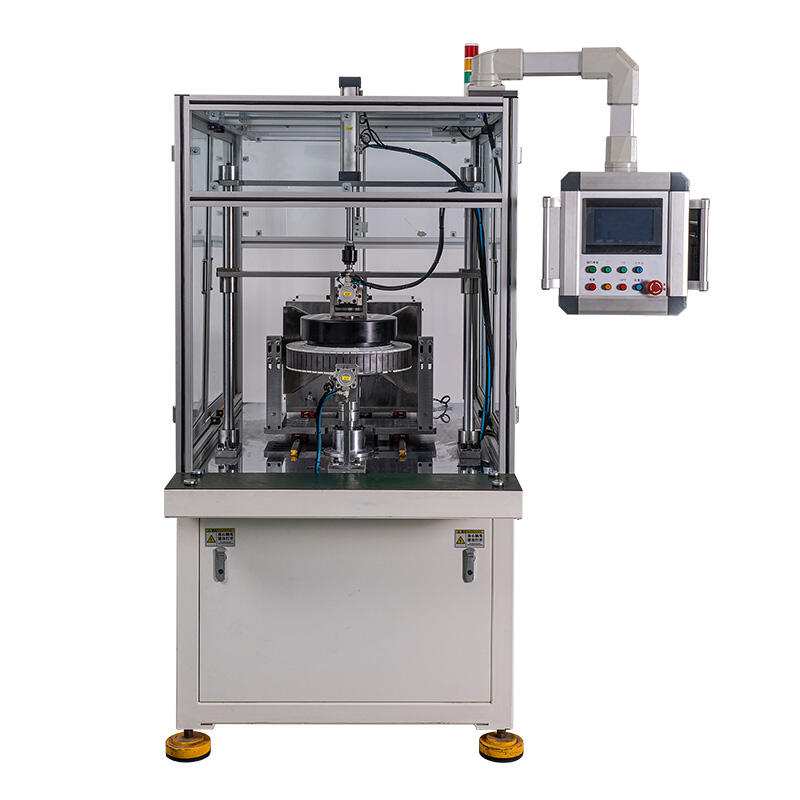
Drone motor overheating represents one of the most critical threats to flight safety and performance in unmanned aerial vehicles. When motors exceed their optimal operating temperatures, the consequences can range from reduced efficiency and power output to catastrophic in-flight failures that result in complete loss of the aircraft. Understanding the mechanisms behind thermal buildup and implementing effective cooling strategies has become essential for drone operators, manufacturers, and enthusiasts who demand reliable performance from their systems.
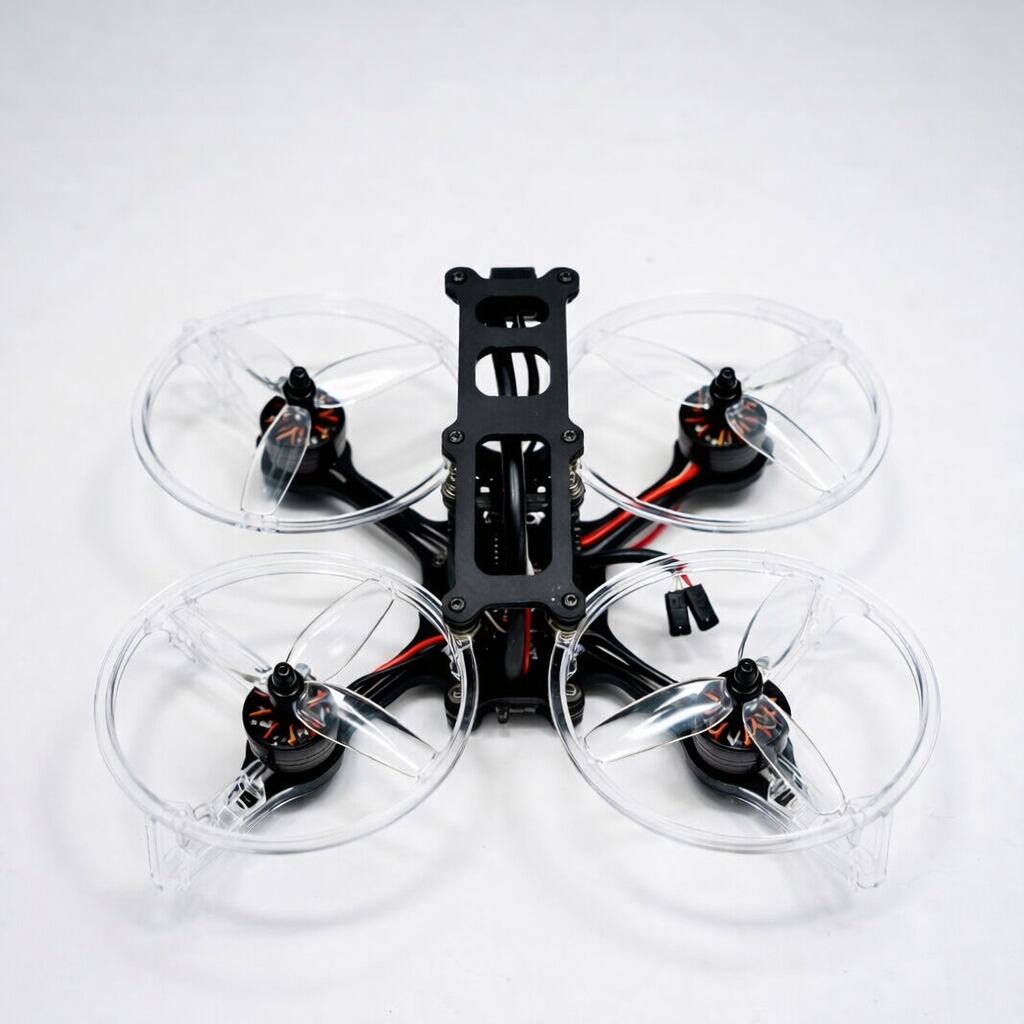
The physics of motor operation inherently generates heat as electrical energy converts to mechanical motion, with inefficiencies manifesting as thermal energy that must be dissipated to maintain optimal performance. Modern drone applications push motors to their limits through aggressive flight profiles, extended operation periods, and demanding payload requirements that exacerbate thermal management challenges. Professional racing drones, commercial inspection vehicles, and military surveillance platforms all face unique thermal stresses that require sophisticated cooling approaches tailored to their specific operational parameters.
Recognizing early warning signs of drone motor overheating allows operators to take preventive measures before critical failures occur. Temperature monitoring systems, performance degradation indicators, and visual inspection protocols form the foundation of comprehensive thermal management programs. The investment in proper cooling infrastructure and monitoring equipment pays dividends through extended motor life, improved flight reliability, and reduced maintenance costs that benefit both commercial operators and recreational users.
Understanding Thermal Dynamics in Drone Motor Systems
Heat Generation Mechanisms and Sources
Electrical resistance within motor windings creates the primary source of thermal energy in drone propulsion systems, with current flow through copper conductors generating heat proportional to the square of the current and the resistance of the windings. Higher current demands during aggressive maneuvers, altitude climbs, or heavy payload operations dramatically increase heat generation rates that can quickly overwhelm standard cooling capabilities. The motor controller or electronic speed controller also contributes significant thermal energy through switching losses and voltage regulation processes that compound the overall system thermal load.
Mechanical friction between moving components, particularly in brushed motor designs, adds another layer of heat generation that accumulates over time and contributes to drone motor overheating scenarios. Bearing friction, commutator contact resistance, and air resistance from rotating components all convert mechanical energy into unwanted thermal energy. Environmental factors such as ambient temperature, humidity, and altitude further influence heat generation rates and dissipation capabilities, creating complex thermal management challenges that vary with operational conditions.
Magnetic losses within the motor core materials, including eddy currents and hysteresis losses, represent often-overlooked sources of heat generation that become more significant at higher operating frequencies and power levels. These losses increase with motor speed and load, making them particularly problematic for high-performance applications that demand sustained high-power operation. Understanding these diverse heat sources enables engineers and operators to develop targeted cooling strategies that address the most significant thermal contributors in their specific applications.
Thermal Thresholds and Performance Impact
Motor manufacturers typically specify maximum operating temperatures ranging from 80°C to 120°C for continuous operation, with short-term excursions up to 150°C acceptable under specific conditions and time limitations. Exceeding these thermal thresholds triggers various failure modes including insulation breakdown, permanent magnet demagnetization, and structural damage to motor components. Drone motor overheating beyond safe limits can cause immediate performance degradation characterized by reduced torque output, decreased efficiency, and erratic speed control that compromises flight stability.
Temperature coefficient effects alter motor electrical characteristics as heat builds up, changing resistance values, magnetic field strengths, and timing parameters in ways that degrade overall system performance. Increased winding resistance reduces available torque while requiring higher input currents that generate additional heat, creating a destructive feedback loop that accelerates thermal runaway conditions. Electronic speed controllers become less efficient at elevated temperatures, contributing to system-wide performance degradation that affects flight endurance and maneuverability.
Long-term exposure to elevated temperatures accelerates aging processes in motor materials, reducing operational life and increasing maintenance requirements even when immediate failures do not occur. Insulation materials break down over time when subjected to thermal stress, leading to progressive deterioration that eventually results in motor replacement needs. Monitoring and controlling thermal exposure throughout the motor's operational life extends service intervals and maintains consistent performance characteristics that operators depend upon for reliable mission execution.
Active Cooling System Design and Implementation
Forced Air Circulation Methods
Ducted fan systems provide one of the most effective approaches to active cooling for drone motors, utilizing dedicated blowers or repurposed propeller airflow to create directed air streams across motor surfaces. Strategic placement of intake and exhaust ports optimizes airflow patterns to maximize heat transfer from critical components while minimizing power consumption and weight penalties. Computational fluid dynamics modeling helps engineers design optimal duct geometries that balance cooling effectiveness with aerodynamic considerations important for flight performance.
Variable speed cooling fans controlled by temperature sensors enable adaptive thermal management that adjusts cooling intensity based on real-time motor temperatures and operating conditions. Smart cooling systems can anticipate thermal loads based on flight profile data, pre-cooling motors before high-demand maneuvers to prevent drone motor overheating during critical mission phases. Integration with flight control systems allows coordinated thermal and performance management that optimizes both cooling effectiveness and overall system efficiency.
Ram air cooling systems leverage forward flight velocity to force ambient air through motor cooling passages, providing effective thermal management during cruise operations without additional power consumption. Careful design of air inlet and outlet configurations maximizes cooling effectiveness while minimizing drag penalties that would otherwise compromise flight efficiency. These systems work particularly well for fixed-wing drones and high-speed applications where consistent forward airflow is available throughout the operational profile.
Liquid Cooling Integration Strategies
Closed-loop liquid cooling systems offer superior heat transfer capabilities compared to air cooling, particularly for high-power applications where conventional cooling methods prove inadequate. Miniature pumps circulate coolant through motor jacket passages or direct contact cooling plates, transferring heat to remote radiators where larger surface areas and dedicated fans provide efficient heat dissipation. The added complexity and weight of liquid cooling systems must be justified by significant performance improvements or operational requirements that cannot be met through air cooling alone.
Immersion cooling represents an advanced approach where motors operate partially or completely submerged in dielectric fluids that provide direct thermal contact with all motor surfaces. Specialized motor designs accommodate fluid circulation while maintaining electrical isolation and mechanical integrity under various operational stresses. This approach offers exceptional cooling capacity for extreme applications but requires significant design modifications and careful fluid management to prevent contamination or leakage issues.
Hybrid cooling systems combine liquid and air cooling elements to optimize thermal management across different operational phases, using liquid cooling for high-power operations and air cooling for sustained low-power flight modes. Thermostatic controls automatically switch between cooling modes based on thermal load requirements, maximizing efficiency while providing adequate thermal protection under all operating conditions. These systems require sophisticated control algorithms but offer the flexibility needed for diverse mission profiles that span wide ranges of power requirements and environmental conditions.
Passive Thermal Management Techniques
Heat Sink and Thermal Interface Optimization
Aluminum and copper heat sinks attached to motor housings provide effective passive cooling through conductive and convective heat transfer mechanisms that require no additional power consumption or complex control systems. Fin geometry optimization maximizes surface area while considering weight constraints and airflow characteristics specific to drone applications. Advanced manufacturing techniques such as vapor chamber technology and heat pipe integration create highly effective thermal pathways that move heat away from critical components with minimal thermal resistance.
Thermal interface materials between motors and heat sinks eliminate air gaps that create thermal barriers, ensuring efficient heat transfer from motor housings to cooling surfaces. High-performance thermal compounds, phase-change materials, and thermally conductive pads each offer specific advantages for different applications and maintenance requirements. Proper application techniques and periodic replacement of thermal interface materials maintain cooling effectiveness throughout the motor's operational life, preventing gradual thermal performance degradation that can lead to drone motor overheating incidents.
Extended surface cooling through motor housing design modifications increases natural convection heat transfer by incorporating cooling fins, ribs, or textured surfaces directly into the motor structure. These integrated cooling features eliminate thermal interface resistances while providing weight-efficient thermal management that scales with motor size and power requirements. Advanced materials such as graphene-enhanced composites and metal matrix composites offer improved thermal conductivity for next-generation motor designs that push thermal management boundaries.
Materials and Design Modifications
Motor winding modifications using high-temperature insulation materials and improved conductor geometries reduce internal heat generation while increasing thermal tolerance for demanding applications. Litz wire constructions minimize high-frequency losses that contribute to thermal buildup in high-speed applications, while improved slot fill factors increase heat transfer surface area between windings and motor housings. These design modifications require careful electromagnetic analysis to ensure motor performance characteristics remain within acceptable parameters while improving thermal capabilities.
Thermal barrier coatings applied to motor internal surfaces reflect radiant heat and provide additional thermal protection for sensitive components during extreme operating conditions. Ceramic-based coatings offer excellent thermal insulation properties while maintaining electrical isolation and mechanical durability under operational stresses. Strategic application of thermal barriers can redirect heat flow patterns to optimize natural convection cooling while protecting critical components from localized temperature spikes.
Motor housing materials selection significantly impacts passive cooling capabilities, with aluminum alloys providing excellent thermal conductivity while maintaining acceptable strength-to-weight ratios for drone applications. Magnesium alloys offer weight savings for applications where thermal requirements are less stringent, while carbon fiber composites with embedded thermal management features provide advanced solutions for specialized applications. The selection process must balance thermal performance, mechanical requirements, manufacturing costs, and weight constraints specific to each application's operational requirements.
Temperature Monitoring and Control Systems
Sensor Integration and Placement Strategies
Thermocouple and thermistor sensors embedded within motor windings provide direct temperature measurements of the hottest motor components, enabling precise thermal monitoring that prevents drone motor overheating before damage occurs. Strategic sensor placement at multiple locations within the motor assembly creates temperature profiles that reveal thermal gradients and hot spots not visible through single-point monitoring. Redundant sensor systems improve reliability and enable fault detection when individual sensors fail or provide erroneous readings during critical operations.
Infrared temperature sensors offer non-contact monitoring solutions that eliminate the need for physical sensor integration while providing rapid response times suitable for real-time thermal management. These sensors can monitor multiple motors simultaneously through scanning systems or dedicated sensor arrays that track thermal patterns across entire propulsion systems. Advanced infrared systems incorporate predictive algorithms that anticipate thermal trends and trigger preventive cooling measures before critical temperatures are reached.
Wireless sensor networks enable comprehensive thermal monitoring across distributed motor systems without the weight and complexity penalties associated with extensive wiring harnesses. Battery-powered sensor nodes communicate thermal data to central control systems through low-power radio protocols, enabling flexible sensor placement and easy system expansion. Data logging capabilities allow operators to analyze thermal patterns over extended periods, identifying trends that indicate developing problems or opportunities for thermal management optimization.
Automated Response and Control Algorithms
Proportional-integral-derivative control systems adjust cooling system operation based on real-time temperature feedback, maintaining optimal motor temperatures while minimizing energy consumption and component wear. Advanced control algorithms incorporate thermal modeling and predictive elements that anticipate cooling needs based on flight profile data and environmental conditions. Machine learning approaches can optimize control parameters over time, adapting to changing operational requirements and component aging effects that alter thermal characteristics.
Emergency thermal protection protocols automatically reduce motor power output or initiate emergency landing procedures when temperatures approach critical thresholds despite active cooling efforts. These safety systems provide multiple layers of protection including graduated power reductions, cooling system activation, and operator alerts that enable appropriate responses to thermal emergencies. Integration with flight control systems enables coordinated responses that maintain flight safety while addressing thermal management needs during critical mission phases.
Adaptive thermal management systems learn from operational patterns and environmental conditions to optimize cooling strategies for specific applications and operating environments. These systems can pre-cool motors before high-demand maneuvers, adjust cooling intensity based on predicted flight profiles, and modify operational parameters to maintain thermal balance throughout mission execution. The result is improved reliability, extended motor life, and enhanced operational efficiency that benefits both performance and cost-effectiveness of drone operations.
Environmental Factors and Operational Considerations
Altitude and Atmospheric Effects
High-altitude operations significantly reduce air density and convective cooling effectiveness, requiring modified thermal management strategies to prevent drone motor overheating in reduced atmospheric conditions. Lower air pressure decreases heat transfer coefficients for both forced and natural convection cooling, necessitating increased cooling system capacity or reduced power operation to maintain safe operating temperatures. Altitude compensation algorithms can automatically adjust cooling system operation and power limits based on atmospheric pressure measurements and thermal response characteristics.
Temperature variations with altitude create additional thermal management challenges as ambient temperatures can range from extremely hot at ground level to freezing conditions at operational altitudes. Thermal shock from rapid altitude changes can stress motor components and cooling systems, requiring robust designs that accommodate wide temperature ranges and rapid thermal transitions. Pre-flight thermal conditioning and gradual altitude changes help minimize thermal stresses that could lead to component failures or performance degradation.
Humidity effects on motor cooling vary with atmospheric conditions and can impact both heat transfer effectiveness and electrical system reliability. High humidity reduces cooling effectiveness while increasing risks of condensation and electrical faults within motor systems. Proper sealing and moisture management become critical components of thermal management systems operating in humid environments, requiring careful balance between cooling airflow access and protection from moisture ingress.
Mission Profile Impact on Thermal Loading
Extended hovering operations create sustained high thermal loads without the benefit of forward flight cooling, making effective thermal management particularly critical for rotorcraft applications and inspection missions. Stationary operations eliminate ram air cooling effects while maintaining high power requirements that can quickly lead to thermal buildup without adequate active cooling systems. Mission planning must account for thermal limitations and include cooling periods or power cycling to prevent overheating during extended stationary operations.
High-speed flight profiles generate significant aerodynamic heating in addition to motor thermal loads, creating complex thermal management requirements that must address both propulsion and airframe heating effects. Rapid maneuvers and aggressive flight profiles can create thermal transients that challenge cooling system response capabilities, requiring predictive thermal management that anticipates thermal loads before they occur. drone motor overheating prevention during racing applications demands sophisticated cooling solutions that maintain performance while protecting critical components.
Payload variations significantly impact motor thermal loading as increased weight requires higher power output and generates additional heat that cooling systems must accommodate. Variable payload operations require adaptive thermal management that adjusts cooling capacity based on actual thermal loads rather than fixed cooling system operation. Thermal management systems must account for center-of-gravity changes and aerodynamic modifications that payloads introduce, ensuring adequate cooling under all operational configurations and weight conditions.
Maintenance and Preventive Care Protocols
Regular Inspection and Cleaning Procedures
Systematic visual inspections of motor cooling systems identify accumulated debris, damaged components, and wear indicators that could compromise thermal management effectiveness over time. Cleaning protocols remove dust, dirt, and other contaminants from cooling surfaces, air passages, and sensor locations to maintain optimal heat transfer characteristics. Regular maintenance schedules based on operating hours, environmental exposure, and performance monitoring data ensure cooling systems remain effective throughout motor operational life.
Thermal imaging inspections during operation reveal thermal patterns and hot spots that indicate developing problems or cooling system inefficiencies not apparent through visual inspection alone. Baseline thermal profiles established during initial system commissioning provide comparison standards for identifying gradual performance degradation or sudden changes that require immediate attention. Documentation of thermal inspection results creates maintenance history records that support reliability analysis and predictive maintenance program development.
Cooling system component replacement schedules account for wear rates, environmental exposure, and performance degradation patterns specific to each application and operating environment. Proactive replacement of thermal interface materials, filter elements, and sensor components maintains system effectiveness while preventing unexpected failures that could lead to motor overheating incidents. Spare parts inventory management ensures critical cooling system components remain available for scheduled maintenance and emergency repairs.
Performance Trending and Predictive Analysis
Data logging systems that record motor temperatures, cooling system performance, and operational parameters over time enable trend analysis that identifies gradual performance degradation before critical failures occur. Statistical analysis of thermal data reveals patterns and correlations that support predictive maintenance decisions and thermal management system optimization. Advanced analytics incorporating machine learning algorithms can detect subtle changes in thermal behavior that indicate developing problems requiring preventive action.
Benchmark testing protocols establish baseline thermal performance characteristics for new motors and cooling systems, providing reference standards for ongoing performance monitoring and maintenance decision support. Standardized test procedures ensure consistent measurement conditions and reliable comparison data across different time periods and operational configurations. Regular benchmark testing validates thermal management system effectiveness and identifies optimization opportunities that improve overall system reliability and efficiency.
Reliability engineering approaches incorporate thermal stress analysis and failure mode identification to develop maintenance strategies that address the most significant risks to motor thermal management systems. Statistical reliability models based on operational data and component testing results predict maintenance requirements and component replacement schedules that optimize system availability while minimizing maintenance costs. Integration of thermal management reliability with overall system reliability analysis ensures balanced maintenance approaches that address all critical system components effectively.
FAQ
What are the most common signs that indicate drone motor overheating is occurring
The most obvious indicators of motor overheating include reduced power output during flight, unusual motor sounds such as grinding or irregular operation, and visible discoloration or heat damage to motor housings. Electronic speed controllers may exhibit erratic behavior, sudden power cutoffs, or error messages when thermal protection systems activate. Physical inspection after flight often reveals hot motor surfaces, burning smells, or damaged components such as melted wiring insulation. Performance monitoring systems will show elevated operating temperatures, reduced efficiency measurements, and longer recovery times between high-power operations when thermal management systems become overwhelmed.
How effective are passive cooling methods compared to active cooling systems for drone applications
Passive cooling methods such as heat sinks and improved motor housing designs provide reliable thermal management for moderate power applications without additional power consumption or system complexity. These approaches work well for recreational drones and applications with intermittent high-power requirements where natural cooling recovery time is available between demanding operations. However, active cooling systems become necessary for sustained high-power operations, extended flight times, or extreme environmental conditions where passive methods cannot provide adequate thermal management. The choice between passive and active cooling depends on specific power requirements, operational profiles, weight constraints, and reliability requirements for each application.
What maintenance intervals should be followed for drone motor cooling systems
Cooling system maintenance intervals depend on operating environment, flight frequency, and system complexity, but general guidelines recommend monthly visual inspections for recreational users and weekly inspections for commercial operations. High-use applications may require daily pre-flight cooling system checks including air passage cleaning, sensor verification, and thermal interface condition assessment. Component replacement schedules typically call for thermal interface material renewal every 6-12 months, cooling system filter replacement based on environmental exposure, and complete system overhaul annually for professional applications. Flight hour tracking provides more accurate maintenance scheduling, with typical intervals ranging from 25-100 flight hours depending on operational intensity and environmental conditions.
Can environmental temperature extremes permanently damage drone motor cooling systems
Extreme environmental temperatures can cause permanent damage to cooling system components through thermal expansion stress, material degradation, and seal failures that compromise long-term effectiveness. Repeated thermal cycling between extreme temperatures accelerates aging processes in electronic components, thermal interface materials, and mechanical sealing elements. Cold weather operations can cause coolant freezing in liquid cooling systems, while extreme heat exposure can degrade thermal sensor accuracy and damage cooling system control electronics. Proper system design with appropriate temperature ratings, thermal shock protection, and environmental sealing helps minimize permanent damage, but regular inspection and component replacement may be necessary for systems operating in severe environmental conditions.
Table of Contents
- Understanding Thermal Dynamics in Drone Motor Systems
- Active Cooling System Design and Implementation
- Passive Thermal Management Techniques
- Temperature Monitoring and Control Systems
- Environmental Factors and Operational Considerations
- Maintenance and Preventive Care Protocols
-
FAQ
- What are the most common signs that indicate drone motor overheating is occurring
- How effective are passive cooling methods compared to active cooling systems for drone applications
- What maintenance intervals should be followed for drone motor cooling systems
- Can environmental temperature extremes permanently damage drone motor cooling systems