 EN
EN
Modern drone operations demand exceptional reliability from every component, with the drone motor shaft serving as a critical foundation for flight performance and longevity. As unmanned aerial vehicles become increasingly sophisticated and mission-critical across industries ranging from agriculture to surveillance, understanding the intricacies of motor shaft maintenance has evolved from optional best practice to operational necessity. The drone motor shaft experiences tremendous stress during operation, enduring high-speed rotations, variable loads, and environmental challenges that can significantly impact overall system performance.
Professional drone operators and maintenance technicians recognize that proactive shaft care directly correlates with extended service intervals, reduced operational costs, and enhanced flight safety margins. This comprehensive approach to drone motor shaft maintenance encompasses predictive monitoring techniques, systematic inspection protocols, and strategic replacement planning that maximizes return on investment while minimizing unexpected downtime. The economic impact of premature shaft failure extends beyond immediate replacement costs, encompassing lost operational time, potential mission failures, and cascading effects on dependent systems and schedules.
Understanding Drone Motor Shaft Fundamentals
Core Design Principles and Material Science
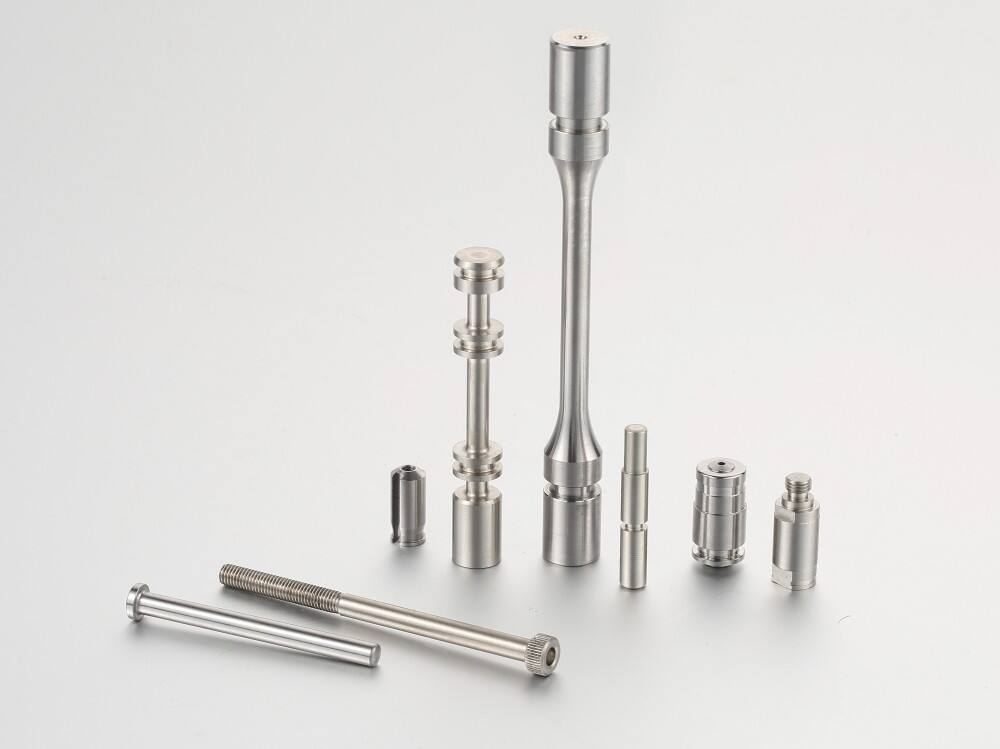
The drone motor shaft represents a precision-engineered component designed to transmit rotational force while maintaining dimensional stability under extreme operating conditions. Modern shaft designs incorporate advanced metallurgy, with materials selection based on specific application requirements including load capacity, environmental resistance, and weight optimization. High-grade steel alloys, titanium composites, and specialized carbon fiber constructions each offer distinct advantages depending on drone classification and operational parameters.
Manufacturing precision plays a crucial role in drone motor shaft performance, with tolerances measured in micrometers affecting everything from vibration characteristics to bearing life. Advanced CNC machining processes ensure consistent surface finishes and dimensional accuracy, while specialized heat treatment procedures optimize material properties for specific load profiles. The integration of these manufacturing techniques results in shafts capable of withstanding millions of rotation cycles while maintaining critical performance specifications.
Load Distribution and Stress Analysis
Understanding how forces distribute across the drone motor shaft during various flight phases enables more accurate prediction of wear patterns and potential failure modes. Dynamic loading conditions vary significantly between hover operations, forward flight, and aggressive maneuvering, with each scenario generating unique stress signatures that impact shaft longevity. Computational fluid dynamics modeling combined with finite element analysis provides insights into how aerodynamic loads translate into mechanical stress at the shaft level.
The relationship between propeller configuration and shaft loading demonstrates the interconnected nature of drone system design. Larger propellers generate greater gyroscopic effects and bending moments, while high-speed configurations create increased centrifugal forces that must be accommodated by shaft design parameters. These loading considerations directly influence maintenance scheduling and inspection frequency requirements for optimal system reliability.
Predictive Maintenance Strategies
Vibration Analysis and Monitoring Systems
Advanced vibration monitoring represents the cornerstone of effective drone motor shaft maintenance programs, providing real-time insights into component condition and performance degradation trends. Accelerometer-based sensors integrated into motor housings can detect microscopic changes in vibration signatures that indicate developing issues long before traditional inspection methods would identify problems. These systems analyze frequency spectra to identify specific fault patterns associated with shaft imbalance, bearing wear, or coupling misalignment.
Machine learning algorithms enhance vibration analysis capabilities by establishing baseline performance profiles and automatically flagging deviations that warrant investigation. Historical data collection enables the development of prognostic models that predict remaining useful life based on current operating conditions and usage patterns. This predictive approach allows maintenance teams to schedule interventions during planned downtime rather than responding to unexpected failures that disrupt operations.
Thermal Monitoring and Heat Signature Analysis
Thermal analysis provides complementary insights into drone motor shaft condition by monitoring heat generation patterns that often precede mechanical failures. Infrared imaging systems can detect localized heating associated with increased friction from worn bearings or shaft misalignment. Temperature trend analysis reveals gradual degradation processes that may not be apparent through vibration monitoring alone, particularly in cases where lubrication breakdown occurs gradually over extended periods.
Integration of thermal sensors into drone motor assemblies enables continuous monitoring during flight operations, providing operators with immediate feedback on component condition. Automated temperature logging systems create comprehensive databases that support statistical analysis of failure patterns and optimal replacement intervals. This thermal data proves particularly valuable for high-utilization aircraft where traditional calendar-based maintenance schedules may not align with actual component wear rates.
Maintenance Protocols and Best Practices
Inspection Techniques and Documentation
Systematic inspection protocols form the foundation of effective drone motor shaft maintenance, requiring standardized procedures that ensure consistent evaluation across different technicians and facilities. Visual inspection techniques include magnified examination of shaft surfaces for signs of corrosion, scoring, or dimensional changes that indicate developing problems. Specialized tools such as shaft runout gauges and surface finish meters provide quantitative measurements that supplement visual assessments with objective data.
Documentation standards ensure that inspection findings contribute to long-term reliability analysis and warranty claim support. Digital maintenance records enable trend analysis across fleet operations, identifying patterns that might indicate design limitations or operational factors affecting drone motor shaft longevity. Photographic documentation of wear patterns provides valuable reference material for training programs and technical support activities.
Lubrication Management and Contamination Control
Proper lubrication management significantly impacts drone motor shaft service life, requiring careful selection of lubricant types and application methods suited to specific operating environments. High-speed applications demand lubricants with superior thermal stability and low-temperature fluidity, while outdoor operations necessitate protection against moisture ingress and contamination. Synthetic lubricants often provide superior performance compared to conventional options, particularly in temperature-extreme environments.
Contamination control measures protect lubricant integrity and prevent abrasive particles from accelerating shaft wear. Sealed bearing systems and positive pressure ventilation help exclude environmental contaminants, while filtration systems remove particles that inevitably enter the lubrication circuit. Regular lubricant analysis provides early warning of contamination issues and enables proactive intervention before significant damage occurs.
Environmental Factors and Protection Strategies
Corrosion Prevention and Material Protection
Environmental exposure represents a primary threat to drone motor shaft longevity, particularly in marine, industrial, or agricultural applications where corrosive elements are prevalent. Protective coating systems including anodization, plating, and specialized polymeric treatments provide barriers against corrosive attack while maintaining dimensional precision. Selection of appropriate protection methods depends on specific environmental challenges and operational requirements.
Galvanic corrosion prevention requires careful consideration of material compatibility when different metals are used in proximity within motor assemblies. Insulating barriers and sacrificial anodes provide protection against electrochemical reactions that can rapidly degrade shaft surfaces. Regular inspection and maintenance of protective systems ensures continued effectiveness throughout the component service life.
Temperature Cycling and Thermal Stress Management
Thermal cycling effects on drone motor shaft integrity become particularly significant in applications involving rapid temperature transitions or extreme operating environments. Differential thermal expansion between shaft materials and surrounding components can generate stress concentrations that initiate fatigue failures. Design considerations including material selection and clearance specifications help accommodate thermal effects without compromising performance.
Heat dissipation strategies protect shaft integrity during high-power operations by managing thermal buildup that can accelerate material degradation processes. Cooling system design, including airflow optimization and heat sink integration, maintains acceptable operating temperatures under demanding conditions. Thermal barrier coatings and specialized alloys provide additional protection in extreme temperature applications.
Advanced Diagnostic Technologies
Ultrasonic Testing and Flaw Detection
Ultrasonic inspection techniques provide non-destructive evaluation capabilities that detect internal flaws and material degradation not visible through conventional inspection methods. High-frequency sound waves penetrate shaft materials to identify voids, inclusions, or crack initiation sites that could lead to catastrophic failure. Portable ultrasonic equipment enables field testing without component removal, reducing maintenance downtime while improving inspection effectiveness.
Advanced ultrasonic techniques including phased array systems and guided wave inspection provide enhanced resolution and coverage compared to traditional methods. These technologies enable comprehensive evaluation of complex shaft geometries and detect flaws in areas difficult to access through conventional inspection approaches. Integration with digital analysis systems provides automated flaw classification and trending capabilities that support predictive maintenance programs.
Magnetic Particle and Penetrant Testing
Magnetic particle inspection reveals surface and near-surface discontinuities in ferromagnetic drone motor shaft materials, providing sensitivity to crack detection that exceeds visual inspection capabilities. Fluorescent magnetic particles under ultraviolet illumination offer enhanced visibility of minute flaws that might otherwise escape detection. This technique proves particularly valuable for detecting fatigue cracks that typically initiate at surface stress concentrations.
Liquid penetrant testing complements magnetic particle inspection by detecting surface defects in both magnetic and non-magnetic materials. The capillary action of penetrant fluids reveals cracks, porosity, and other surface discontinuities that could propagate under operating loads. Color contrast and fluorescent penetrant systems provide different advantages depending on inspection environment and flaw size requirements.
Replacement Planning and Inventory Management
Life Cycle Cost Analysis
Effective drone motor shaft replacement planning requires comprehensive life cycle cost analysis that considers acquisition costs, maintenance expenses, and operational impact of component failures. Economic models incorporating reliability data enable optimization of replacement intervals that minimize total cost of ownership while maintaining acceptable risk levels. This analysis must account for varying operational conditions and usage patterns across different aircraft and mission profiles.
Cost-benefit analysis of different maintenance strategies helps determine optimal approaches for specific operational scenarios. Condition-based maintenance typically provides superior economic performance compared to calendar-based approaches, particularly for high-utilization aircraft where component wear rates exceed standard replacement intervals. However, critical mission applications may justify more conservative replacement schedules to minimize failure risk.
Supply Chain Considerations and Strategic Sourcing
Supply chain management for drone motor shaft components requires balancing inventory investment against availability requirements and lead time considerations. Strategic partnerships with qualified suppliers ensure access to replacement components while maintaining quality standards and technical support capabilities. Vendor qualification programs verify manufacturing capabilities, quality systems, and long-term viability of supply sources.
Inventory optimization strategies consider component shelf life, storage requirements, and demand variability to minimize carrying costs while ensuring availability when needed. Safety stock calculations must account for supply chain disruptions and unexpected demand spikes that could affect operational readiness. Digital inventory management systems provide real-time visibility into stock levels and automated reordering capabilities that support just-in-time maintenance practices.
FAQ
How often should drone motor shafts be inspected for optimal performance
Inspection frequency depends on operational intensity and environmental conditions, but general guidelines recommend visual inspection after every 25-50 flight hours for commercial operations. High-stress applications such as aerobatic or payload transport operations may require more frequent inspection intervals. Advanced monitoring systems can extend inspection intervals by providing continuous condition assessment, while harsh environmental conditions may necessitate more frequent evaluation to detect corrosion or contamination effects early.
What are the most common signs of drone motor shaft wear or damage
Common indicators include increased vibration levels, unusual noise during operation, visible scoring or discoloration on shaft surfaces, and excessive play in bearing connections. Temperature increases during normal operation often signal developing problems, while changes in power consumption or motor efficiency may indicate shaft-related issues. Regular monitoring of these parameters enables early detection and intervention before catastrophic failure occurs.
Can damaged drone motor shafts be repaired or must they be replaced
Minor surface imperfections may be addressable through specialized repair techniques such as polishing or re-machining, but structural damage typically requires complete replacement. Repair feasibility depends on the extent and location of damage, with safety considerations often dictating replacement even when repair might be technically possible. Cost analysis should consider repair expenses against replacement costs, including potential reliability implications of repaired components.
How do environmental conditions affect drone motor shaft maintenance requirements
Environmental factors significantly impact maintenance schedules, with marine environments requiring enhanced corrosion protection and more frequent inspection intervals. Dusty conditions accelerate bearing wear and contaminate lubrication systems, while temperature extremes affect material properties and clearance requirements. Operations in agricultural applications involving chemical exposure or industrial environments with airborne contaminants necessitate specialized protection measures and adjusted maintenance protocols to ensure reliable operation.