 EN
EN
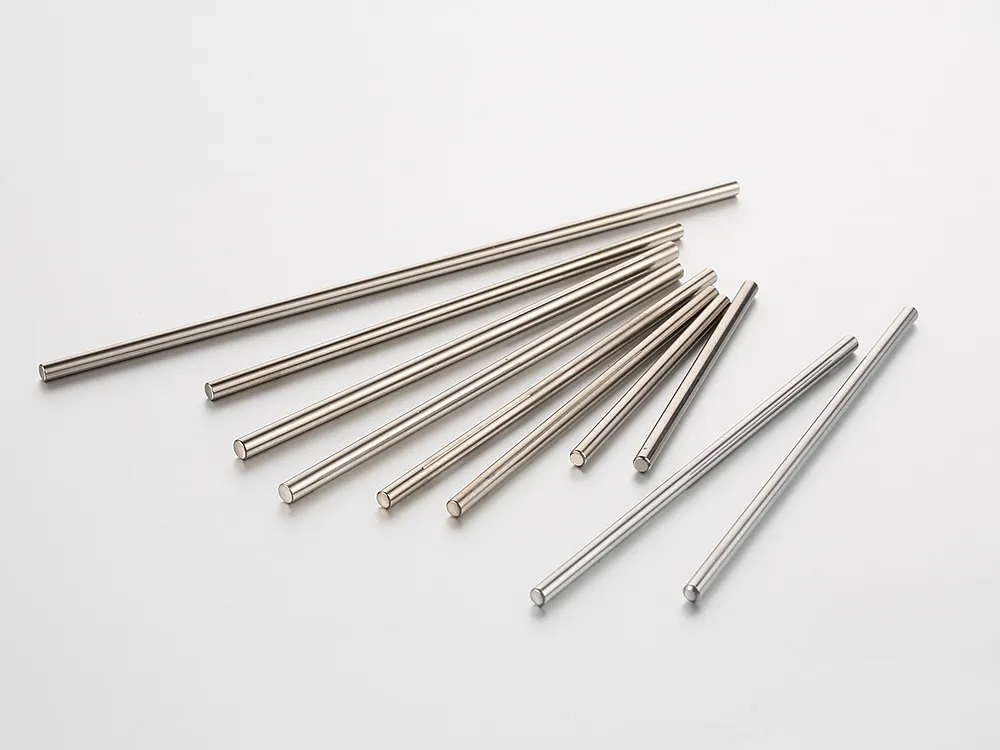
Motor shaft maintenance and repair represent critical aspects of industrial equipment management that every engineer must master. A properly functioning motor shaft ensures optimal power transmission, reduces operational downtime, and extends the overall lifespan of motorized systems across various applications. Understanding the fundamental principles of motor shaft diagnostics, repair techniques, and preventive maintenance strategies can significantly impact operational efficiency and cost management in industrial settings.
The complexity of modern motor shaft systems requires engineers to possess comprehensive knowledge of material properties, manufacturing tolerances, and operational stresses that affect shaft performance. From automotive applications to household appliances, power tools, and electrical equipment, motor shaft components must withstand varying loads, temperatures, and environmental conditions while maintaining precision alignment and rotational accuracy.
Identifying Common Motor Shaft Problems
Wear Patterns and Surface Damage
Surface wear on a motor shaft typically manifests through several distinct patterns that provide valuable diagnostic information. Uniform wear across the shaft diameter usually indicates proper alignment but excessive operational loads or inadequate lubrication. Localized wear patterns, conversely, suggest misalignment issues, bearing problems, or improper installation procedures that concentrate stress on specific shaft areas.
Engineers must carefully examine shaft surfaces for scoring, pitting, or corrosion damage that can compromise structural integrity. Microscopic surface analysis often reveals early-stage damage that conventional visual inspection might miss, allowing for proactive maintenance interventions before catastrophic failure occurs.
Dimensional Variations and Tolerance Issues
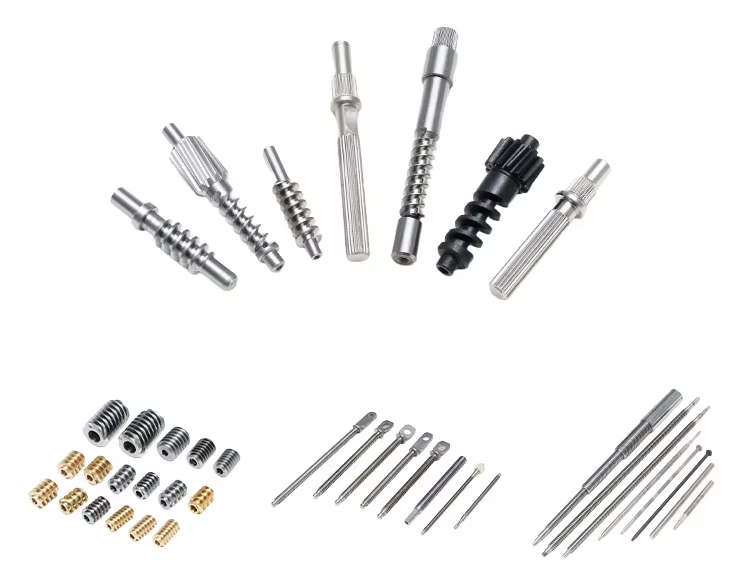
Precision measurement of motor shaft dimensions becomes essential when diagnosing performance issues or planning repair procedures. Shaft runout, diameter variations, and length discrepancies can all contribute to vibration, noise, and premature bearing failure in motorized systems.
Modern measurement techniques utilizing laser interferometry, coordinate measuring machines, and precision micrometers enable engineers to detect dimensional variations within micron-level tolerances. These measurements provide the foundation for determining whether shaft repair, reconditioning, or replacement represents the most cost-effective solution.
Advanced Diagnostic Techniques
Vibration Analysis and Dynamic Testing
Comprehensive vibration analysis serves as a powerful diagnostic tool for identifying motor shaft problems before they result in complete system failure. Frequency domain analysis can isolate specific vibration signatures associated with shaft imbalance, misalignment, or structural defects that affect rotational performance.
Dynamic testing procedures, including modal analysis and operational deflection shape measurements, provide insights into shaft behavior under various loading conditions. These advanced techniques enable engineers to optimize repair strategies and validate restoration effectiveness through quantitative performance metrics.
Non-Destructive Testing Methods
Magnetic particle inspection, ultrasonic testing, and eddy current analysis offer comprehensive evaluation capabilities for motor shaft condition assessment without compromising structural integrity. These non-destructive testing methods can detect internal flaws, stress concentrations, and material discontinuities that might not be visible through conventional inspection techniques.
Implementation of non-destructive testing protocols ensures thorough evaluation of critical shaft components while maintaining their serviceability for continued operation or repair procedures. Regular application of these techniques supports predictive maintenance programs and reduces unexpected equipment failures.
Repair Methodologies and Restoration Techniques
Mechanical Restoration Processes
Mechanical restoration of a damaged motor shaft often involves precision machining operations designed to restore original dimensional specifications and surface finish requirements. Turning, grinding, and polishing operations must be carefully controlled to maintain shaft balance and eliminate stress concentrations that could lead to future failure.
Specialized fixtures and tooling systems enable precise material removal while maintaining shaft straightness and concentricity. Advanced CNC machining centers equipped with in-process measurement systems provide the accuracy required for successful motor shaft restoration in critical applications.
Welding and Build-Up Procedures
Welding techniques for motor shaft repair require careful consideration of base material properties, heat input control, and post-weld heat treatment requirements. Submerged arc welding, gas tungsten arc welding, and specialized hardfacing processes can restore worn shaft surfaces while maintaining mechanical properties and dimensional accuracy.
Proper preheating, interpass temperature control, and post-weld stress relief procedures ensure optimal metallurgical properties in repaired shaft sections. Quality control measures, including weld penetration testing and hardness verification, validate the effectiveness of welding restoration techniques.
Material Selection and Replacement Considerations
Steel Grades and Alloy Selection
Selecting appropriate materials for motor shaft replacement requires comprehensive understanding of application-specific requirements, including load capacity, rotational speed, environmental exposure, and expected service life. Carbon steels, alloy steels, and stainless steel grades each offer distinct advantages for different operational conditions.
Heat treatment requirements for motor shaft materials must align with application demands and manufacturing capabilities. Proper selection of hardening, tempering, and surface treatment processes ensures optimal mechanical properties and resistance to wear, fatigue, and environmental degradation.
Surface Treatment and Coating Applications
Surface enhancement treatments, including nitriding, carburizing, and various coating systems, can significantly improve motor shaft performance and longevity. These treatments modify surface properties while maintaining core material characteristics, providing enhanced wear resistance and corrosion protection.
Selection criteria for surface treatments must consider compatibility with bearing systems, lubrication requirements, and environmental operating conditions. Proper application procedures and quality control measures ensure consistent coating performance and adhesion throughout the motor shaft service life.
Installation and Assembly Best Practices
Alignment and Fit Procedures
Proper installation of a repaired or replacement motor shaft requires meticulous attention to alignment tolerances and fit specifications. Shaft-to-bearing clearances, coupling alignment, and end play adjustments must be carefully controlled to ensure optimal system performance and longevity.
Specialized alignment tools, including laser alignment systems and precision dial indicators, enable accurate positioning and verification of motor shaft installation. Documentation of installation parameters provides valuable reference information for future maintenance activities and performance monitoring.
Lubrication and Sealing Systems
Lubrication system design and maintenance directly impact motor shaft performance and service life. Proper lubricant selection, application methods, and contamination control measures prevent premature wear and ensure reliable operation under specified operating conditions.
Sealing system integrity protects motor shaft components from environmental contamination while retaining lubricants within designated areas. Regular inspection and replacement of sealing elements maintains system effectiveness and prevents costly damage to precision shaft surfaces.
Preventive Maintenance Strategies
Condition Monitoring Programs
Implementing comprehensive condition monitoring programs enables early detection of motor shaft degradation and facilitates proactive maintenance planning. Vibration trending, temperature monitoring, and lubricant analysis provide quantitative indicators of shaft condition and performance trends over time.
Integration of condition monitoring data with computerized maintenance management systems supports optimized maintenance scheduling and resource allocation. Predictive maintenance approaches based on actual equipment condition rather than arbitrary time intervals maximize motor shaft reliability while minimizing operational costs.
Scheduled Inspection Protocols
Systematic inspection protocols ensure consistent evaluation of motor shaft condition and identification of potential problems before they compromise system performance. Visual inspection, dimensional verification, and performance testing provide comprehensive assessment capabilities for various shaft configurations and applications.
Documentation of inspection findings and trending analysis supports data-driven maintenance decisions and helps optimize inspection intervals based on actual equipment performance history. Regular protocol updates incorporate lessons learned and emerging diagnostic technologies.
Cost-Benefit Analysis of Repair Options
Economic Evaluation Criteria
Economic analysis of motor shaft repair versus replacement decisions requires consideration of multiple factors, including initial costs, expected service life, operational risks, and availability of repair services. Life cycle cost analysis provides a comprehensive framework for evaluating different maintenance strategies and their long-term financial implications.
Quantitative risk assessment methodologies help engineers evaluate the potential consequences of shaft failure and optimize maintenance investments accordingly. These analyses support informed decision-making and justify maintenance expenditures based on objective financial criteria.
Performance Impact Assessment
Performance impact evaluation examines how different repair approaches affect motor shaft efficiency, reliability, and overall system performance. Comparative analysis of repair quality, durability, and operational characteristics guides selection of optimal restoration techniques for specific applications.
Long-term performance monitoring validates repair effectiveness and provides feedback for continuous improvement of maintenance practices. This data supports refinement of repair specifications and helps optimize future maintenance strategies.
FAQ
How often should motor shaft inspection be performed
Motor shaft inspection frequency depends on operating conditions, application criticality, and manufacturer recommendations. Generally, visual inspections should occur during scheduled maintenance intervals, while comprehensive dimensional and condition assessments may be performed annually or based on operating hours. High-stress applications or critical systems may require more frequent monitoring to ensure reliable operation.
What are the most common causes of motor shaft failure
The most common causes of motor shaft failure include improper alignment, inadequate lubrication, excessive loading, bearing problems, and corrosion. Misalignment creates uneven stress distribution and premature wear, while poor lubrication leads to increased friction and heat generation. Understanding these failure modes enables engineers to implement targeted preventive measures and optimize maintenance practices.
Can a cracked motor shaft be safely repaired
Crack repair feasibility depends on crack location, size, orientation, and shaft application requirements. Minor surface cracks may be repairable through welding and machining procedures, while structural cracks typically require shaft replacement. Non-destructive testing and stress analysis help determine repair viability and ensure safe operation after restoration. Critical applications generally warrant replacement rather than repair to minimize risk.
What tools are essential for motor shaft diagnosis
Essential diagnostic tools include precision measuring instruments, vibration analyzers, alignment systems, and non-destructive testing equipment. Micrometers, dial indicators, and laser measurement systems provide dimensional verification capabilities, while vibration analysis equipment detects dynamic problems. Magnetic particle inspection and ultrasonic testing equipment enable detection of internal defects that affect shaft integrity and performance.