 EN
EN

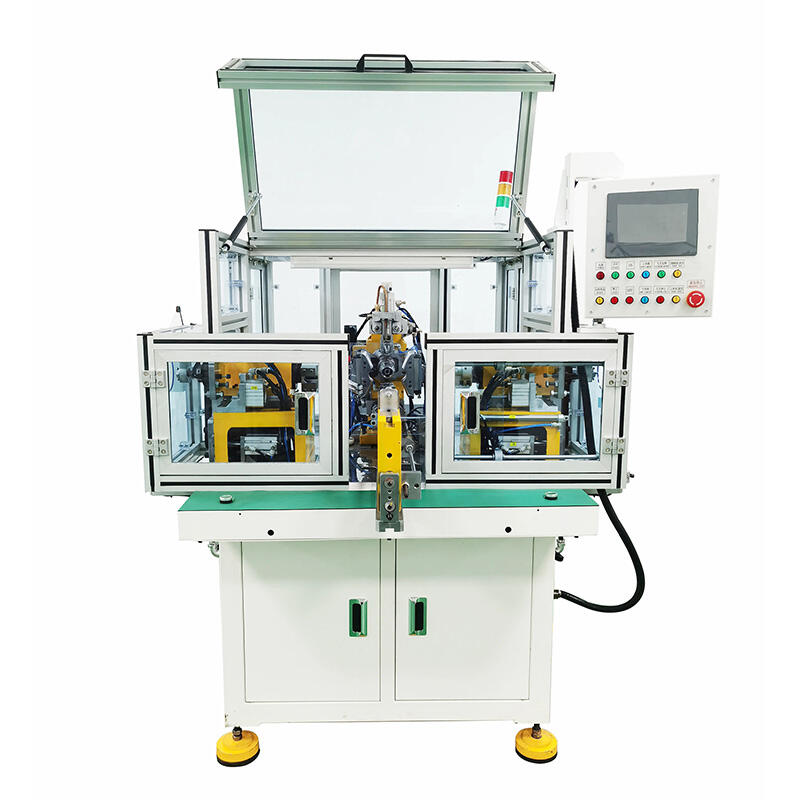
Essential Practices for Industrial Winding Equipment Care
Maintaining a rotor winding machine is crucial for ensuring optimal performance and longevity in electrical manufacturing operations. These sophisticated pieces of equipment represent significant investments for companies and play a vital role in motor and generator production. Understanding proper maintenance procedures not only extends equipment life but also prevents costly downtime and ensures consistent product quality.
Modern rotor winding machine systems incorporate advanced technology and precision components that require systematic care. Whether you're operating a small-scale facility or managing an extensive manufacturing plant, implementing a comprehensive maintenance strategy is essential for maximizing operational efficiency and protecting your investment.
Preventive Maintenance Fundamentals
Daily Inspection Protocols
Every successful maintenance program begins with thorough daily inspections of the rotor winding machine. Operators should check for unusual sounds, vibrations, or movements during startup and operation. Visual inspections of winding guides, tension systems, and control panels can identify potential issues before they escalate into major problems.
Maintaining proper lubrication levels and checking for any signs of wear on critical components should be part of the daily routine. Documentation of these inspections helps track patterns and predict when more intensive maintenance might be necessary.
Weekly Maintenance Tasks
Weekly maintenance activities focus on more detailed examinations of the rotor winding machine components. This includes cleaning and adjusting tension mechanisms, inspecting drive belts, and testing safety systems. Operators should verify the accuracy of measuring instruments and calibrate them if necessary.
Special attention must be paid to the electrical systems, including checking connections, testing emergency stops, and ensuring all sensors function correctly. Regular cleaning of cooling systems and ventilation ports prevents overheating and extends component life.
Advanced Maintenance Procedures
Mechanical Component Care
The mechanical elements of a rotor winding machine require precise maintenance to ensure accurate winding patterns and consistent tension. Regular calibration of tensioning devices, adjustment of guide mechanisms, and inspection of bearings are essential tasks. Manufacturers recommend specific torque settings for different components, which must be verified periodically.
Drive systems deserve particular attention, as they're crucial for maintaining precise control during winding operations. This includes checking gear alignments, inspecting belt conditions, and measuring shaft runout to prevent vibration issues.
Electronic System Maintenance
Modern rotor winding machine systems rely heavily on electronic controls and sensors. Regular testing of all electronic components ensures accurate operation and prevents unexpected failures. This includes verifying the functionality of position sensors, checking control panel responses, and updating software when necessary.
Maintaining proper documentation of electronic system parameters helps technicians identify drift or degradation in performance. Regular backup of control system settings prevents loss of critical production parameters.
Troubleshooting and Problem Resolution
Common Issues and Solutions
Understanding typical problems that affect rotor winding machine operation helps maintenance teams respond quickly and effectively. Common issues include tension inconsistencies, wire guide wear, and control system errors. Developing a systematic approach to problem identification and resolution improves maintenance efficiency.
Creating detailed troubleshooting guides specific to your equipment model helps standardize repair procedures and reduces downtime. Training maintenance staff in proper diagnostic techniques ensures consistent problem resolution.
Emergency Maintenance Procedures
Despite preventive maintenance efforts, emergency situations can arise. Having well-documented emergency procedures helps minimize damage and downtime. This includes proper shutdown sequences, safety protocols, and contact information for specialized technical support.
Maintaining an inventory of critical spare parts ensures quick repairs when failures occur. Regular review and updating of emergency procedures keep them relevant and effective.
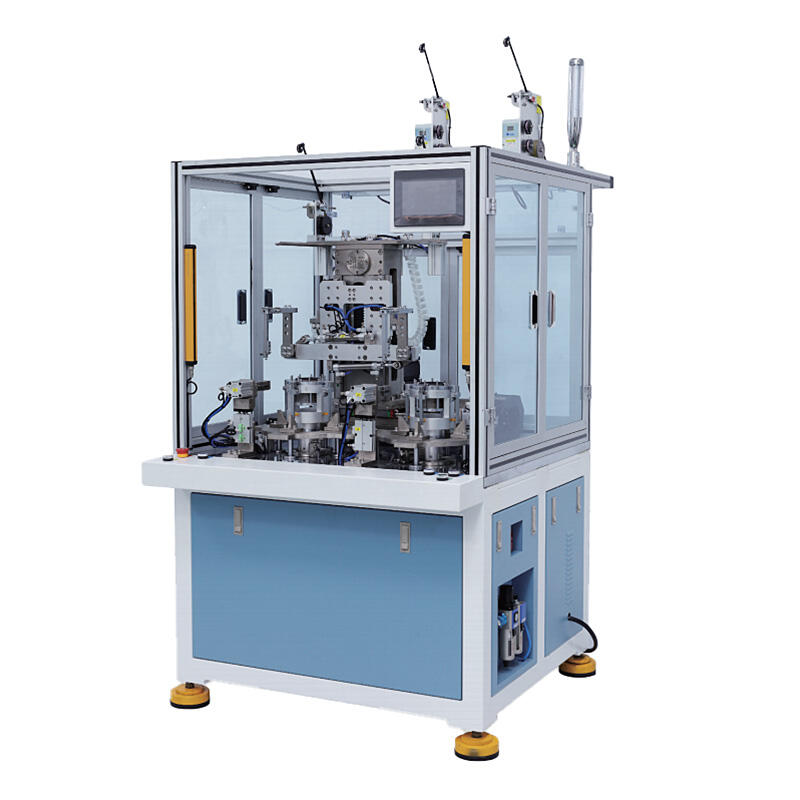
Optimization and Performance Enhancement
Efficiency Improvements
Regular maintenance provides opportunities to optimize rotor winding machine performance. Analyzing operational data helps identify areas for improvement in both maintenance procedures and production processes. Implementation of predictive maintenance techniques can significantly reduce unplanned downtime.
Modern monitoring systems can track performance metrics and alert maintenance teams to potential issues before they cause failures. This proactive approach helps maintain optimal production efficiency.
Technology Updates
Staying current with technological advances in winding equipment helps maintain competitive advantage. Regular evaluation of available upgrades and modifications can improve machine performance and reliability. Working closely with equipment manufacturers ensures access to the latest maintenance techniques and improvement options.
Implementation of new monitoring technologies and control systems can enhance both maintenance efficiency and production quality. Regular training updates keep maintenance staff current with evolving technology.
Frequently Asked Questions
How often should a rotor winding machine undergo complete maintenance?
A comprehensive maintenance inspection should be performed at least quarterly, with more frequent checks based on usage intensity and operating conditions. This schedule should be adjusted according to manufacturer recommendations and specific production requirements.
What are the signs that indicate immediate maintenance is needed?
Key indicators include unusual noise or vibration, inconsistent tension control, degraded winding quality, or error messages from the control system. Any sudden changes in normal operation patterns should trigger immediate investigation.
How can maintenance costs be optimized while ensuring reliability?
Implement a preventive maintenance program, maintain detailed maintenance records, train operators in basic maintenance procedures, and invest in quality replacement parts. Regular analysis of maintenance data helps identify cost-effective improvements in maintenance procedures.