 EN
EN
Revolutionizing Manufacturing Through Intelligent Automation
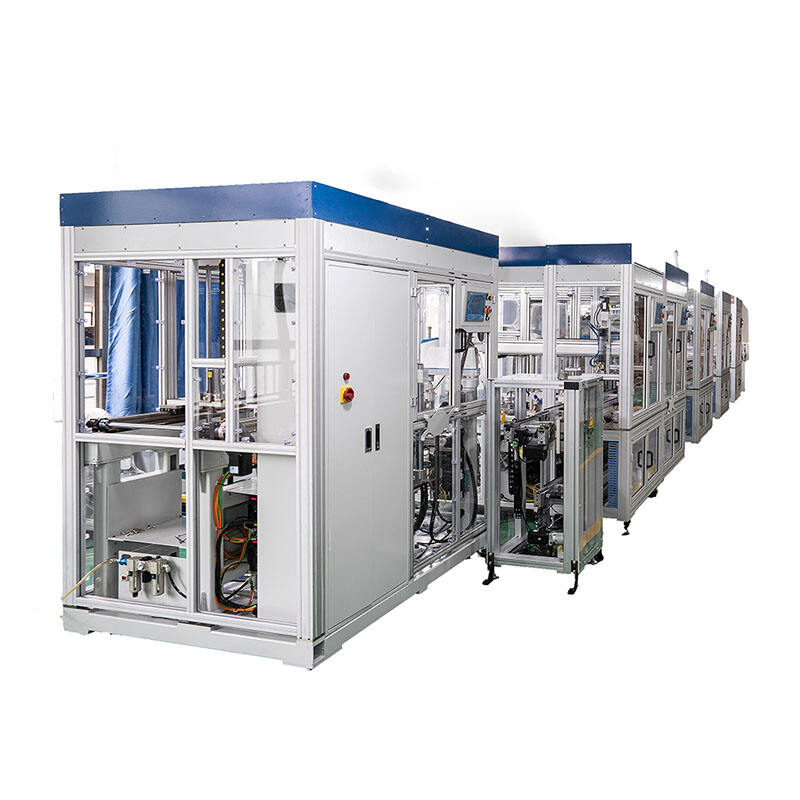
The evolution of motor production line technology has transformed manufacturing landscapes worldwide. As industries embrace digital transformation, traditional assembly processes are giving way to smart, interconnected systems that optimize efficiency and product quality. Modern motor production line implementations combine advanced robotics, artificial intelligence, and real-time monitoring to create seamless manufacturing ecosystems that define the future of industrial production.
Today's sophisticated motor production line facilities represent the pinnacle of manufacturing innovation, where every component and process is carefully orchestrated to achieve maximum productivity. The integration of Industry 4.0 principles has elevated these systems beyond simple automation, creating intelligent networks that can adapt, learn, and optimize in real-time.
Core Components of Advanced Manufacturing Systems
Automated Assembly and Testing Equipment
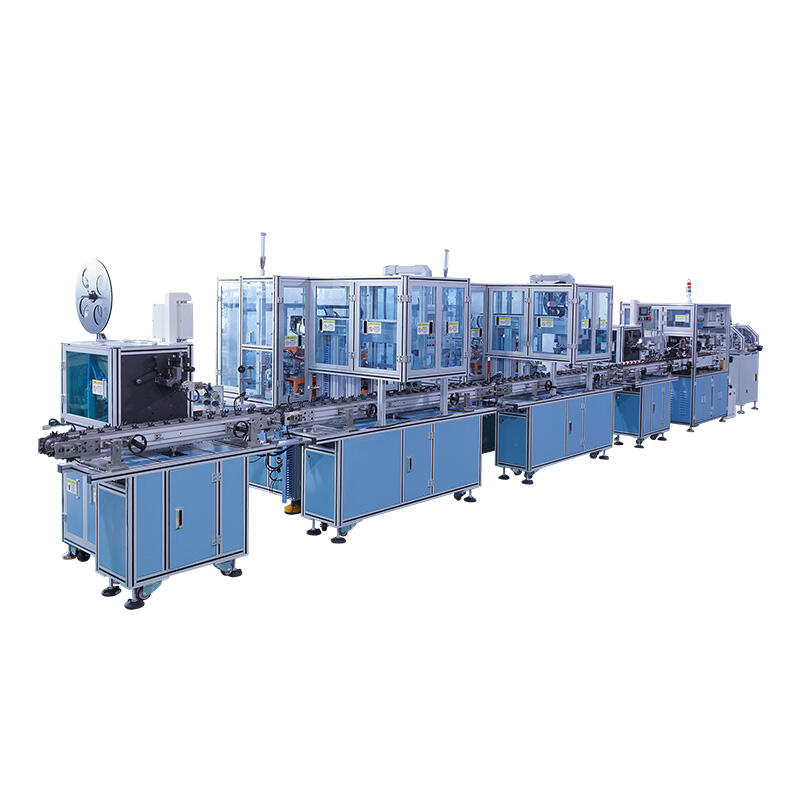
At the heart of any modern motor production line lies sophisticated automated assembly equipment. These systems handle everything from component placement to precision welding, ensuring consistent quality across thousands of units. Advanced testing stations integrate seamlessly into the production flow, conducting rigorous quality checks at every critical stage.
The implementation of high-precision robots and coordinated motion control systems enables complex assembly tasks to be performed with unprecedented accuracy. These automated systems work tirelessly, maintaining consistent quality standards while significantly reducing the potential for human error.
Smart Sensors and Real-time Monitoring
The integration of smart sensors throughout the motor production line provides continuous data streams that inform system operators about every aspect of the manufacturing process. These sensors monitor variables such as temperature, pressure, vibration, and electrical parameters, ensuring optimal operating conditions are maintained.
Real-time monitoring systems analyze this data to detect potential issues before they become problems, enabling predictive maintenance and reducing costly downtime. The ability to track and analyze production metrics in real-time has revolutionized quality control and process optimization.
Digital Integration and Smart Manufacturing
Cloud-Based Production Management
Modern motor production line operations leverage cloud computing to store, process, and analyze vast amounts of manufacturing data. This digital infrastructure enables seamless communication between different production stages and provides valuable insights for continuous improvement.
Cloud-based systems facilitate remote monitoring and management of production processes, allowing operators to make informed decisions from anywhere in the world. This level of connectivity ensures that production can be optimized around the clock, regardless of physical location.
Machine Learning and Predictive Analytics
The implementation of machine learning algorithms has transformed how motor production line systems operate and adapt. These intelligent systems learn from historical data to predict maintenance needs, optimize production schedules, and identify potential quality issues before they occur.
Predictive analytics tools process massive amounts of production data to identify patterns and trends that human operators might miss. This capability enables proactive decision-making and helps maintain optimal production efficiency.
Quality Assurance and Process Control
Advanced Testing Protocols
Quality assurance in a modern motor production line involves sophisticated testing protocols that evaluate both individual components and finished products. Automated testing stations perform comprehensive evaluations, including electrical performance, mechanical alignment, and thermal characteristics.
These testing systems integrate with production databases to maintain detailed records of every unit produced, ensuring complete traceability and compliance with industry standards. The ability to track and verify quality metrics throughout the production process has become essential in today's competitive market.
Statistical Process Control
Statistical process control methods have evolved to incorporate real-time data analysis and automated adjustments. Modern motor production line systems use advanced algorithms to monitor process variables and maintain optimal operating parameters automatically.
This level of control ensures consistent quality while minimizing waste and maximizing efficiency. The integration of statistical process control with machine learning capabilities creates a self-optimizing production environment that continuously improves over time.
Future Trends and Innovations
Artificial Intelligence Integration
The future of motor production line technology lies in deeper integration of artificial intelligence systems. These advanced AI platforms will enable more autonomous operation, with systems capable of making complex decisions without human intervention.
Machine learning algorithms will continue to evolve, offering even more sophisticated predictive capabilities and optimization potential. The integration of AI will lead to smarter, more efficient production systems that can adapt to changing conditions in real-time.
Sustainable Manufacturing Practices
Environmental consciousness is driving innovation in motor production line design, with a focus on energy efficiency and sustainable practices. New technologies are being developed to reduce waste, minimize energy consumption, and optimize resource utilization throughout the production process.
The implementation of green manufacturing principles is becoming increasingly important as industries strive to reduce their environmental impact while maintaining high productivity levels. Future developments will continue to emphasize sustainability alongside efficiency and quality.
Frequently Asked Questions
How does Industry 4.0 improve motor production line efficiency?
Industry 4.0 technologies enhance motor production line efficiency through real-time monitoring, predictive maintenance, and automated quality control. These systems reduce downtime, optimize resource utilization, and ensure consistent product quality through intelligent automation and data-driven decision-making.
What role does artificial intelligence play in modern motor manufacturing?
Artificial intelligence in motor production line systems enables predictive maintenance, quality control optimization, and automated decision-making. AI algorithms analyze production data to identify patterns, predict potential issues, and automatically adjust manufacturing parameters for optimal performance.
How are sustainability goals addressed in smart manufacturing?
Smart manufacturing addresses sustainability through energy-efficient equipment, waste reduction systems, and optimized resource utilization. Modern motor production line facilities incorporate green technologies and intelligent energy management systems to minimize environmental impact while maintaining high productivity levels.