 EN
EN
The aerospace and drone manufacturing industry has witnessed unprecedented growth in recent years, particularly in the FPV drone segment. As demand for high-performance racing and aerial photography drones continues to surge, manufacturers are increasingly investing in sophisticated automation solutions to meet production requirements. A well-designed motor production line represents the backbone of efficient drone manufacturing, ensuring consistent quality while maintaining competitive production costs. Understanding the fundamental principles and components of these specialized manufacturing systems is essential for businesses looking to scale their operations effectively.
Essential Components of Modern Motor Manufacturing Systems
Automated Assembly Stations
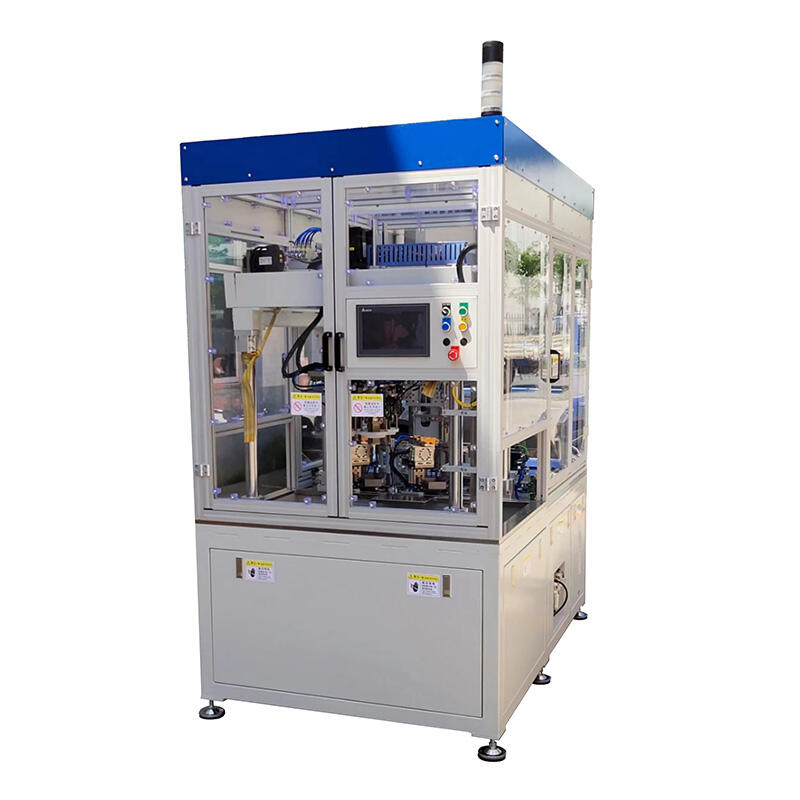
Contemporary motor production facilities rely heavily on precisely calibrated assembly stations that handle various stages of motor construction. These stations typically incorporate advanced robotics and servo-controlled mechanisms to ensure accurate component placement and alignment. The integration of vision systems allows for real-time quality verification during the assembly process, significantly reducing defective units and material waste. Each station is designed to handle specific tasks such as stator winding, rotor balancing, and housing assembly with remarkable precision.
The sophistication of these assembly stations extends beyond basic component handling to include advanced torque control systems and force feedback mechanisms. This level of precision is particularly crucial for FPV drone motors, where even minor imbalances can result in vibrations that affect flight performance and video quality. Modern stations also feature quick-changeover capabilities, allowing manufacturers to switch between different motor specifications without extensive downtime or recalibration.
Quality Control Integration
Integrated quality control systems form the cornerstone of any reliable motor production line, employing multiple inspection points throughout the manufacturing process. These systems utilize advanced metrology equipment including coordinate measuring machines, optical comparators, and electrical testing apparatus to verify dimensional accuracy and functional performance. The implementation of statistical process control methodologies ensures that production parameters remain within specified tolerances, maintaining consistency across large production runs.
Real-time data collection and analysis capabilities enable immediate identification of potential quality issues before they can propagate through the production system. This proactive approach to quality management significantly reduces the cost associated with rework and warranty claims while enhancing overall customer satisfaction. Advanced systems also incorporate machine learning algorithms that can predict potential quality issues based on historical production data and current operating conditions.
Automation Technologies in Motor Manufacturing
Robotic Integration Strategies
The implementation of industrial robotics in motor production line operations has revolutionized manufacturing efficiency and consistency. Six-axis articulated robots equipped with specialized end-effectors handle delicate components with exceptional precision while maintaining high throughput rates. These robotic systems are programmed to perform complex manipulation tasks including wire insertion, component positioning, and adhesive application with repeatability tolerances measured in micrometers.
Collaborative robotics solutions have emerged as particularly valuable additions to motor manufacturing environments, working alongside human operators to combine the flexibility of human decision-making with robotic precision and endurance. These systems incorporate advanced safety features including force limiting and collision detection, enabling safe human-robot interaction without the need for extensive safety barriers. The programming flexibility of modern robotic systems allows for rapid adaptation to new product variants and manufacturing requirements.
Process Control Systems
Sophisticated process control architectures ensure optimal coordination between all elements of the motor production line, utilizing distributed control systems that manage everything from material flow to environmental conditions. These systems incorporate advanced algorithms for predictive maintenance, automatically scheduling service intervals based on actual equipment utilization and performance metrics. The integration of Industrial Internet of Things sensors provides comprehensive monitoring capabilities that extend from individual machine components to overall production line efficiency.
Modern control systems also feature adaptive capabilities that can automatically adjust processing parameters in response to variations in raw material properties or environmental conditions. This level of intelligence helps maintain consistent product quality while optimizing energy consumption and cycle times. The implementation of digital twin technologies allows for virtual testing and optimization of production scenarios without disrupting actual manufacturing operations.
Material Handling and Logistics
Automated Material Flow Systems
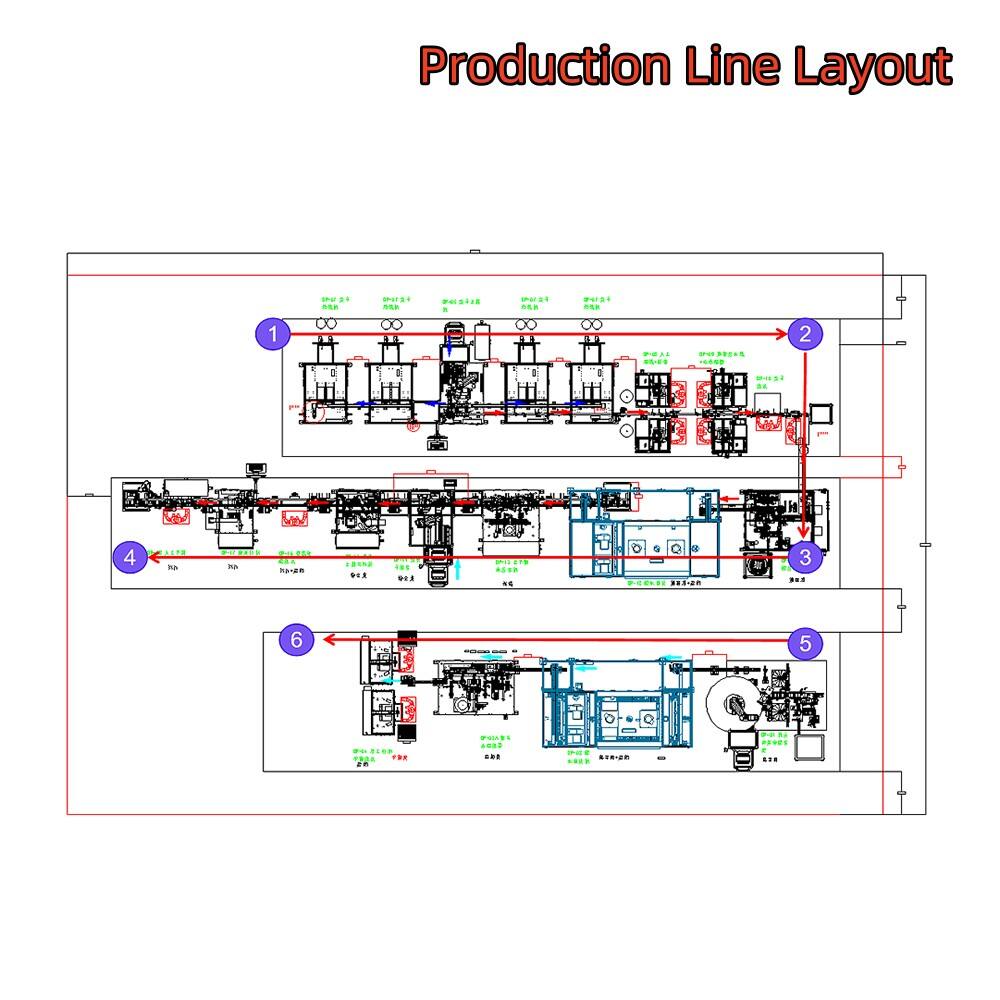
Efficient material handling represents a critical aspect of motor production line design, requiring sophisticated conveyor systems and automated storage solutions to maintain continuous production flow. Modern facilities incorporate flexible conveyor networks that can dynamically route components to different processing stations based on real-time production requirements. These systems often include buffer zones and temporary storage areas that help accommodate variations in processing times between different manufacturing stages.
The integration of automated guided vehicles and autonomous mobile robots has further enhanced material handling capabilities, providing flexible transportation solutions that can adapt to changing production layouts and requirements. These mobile systems utilize advanced navigation technologies including laser guidance and simultaneous localization and mapping to navigate complex manufacturing environments safely and efficiently. The ability to reconfigure material flow patterns without physical infrastructure changes provides significant advantages in terms of production flexibility and scalability.
Inventory Management Integration
Advanced inventory management systems play a crucial role in motor production line efficiency, utilizing real-time tracking technologies to monitor component availability and consumption rates. These systems employ RFID tags, barcode scanning, and vision-based identification methods to maintain accurate inventory records throughout the manufacturing process. The integration with enterprise resource planning systems enables automatic reordering of components based on production schedules and lead time requirements.
Predictive analytics capabilities within modern inventory management systems help optimize stock levels while minimizing carrying costs and reducing the risk of production disruptions due to material shortages. These systems can analyze historical consumption patterns and production forecasts to recommend optimal ordering quantities and timing. The implementation of just-in-time delivery strategies further enhances efficiency by reducing warehouse space requirements and minimizing working capital investment in inventory.
Performance Optimization Strategies
Throughput Enhancement Techniques
Maximizing throughput in motor production line operations requires a comprehensive understanding of bottleneck identification and elimination strategies. Advanced manufacturing execution systems provide real-time visibility into production performance metrics, enabling rapid identification of constraints that limit overall system productivity. The implementation of continuous improvement methodologies such as lean manufacturing and Six Sigma helps systematically eliminate waste and optimize process efficiency.
Line balancing techniques ensure that workload distribution across different production stations is optimized to minimize idle time and maximize overall equipment effectiveness. These optimization strategies often involve sophisticated simulation modeling that can evaluate the impact of various configuration changes before implementation. The use of advanced scheduling algorithms helps coordinate production activities to minimize setup times and maximize resource utilization across multiple product variants.
Energy Efficiency Considerations
Energy consumption optimization has become increasingly important in motor production line design, driven by both environmental concerns and operational cost considerations. Modern manufacturing systems incorporate variable frequency drives and intelligent motor control systems that adjust power consumption based on actual load requirements. The implementation of regenerative braking systems in servo-driven equipment helps recover energy during deceleration phases, contributing to overall efficiency improvements.
Advanced building management systems coordinate lighting, heating, ventilation, and air conditioning systems with production schedules to minimize energy waste during non-production periods. The integration of renewable energy sources such as solar panels and energy storage systems further enhances sustainability while reducing long-term operational costs. Comprehensive energy monitoring systems provide detailed insights into consumption patterns, enabling identification of optimization opportunities and verification of improvement initiatives.
FAQ
What are the key advantages of implementing a fully automated motor production line
Fully automated motor production lines offer significant advantages including consistent product quality, reduced labor costs, increased production capacity, and improved workplace safety. These systems eliminate human error in critical assembly processes while providing 24/7 production capability. The integration of advanced quality control systems ensures that every motor meets specified performance standards, reducing warranty claims and enhancing customer satisfaction. Additionally, automated systems can quickly adapt to new product variants and production requirements through software reconfiguration rather than physical modifications.
How do motor production lines ensure quality consistency across high-volume manufacturing
Quality consistency in high-volume motor manufacturing is achieved through integrated inspection systems that monitor critical parameters at every production stage. Statistical process control methodologies track key variables and automatically adjust processing parameters to maintain specifications. Advanced vision systems verify component placement and assembly quality in real-time, while electrical testing stations validate functional performance before motors leave the production line. Comprehensive data logging and traceability systems enable rapid identification and correction of any quality issues that may arise.
What factors should be considered when selecting equipment for a motor production line
Equipment selection for motor production lines should consider factors including production volume requirements, product complexity, quality specifications, and future scalability needs. The compatibility between different system components is crucial for ensuring seamless integration and optimal performance. Energy efficiency, maintenance requirements, and total cost of ownership should also be evaluated alongside initial equipment costs. Additionally, the availability of technical support and spare parts, as well as the supplier's track record in similar applications, are important considerations for long-term operational success.
How can manufacturers optimize the return on investment for motor production line automation
Optimizing ROI for motor production line automation requires careful analysis of production requirements, cost structures, and market conditions. Manufacturers should focus on identifying processes with the highest potential for automation benefits, such as repetitive assembly tasks or quality-critical operations. Phased implementation strategies can help minimize initial capital investment while allowing for gradual optimization and expansion. Regular performance monitoring and continuous improvement initiatives ensure that automation systems continue to deliver value throughout their operational lifecycle. Additionally, leveraging government incentives and financing programs can help reduce the financial burden of automation investments.
Table of Contents
- Essential Components of Modern Motor Manufacturing Systems
- Automation Technologies in Motor Manufacturing
- Material Handling and Logistics
- Performance Optimization Strategies
-
FAQ
- What are the key advantages of implementing a fully automated motor production line
- How do motor production lines ensure quality consistency across high-volume manufacturing
- What factors should be considered when selecting equipment for a motor production line
- How can manufacturers optimize the return on investment for motor production line automation