 EN
EN

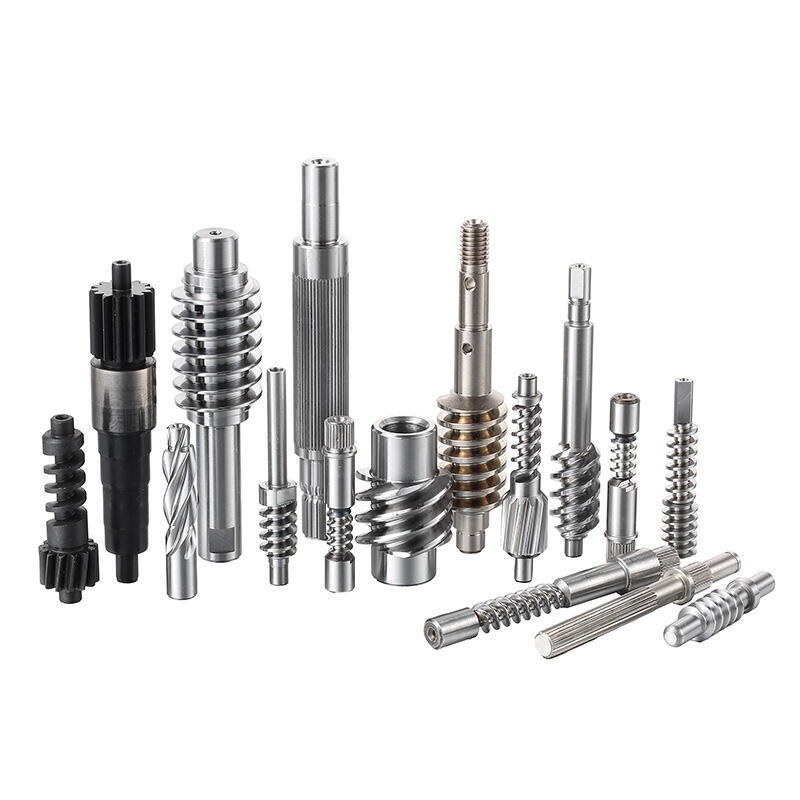
Modern manufacturing demands exceptional accuracy and reliability, particularly when dealing with rotating machinery components. Precision machining has become the cornerstone of producing high-quality shafts that meet stringent tolerance requirements and achieve optimal dynamic balance. Understanding the critical factors that influence machining capabilities is essential for manufacturers seeking to deliver components that perform reliably across automotive, industrial, and consumer applications. The evaluation process requires careful consideration of multiple variables that directly impact the final product quality and operational performance.
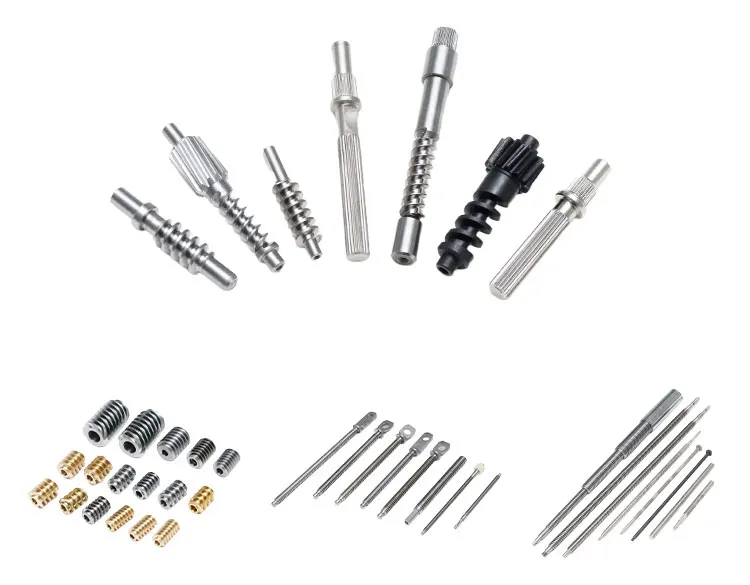
Machine Tool Capabilities and Their Impact on Shaft Quality
Spindle Performance and Rigidity Requirements
The foundation of effective precision machining lies in the machine tool's spindle system and overall structural rigidity. High-precision CNC lathes equipped with aerostatic or hydrostatic spindle bearings provide the necessary stability for achieving tight tolerances on shaft components. These advanced spindle systems minimize radial and axial runout, which directly translates to improved surface finish and dimensional accuracy. The thermal stability of the spindle system also plays a crucial role in maintaining consistent machining performance throughout extended production runs.
Machine rigidity extends beyond the spindle to encompass the entire machine structure, including the bed, headstock, and tailstock assemblies. Cast iron or welded steel construction with appropriate ribbing and damping characteristics helps minimize vibration during heavy cutting operations. This structural integrity becomes particularly important when machining longer shafts that are susceptible to deflection and chatter. The combination of rigid construction and precise spindle performance creates the foundation necessary for successful precision machining operations.
Cutting Tool Selection and Geometry Optimization
The selection of appropriate cutting tools significantly influences the quality outcomes in precision machining applications. Carbide inserts with sharp cutting edges and optimized chip breakers help achieve superior surface finishes while maintaining dimensional stability. Tool geometry parameters such as rake angle, clearance angle, and nose radius must be carefully selected based on the workpiece material properties and desired surface characteristics. Advanced coatings like TiAlN or diamond-like carbon can extend tool life while maintaining consistent cutting performance.
Tool holding systems must provide exceptional runout accuracy to complement the machine tool capabilities. Hydraulic or shrink-fit tool holders offer superior gripping strength and concentricity compared to traditional collet systems. The entire tool assembly, from the spindle interface to the cutting edge, must work in harmony to achieve the precision levels required for high-quality shaft production. Regular tool condition monitoring and replacement schedules help maintain consistent quality throughout production runs.
Material Properties and Their Influence on Machining Outcomes
Steel Grade Selection and Heat Treatment Considerations
The choice of raw material significantly impacts the precision machining process and final component quality. Different steel grades exhibit varying machinability characteristics that directly affect cutting forces, tool wear rates, and achievable surface finishes. Alloy steels with controlled sulfur content often provide improved machinability while maintaining the mechanical properties required for shaft applications. The material's hardness level must be carefully balanced to ensure efficient machining while meeting the final application requirements.
Heat treatment processes applied before or after machining operations can dramatically influence the final component properties and dimensional stability. Pre-machining stress relief treatments help minimize distortion during subsequent machining operations, particularly important for longer shaft components. Understanding the relationship between material properties and machining parameters allows manufacturers to optimize their processes for both productivity and quality. The thermal expansion characteristics of the selected material must also be considered when establishing machining parameters and fixture design.
Surface Integrity and Residual Stress Management
Surface integrity encompasses multiple factors including surface roughness, microstructure alterations, and residual stress distribution resulting from the machining process. Precision machining techniques must be carefully controlled to avoid introducing harmful tensile residual stresses that can negatively impact fatigue life. Proper cutting parameters, including appropriate cutting speeds and feed rates, help maintain favorable compressive residual stresses near the surface. The use of appropriate cutting fluids and temperature control further supports optimal surface integrity.
Microstructural changes in the near-surface region can occur due to excessive cutting temperatures or mechanical deformation during machining. These alterations may affect the material's mechanical properties and long-term performance characteristics. Advanced precision machining strategies incorporate temperature monitoring and control systems to minimize thermal damage while maintaining productivity levels. Post-machining inspection techniques can verify surface integrity and ensure components meet the required specifications.
Dimensional Tolerance Achievement and Measurement Strategies
Tolerance Stack-Up Analysis and Process Capability
Achieving tight dimensional tolerances in precision machining requires comprehensive understanding of the various error sources and their cumulative effects. Machine tool geometric errors, thermal effects, tool wear progression, and workpiece deflection all contribute to the final dimensional accuracy. Statistical process control methods help quantify process capability and identify opportunities for improvement. The relationship between individual error sources and their combined impact must be thoroughly analyzed to optimize machining strategies.
Process capability studies provide quantitative measures of how well the precision machining process can meet specified tolerance requirements. Cpk values of 1.33 or higher typically indicate robust processes capable of consistently producing parts within specification limits. Regular capability assessments help identify process drift and trigger corrective actions before quality issues arise. The implementation of real-time monitoring systems can provide immediate feedback on dimensional performance and enable rapid process adjustments.
Advanced Measurement and Quality Control Systems
Modern precision machining operations rely heavily on sophisticated measurement systems to verify dimensional accuracy and surface quality. Coordinate measuring machines equipped with high-resolution probes can achieve measurement uncertainties well below the part tolerances being verified. In-process measurement systems integrated with the machine tool enable real-time dimensional monitoring and automatic compensation for tool wear and thermal effects. These advanced measurement capabilities support both process optimization and quality assurance objectives.
Statistical sampling plans and measurement frequency protocols must be established based on process capability and risk assessment considerations. Critical dimensions may require 100% inspection, while other features can be monitored using appropriate sampling strategies. The measurement system analysis should demonstrate adequate gauge repeatability and reproducibility to ensure reliable quality data. Calibration schedules and measurement uncertainty budgets help maintain measurement system integrity throughout production operations.
Dynamic Balance Requirements and Testing Methodologies
Understanding Unbalance Sources and Their Effects
Dynamic balance performance directly relates to the precision machining quality and has significant implications for the final application performance. Material density variations, geometric imperfections, and asymmetric features all contribute to shaft unbalance. Precision machining processes must minimize these unbalance sources through careful process control and quality assurance measures. The relationship between machining parameters and resulting balance characteristics requires detailed understanding and optimization.
Different types of unbalance, including static, couple, and dynamic unbalance, each present unique challenges in precision machining applications. The magnitude and angular position of unbalance forces depend on the shaft geometry, material distribution, and machining accuracy. Advanced precision machining techniques can minimize inherent unbalance through improved concentricity and surface quality. Understanding these relationships enables manufacturers to optimize their processes for both dimensional accuracy and dynamic performance.
Balance Testing and Correction Procedures
Comprehensive balance testing protocols ensure that machined shafts meet the required dynamic performance criteria. Multi-plane balancing machines capable of measuring both magnitude and phase relationships provide detailed unbalance information for correction purposes. The testing procedures must account for the specific operating conditions and performance requirements of the final application. Different balance grades may be specified based on the intended service speed and application criticality.
Correction methods for addressing unbalance issues include material removal, material addition, or geometric adjustments through additional precision machining operations. The selection of appropriate correction techniques depends on the unbalance magnitude, shaft geometry, and accessibility constraints. Quality control procedures must verify that balance corrections do not compromise other critical dimensions or surface quality requirements. Documentation of balance testing results and correction procedures provides traceability and supports continuous improvement efforts.
Process Optimization and Continuous Improvement
Data-Driven Process Enhancement Strategies
Successful precision machining operations depend on systematic data collection and analysis to identify improvement opportunities. Machine monitoring systems can capture real-time information about cutting forces, spindle power consumption, and thermal conditions throughout the machining cycle. This data provides valuable insights into process stability and performance trends that may not be apparent through traditional quality control methods. Advanced analytics techniques can identify correlations between process parameters and quality outcomes.
The implementation of digital manufacturing technologies enables more sophisticated process optimization approaches. Machine learning algorithms can analyze historical production data to identify optimal parameter combinations for specific material and geometry combinations. Predictive maintenance strategies based on machine condition monitoring help prevent unexpected downtime and maintain consistent precision machining performance. The integration of these technologies supports both productivity enhancement and quality improvement objectives.
Lean Manufacturing Principles in Precision Operations
Lean manufacturing principles can be effectively applied to precision machining operations to eliminate waste while maintaining quality standards. Value stream mapping exercises help identify non-value-added activities and opportunities for process streamlining. Setup time reduction through improved fixturing and tool management systems directly impacts productivity without compromising precision machining quality. Standardized work instructions and visual management systems support consistent execution of critical processes.
Continuous improvement culture encourages operator involvement in identifying and implementing process enhancements. Regular gemba walks and kaizen events focused on precision machining operations can yield significant improvements in both efficiency and quality. The application of problem-solving methodologies like root cause analysis helps address quality issues systematically. Employee training and skill development programs ensure that the workforce can effectively support advanced precision machining requirements.
FAQ
What are the most critical factors affecting precision machining accuracy for shaft components
The most critical factors include machine tool rigidity and spindle performance, cutting tool selection and condition, workpiece material properties, thermal stability throughout the process, and proper fixturing techniques. Each of these elements must be optimized and controlled to achieve the tight tolerances required for high-quality shaft production. Environmental factors such as temperature fluctuations and vibration can also significantly impact accuracy.
How does cutting speed affect surface finish and dimensional accuracy in precision machining
Cutting speed influences both surface finish and dimensional accuracy through its effects on cutting temperatures, tool wear rates, and chip formation characteristics. Higher cutting speeds generally improve surface finish but may increase tool wear and thermal effects. The optimal cutting speed depends on the workpiece material, tool geometry, and cooling method used. Proper speed selection balances productivity requirements with quality objectives.
What measurement techniques are most effective for verifying shaft tolerances
Coordinate measuring machines provide the highest accuracy for dimensional verification, particularly for complex geometric tolerances. For high-volume production, automated measurement systems integrated with the precision machining process enable real-time quality control. Surface finish measurement using profilometers helps verify texture requirements, while roundness and cylindricity can be assessed using specialized measuring equipment. The selection of measurement techniques should match the precision requirements and production volume.
How can manufacturers optimize their processes for both tight tolerances and dynamic balance requirements
Process optimization requires a systematic approach that considers the interrelationship between dimensional accuracy and balance performance. This includes maintaining excellent concentricity and surface finish through proper precision machining techniques, minimizing material density variations, and implementing comprehensive quality control procedures. Statistical process control methods help identify process capabilities and improvement opportunities. Regular calibration of both machining and measurement equipment ensures consistent performance over time.
Table of Contents
- Machine Tool Capabilities and Their Impact on Shaft Quality
- Material Properties and Their Influence on Machining Outcomes
- Dimensional Tolerance Achievement and Measurement Strategies
- Dynamic Balance Requirements and Testing Methodologies
- Process Optimization and Continuous Improvement
-
FAQ
- What are the most critical factors affecting precision machining accuracy for shaft components
- How does cutting speed affect surface finish and dimensional accuracy in precision machining
- What measurement techniques are most effective for verifying shaft tolerances
- How can manufacturers optimize their processes for both tight tolerances and dynamic balance requirements