 EN
EN
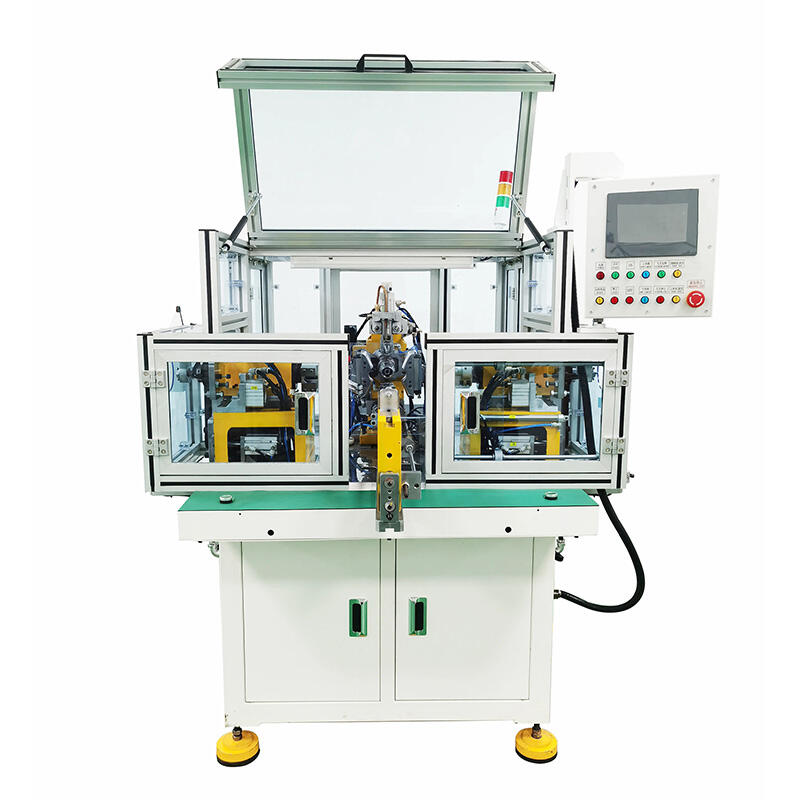
Modern manufacturing demands have revolutionized how industrial facilities approach motor production. Motor production lines represent sophisticated engineering solutions that must adapt to diverse motor specifications, from small electric water pump motors to large industrial drive systems. The customization process involves intricate planning, specialized equipment configuration, and precise workflow optimization to ensure each motor type receives appropriate manufacturing treatment while maintaining efficiency and quality standards.
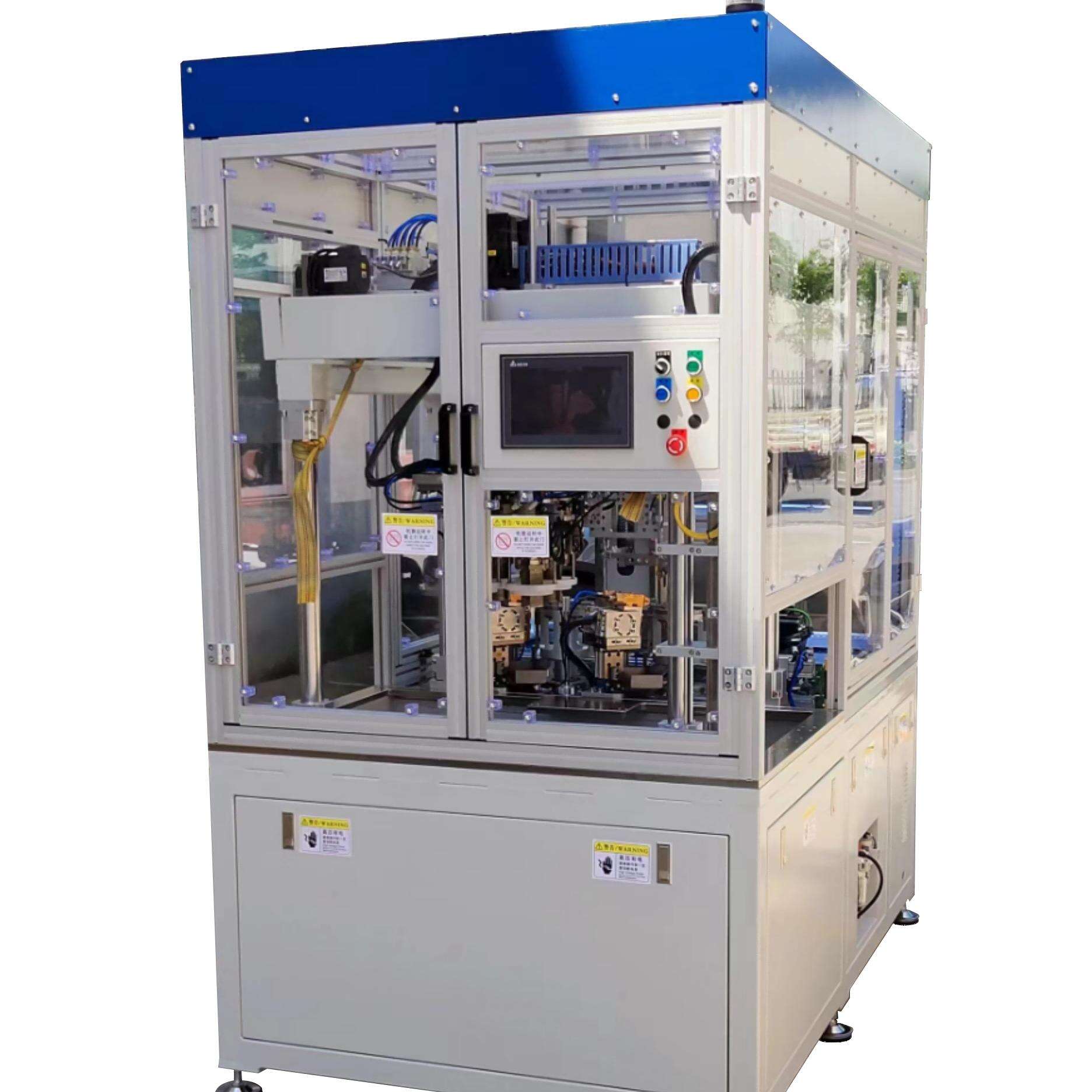
Understanding Motor Type Variations in Production Requirements
Electric Motor Classifications and Manufacturing Implications
Different motor types present unique manufacturing challenges that directly impact production line design. AC motors require specific winding techniques and insulation processes that differ significantly from DC motor assembly procedures. Brushless motors demand precise magnet placement and electronic controller integration, while brushed motors focus on commutator assembly and carbon brush installation. Motor production lines must accommodate these variations through modular equipment stations and flexible tooling systems.
Servo motors and stepper motors represent another category requiring specialized attention during production. These precision devices need accurate encoder installation, precise rotor balancing, and stringent quality control measures. Production facilities often dedicate separate line sections or entirely different motor production lines for these high-precision applications, ensuring optimal manufacturing conditions and reducing cross-contamination risks from standard motor production processes.
Size and Power Rating Considerations
Motor size variations create significant impacts on production line configuration and handling systems. Fractional horsepower motors used in household appliances require different assembly approaches compared to industrial motors rated for hundreds of horsepower. Small motor production typically emphasizes high-speed automated assembly, while larger motors necessitate heavy-duty handling equipment and extended assembly time allocations within motor production lines.
Power rating differences also influence cooling system requirements during manufacturing. High-power motors often require enhanced ventilation features and thermal management components that must be integrated during assembly. Motor production lines accommodate these requirements through specialized stations equipped with cooling system installation equipment and thermal testing capabilities, ensuring proper heat dissipation performance before final product release.
Customization Strategies for Production Line Flexibility
Modular Equipment Design Implementation
Successful motor production lines incorporate modular equipment designs that allow rapid reconfiguration for different motor types. Modular winding machines can adjust coil parameters, wire gauges, and winding patterns through programmable controls, eliminating the need for complete equipment changes when switching between motor specifications. This flexibility reduces changeover time and maximizes production efficiency across diverse motor manufacturing requirements.
Assembly stations within motor production lines utilize interchangeable tooling systems and adjustable fixtures that accommodate various motor sizes and configurations. Quick-change mechanisms enable operators to modify station setups within minutes rather than hours, supporting just-in-time production schedules and reducing inventory holding costs. Advanced facilities implement automated tool changing systems that further minimize setup time and human intervention requirements.
Automated Quality Control Integration
Quality control systems in modern motor production lines adapt automatically to different motor specifications and testing requirements. Vision inspection systems can switch between different measurement parameters, tolerance levels, and defect detection algorithms based on motor type identification. This automated adaptation ensures consistent quality standards while accommodating the diverse testing needs of various motor categories without manual intervention.
Electrical testing equipment integrated into motor production lines automatically adjusts voltage levels, current parameters, and performance benchmarks according to motor specifications. Advanced testing stations can perform continuity checks, insulation resistance measurements, and performance validation tests tailored to each motor type, ensuring comprehensive quality verification throughout the production process.
Technology Integration for Enhanced Customization
Digital Manufacturing Systems
Digital manufacturing technologies transform how motor production lines handle customization requirements. Manufacturing execution systems coordinate production schedules, equipment configurations, and quality parameters based on real-time production demands and motor type requirements. These systems automatically adjust line parameters, notify operators of configuration changes, and track production metrics specific to each motor variant being manufactured.
Internet of Things sensors throughout motor production lines collect performance data, equipment status information, and product quality metrics that enable predictive maintenance and optimization opportunities. Machine learning algorithms analyze this data to identify patterns and recommend improvements for specific motor types, continuously enhancing production efficiency and quality outcomes across diverse manufacturing requirements.
Robotics and Automation Adaptation
Robotic systems in motor production lines demonstrate remarkable adaptability through programmable end effectors and intelligent control systems. Collaborative robots can switch between delicate component handling for small motors and robust manipulation tasks for larger motor assemblies. Vision-guided robotics enable precise positioning and orientation adjustments automatically based on motor type identification and assembly requirements.
Advanced motor production lines incorporate artificial intelligence algorithms that optimize robotic movements and assembly sequences for different motor types. These systems learn from production data and continuously improve efficiency while maintaining quality standards. Predictive algorithms anticipate equipment needs and automatically prepare necessary tools and fixtures before motor type changeovers, minimizing production disruptions.
Material Handling and Logistics Customization
Component Supply Chain Optimization
Effective motor production lines integrate sophisticated material handling systems that automatically deliver appropriate components based on motor type requirements. Automated guided vehicles and conveyor systems coordinate component flow from warehouses to assembly stations, ensuring proper parts availability without excess inventory accumulation. Smart inventory management systems track component consumption patterns for different motor types and optimize reorder schedules accordingly.
Component preparation areas within motor production lines organize materials according to motor specifications and assembly sequences. Automated dispensing systems provide precise quantities of lubricants, adhesives, and fasteners tailored to each motor type, reducing waste and ensuring consistent application. Kitting systems pre-assemble component sets for specific motor variants, streamlining assembly processes and reducing potential errors during production.
Workflow Management and Scheduling
Production scheduling systems optimize motor production lines by analyzing demand patterns, equipment capabilities, and changeover requirements for different motor types. Advanced algorithms balance production efficiency with inventory levels, minimizing changeover frequency while meeting delivery commitments. Dynamic scheduling capabilities adjust production sequences in real-time based on component availability, equipment status, and priority changes.
Workflow management systems coordinate human resources and equipment assignments based on motor type complexity and production requirements. Skilled operators receive automatic notifications about upcoming motor type changes and required preparation activities. Training management systems ensure appropriate personnel are available for specialized motor types requiring specific expertise or certification levels.
Quality Assurance and Testing Protocols
Motor-Specific Testing Requirements
Different motor types demand unique testing protocols that motor production lines must accommodate through flexible testing equipment and programmable procedures. Permanent magnet motors require demagnetization testing and magnetic field strength verification, while induction motors focus on slip characteristics and starting torque measurements. Testing stations automatically select appropriate test sequences based on motor identification and specification requirements.
Environmental testing capabilities within motor production lines adapt to various motor applications and operating conditions. Motors destined for outdoor applications undergo enhanced moisture resistance and temperature cycling tests, while precision servo motors receive vibration and noise level assessments. Automated test equipment adjusts parameters and duration based on motor type and intended application environment specifications.
Documentation and Traceability Systems
Comprehensive traceability systems in motor production lines automatically generate documentation packages tailored to specific motor types and customer requirements. Serialization systems track individual motors through production stages while maintaining links to component batch information, test results, and quality control data. Digital documentation systems automatically format certificates and reports according to motor type standards and regulatory requirements.
Quality management systems integrate with motor production lines to ensure compliance with industry standards and customer specifications for different motor categories. Automated compliance checking verifies that production processes and test results meet applicable standards for each motor type, generating alerts when deviations occur and preventing non-conforming products from reaching customers.
Future Trends in Motor Production Line Customization
Industry 4.0 Integration
Emerging Industry 4.0 technologies continue revolutionizing motor production lines through enhanced connectivity, artificial intelligence, and predictive analytics capabilities. Digital twin technology creates virtual representations of production processes that enable simulation and optimization of motor type changeovers before implementation. These virtual models help identify potential issues and optimize configurations for new motor variants without disrupting ongoing production.
Augmented reality systems assist operators during motor production lines configuration changes and complex assembly procedures. Smart glasses and tablet interfaces provide real-time guidance for equipment setup, quality checkpoints, and troubleshooting procedures specific to each motor type. These technologies reduce training time and minimize errors during production transitions between different motor specifications.
Sustainable Manufacturing Practices
Environmental considerations increasingly influence motor production lines design and customization strategies. Energy-efficient equipment and processes reduce manufacturing costs while supporting sustainability goals across different motor types. Waste reduction systems automatically adjust material usage and recycling procedures based on motor specifications and production volumes, optimizing resource utilization throughout manufacturing operations.
Circular economy principles guide motor production lines toward enhanced recyclability and component reuse capabilities. Design for disassembly considerations influence assembly procedures and fastening methods, while material tracking systems enable better end-of-life management for different motor types. These sustainable practices position manufacturers for future regulatory requirements and customer environmental expectations.
FAQ
What factors determine the level of customization required for different motor types?
Motor production lines customization depends on several key factors including motor size, power rating, application requirements, and performance specifications. Physical dimensions affect handling equipment and assembly station configurations, while electrical characteristics influence winding machines, testing equipment, and quality control procedures. Environmental operating conditions and industry standards also drive specific customization requirements for insulation systems, sealing methods, and testing protocols.
How long does it typically take to reconfigure production lines for different motor types?
Changeover time varies significantly based on motor production lines design and the degree of difference between motor types. Modern modular systems can complete basic reconfigurations in 30-60 minutes for similar motor families, while major changes between drastically different motor types may require 2-4 hours. Advanced facilities with automated tooling systems and pre-configured setup packages often achieve changeovers in under 30 minutes, maximizing production efficiency and flexibility.
What role does automation play in motor production line customization?
Automation significantly enhances motor production lines customization capabilities through programmable equipment, intelligent control systems, and adaptive robotics. Automated systems can store multiple configuration profiles and switch between them rapidly without manual intervention. Vision systems and sensors enable automatic motor type identification and appropriate parameter selection, while robotic systems adapt their movements and tooling based on motor specifications, ensuring consistent quality across diverse production requirements.
How do manufacturers balance efficiency with customization flexibility?
Successful motor production lines achieve efficiency-flexibility balance through strategic equipment selection, modular design principles, and intelligent scheduling systems. Manufacturers invest in versatile equipment that handles multiple motor types with minimal changeover requirements, implement standardized interfaces and tooling systems, and utilize production planning software that optimizes batch sizes and sequence scheduling. This approach minimizes changeover frequency while maintaining responsiveness to diverse customer requirements and market demands.
Table of Contents
- Understanding Motor Type Variations in Production Requirements
- Customization Strategies for Production Line Flexibility
- Technology Integration for Enhanced Customization
- Material Handling and Logistics Customization
- Quality Assurance and Testing Protocols
- Future Trends in Motor Production Line Customization
-
FAQ
- What factors determine the level of customization required for different motor types?
- How long does it typically take to reconfigure production lines for different motor types?
- What role does automation play in motor production line customization?
- How do manufacturers balance efficiency with customization flexibility?