 EN
EN
Modern manufacturing facilities face unprecedented challenges in scaling motor production to meet growing market demands while maintaining cost efficiency and quality standards. The key to successful scalability lies in implementing strategic planning approaches that leverage advanced automation technologies and streamlined workflows. An automated production line serves as the backbone of efficient motor manufacturing, enabling factories to achieve consistent output levels while adapting to fluctuating demand patterns. Understanding the fundamental principles of production line planning is essential for manufacturers seeking to optimize their operations and maintain competitive advantages in today's dynamic industrial landscape.
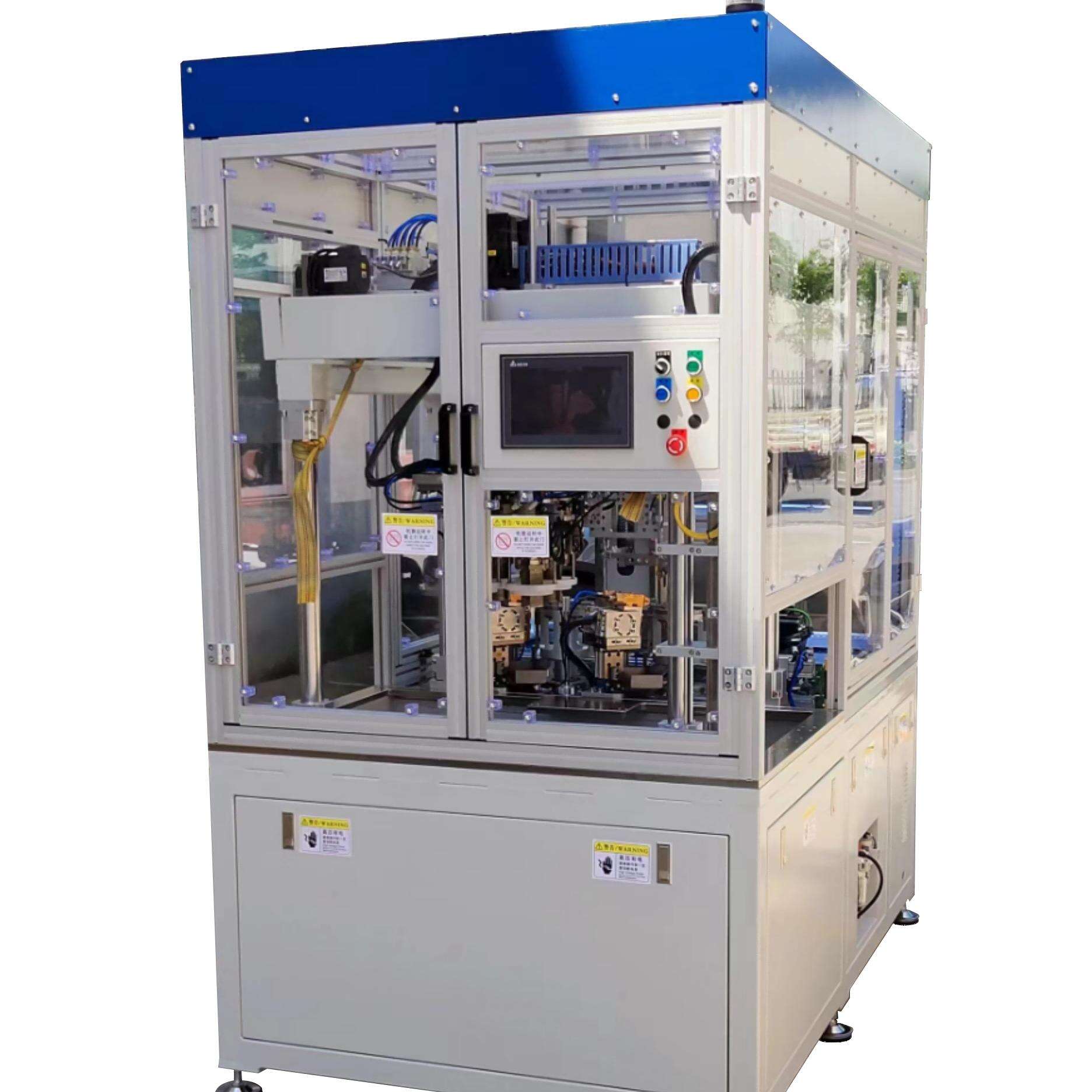
Strategic Foundation for Scalable Motor Production
Market Analysis and Demand Forecasting
Successful production line planning begins with comprehensive market analysis that identifies current trends, customer requirements, and projected growth patterns. Factories must evaluate historical data, seasonal fluctuations, and emerging market opportunities to establish realistic production targets. This analysis forms the foundation for determining the optimal capacity of an automated production line and ensures that manufacturing capabilities align with market demands. Accurate forecasting enables manufacturers to make informed decisions about equipment investments, workforce requirements, and facility expansion needs.
Advanced analytical tools and software platforms help manufacturers process vast amounts of market data to identify patterns and predict future demand scenarios. These insights enable production planners to design flexible systems that can accommodate varying output requirements without compromising efficiency. The integration of predictive analytics with production planning processes allows factories to proactively adjust their operations and maintain optimal performance levels across different market conditions.
Production Capacity Assessment
Evaluating existing production capabilities provides crucial insights into current limitations and expansion opportunities. Factories must conduct thorough assessments of their equipment, workforce skills, facility layout, and technological infrastructure to identify bottlenecks and optimization potential. This evaluation process reveals areas where an automated production line can deliver the greatest impact on overall productivity and quality outcomes. Understanding current capacity constraints enables manufacturers to prioritize investments and develop phased implementation strategies that maximize return on investment.
Capacity assessment also involves analyzing the relationship between production volume, quality standards, and operational costs. Manufacturers must determine the optimal balance between speed and precision while ensuring that increased output does not compromise product reliability or safety requirements. This analysis helps establish realistic performance benchmarks and guides the selection of appropriate automation technologies that align with specific production goals and quality standards.
Technology Integration and Automation Design
Equipment Selection and Configuration
Selecting the right combination of automated equipment requires careful consideration of production requirements, quality specifications, and future scalability needs. An effective automated production line incorporates precision machinery, robotic systems, and intelligent control technologies that work seamlessly together to optimize manufacturing processes. Equipment selection must balance initial investment costs with long-term operational benefits, including reduced labor requirements, improved consistency, and enhanced production flexibility.
Modern motor manufacturing facilities increasingly rely on modular automation systems that can be easily reconfigured or expanded as production needs evolve. These flexible solutions enable manufacturers to adapt their operations quickly to changing market conditions while maintaining high levels of efficiency and quality control. The integration of advanced sensors, machine learning algorithms, and real-time monitoring systems enhances the performance of automated production lines and provides valuable data for continuous improvement initiatives.
Process Optimization and Workflow Design
Designing efficient workflows within an automated production line requires detailed analysis of each manufacturing step and the identification of optimization opportunities. Process engineers must evaluate material flow patterns, cycle times, and quality control checkpoints to create streamlined operations that minimize waste and maximize throughput. Effective workflow design considers both current production requirements and future expansion possibilities, ensuring that the system can accommodate increased capacity without major restructuring.
The implementation of lean manufacturing principles helps eliminate non-value-added activities and reduces overall production cycle times. By incorporating these methodologies into automated production line design, factories can achieve significant improvements in efficiency and cost-effectiveness. Continuous monitoring and analysis of production data enable ongoing refinement of processes and help maintain optimal performance levels throughout the system lifecycle.
Quality Control and Performance Monitoring
Integrated Quality Assurance Systems
Maintaining consistent quality standards across scaled production operations requires sophisticated quality control systems integrated throughout the automated production line. These systems incorporate real-time inspection technologies, statistical process control methods, and automated feedback mechanisms that detect and correct deviations before they impact final product quality. Advanced quality assurance protocols ensure that increased production volumes do not compromise the reliability and performance characteristics that customers expect from motor products.
Modern quality control systems utilize machine vision, precision measurement instruments, and data analytics to monitor critical parameters at every stage of the manufacturing process. This comprehensive approach enables early detection of potential issues and facilitates immediate corrective actions that prevent defective products from progressing through the production line. The integration of quality data with production management systems provides valuable insights for process optimization and continuous improvement initiatives.
Performance Metrics and Continuous Improvement
Establishing comprehensive performance monitoring systems enables manufacturers to track key metrics and identify opportunities for enhancement within their automated production line operations. Important indicators include overall equipment effectiveness, cycle time variability, quality yield rates, and energy consumption patterns. Regular analysis of these metrics provides insights into system performance and helps guide decision-making processes related to process optimization and capacity planning.
The implementation of continuous improvement methodologies ensures that production systems evolve and adapt to changing requirements over time. Data-driven approaches to process enhancement enable manufacturers to identify trends, predict maintenance needs, and optimize resource allocation across their operations. This proactive approach to performance management helps maintain competitive advantages and supports long-term business growth objectives.
Resource Management and Scalability Planning
Workforce Development and Training
Successful implementation of scalable production systems requires comprehensive workforce development programs that prepare employees for evolving manufacturing environments. As factories transition to more automated operations, workers need new skills related to system monitoring, troubleshooting, and maintenance activities. Training programs must address both technical competencies and problem-solving capabilities that enable personnel to work effectively with sophisticated automated production line equipment.
Ongoing education and skill development initiatives ensure that the workforce remains capable of supporting expanding production operations. Manufacturers must invest in cross-training programs that develop versatile employees who can adapt to changing production requirements and technology updates. This approach to human resource management supports operational flexibility and helps maintain high performance levels as production scales increase.
Supply Chain Integration and Material Management
Effective supply chain coordination becomes increasingly critical as production volumes scale upward through automated manufacturing systems. Factories must establish robust supplier relationships, implement just-in-time delivery protocols, and maintain appropriate inventory levels to support continuous production operations. automated production line systems require reliable material flows and consistent component quality to achieve optimal performance levels.
Advanced material management systems integrate with production planning software to coordinate procurement activities, monitor inventory levels, and optimize storage requirements. These integrated approaches help minimize production disruptions while reducing carrying costs and improving cash flow management. Effective supply chain integration enables manufacturers to respond quickly to demand fluctuations and maintain competitive delivery schedules across varying production volumes.
Financial Planning and Investment Strategy
Cost Analysis and Return on Investment
Developing comprehensive financial models helps manufacturers evaluate the economic benefits of implementing automated production line systems for scalable motor manufacturing. These analyses must consider initial capital investments, operational cost reductions, quality improvements, and productivity gains to determine overall return on investment. Accurate financial planning enables informed decision-making and helps secure necessary funding for automation projects.
Long-term financial projections should account for maintenance costs, technology upgrades, and potential capacity expansions to provide realistic assessments of total project economics. Manufacturers must also evaluate the competitive advantages gained through automation investments and their impact on market positioning and profitability. This comprehensive approach to financial planning supports sustainable business growth and ensures that automation investments align with strategic objectives.
Risk Management and Contingency Planning
Implementing scalable production systems requires careful consideration of potential risks and the development of appropriate mitigation strategies. Risk factors may include technology failures, supply chain disruptions, market demand variations, and regulatory changes that could impact production operations. Effective risk management plans address these concerns through redundant systems, flexible capacity options, and comprehensive insurance coverage.
Contingency planning ensures that factories can maintain production continuity despite unexpected challenges or disruptions. These plans should include alternative supplier arrangements, backup equipment options, and emergency response procedures that minimize operational interruptions. Proactive risk management approaches help protect investments in automated production line systems and support long-term operational stability.
Implementation Timeline and Project Management
Phased Rollout Strategy
Successful automation projects typically follow phased implementation approaches that minimize operational disruptions while gradually introducing new capabilities. This strategy allows manufacturers to validate system performance, train personnel, and refine processes before full-scale deployment. Phased rollouts also provide opportunities to incorporate lessons learned from early implementation stages into subsequent phases of the automated production line project.
Each implementation phase should include specific milestones, performance targets, and evaluation criteria that guide project progression and ensure successful outcomes. Clear communication protocols and change management procedures help maintain stakeholder alignment throughout the implementation process. This structured approach to project management reduces risks and increases the likelihood of achieving desired performance improvements.
System Integration and Testing
Comprehensive testing protocols ensure that automated production line systems meet specified performance requirements before entering full production mode. Testing procedures should evaluate individual component functionality, system integration effectiveness, and overall operational performance under various operating conditions. Thorough validation processes help identify potential issues early and enable corrective actions before they impact production schedules.
Integration testing must address both technical performance and operational workflow requirements to ensure seamless system operation. This includes validating communication interfaces between different equipment components, verifying safety system functionality, and confirming quality control system accuracy. Successful integration testing provides confidence in system reliability and supports smooth transition to production operations.
FAQ
What factors determine the optimal size for an automated motor production line
The optimal size for an automated production line depends on projected demand volumes, available capital investment, facility space constraints, and desired production flexibility. Manufacturers should consider both current market requirements and anticipated growth patterns when determining system capacity. Modular design approaches often provide the best balance between initial investment costs and future expansion capabilities, allowing factories to scale operations incrementally as demand increases.
How long does it typically take to implement a scalable automated production system
Implementation timelines for automated production line systems typically range from 12 to 24 months, depending on system complexity, customization requirements, and facility preparation needs. This timeframe includes planning, equipment procurement, installation, testing, and workforce training phases. Phased implementation approaches may extend the overall timeline but often provide better risk management and operational continuity during the transition process.
What maintenance requirements should be considered for automated motor production lines
Automated production line systems require regular preventive maintenance, periodic calibration, software updates, and component replacement scheduling. Manufacturers should establish comprehensive maintenance programs that include predictive monitoring technologies, spare parts inventory management, and skilled technician training. Proper maintenance planning helps minimize unplanned downtime and ensures consistent production performance throughout the system lifecycle.
How can factories ensure quality consistency when scaling motor production operations
Quality consistency in scaled operations requires integrated quality control systems, standardized procedures, comprehensive operator training, and continuous monitoring protocols. Automated production line systems should incorporate real-time inspection technologies, statistical process control methods, and feedback mechanisms that maintain quality standards regardless of production volume. Regular quality audits and process validation activities help identify potential issues and ensure ongoing compliance with specifications.
Table of Contents
- Strategic Foundation for Scalable Motor Production
- Technology Integration and Automation Design
- Quality Control and Performance Monitoring
- Resource Management and Scalability Planning
- Financial Planning and Investment Strategy
- Implementation Timeline and Project Management
-
FAQ
- What factors determine the optimal size for an automated motor production line
- How long does it typically take to implement a scalable automated production system
- What maintenance requirements should be considered for automated motor production lines
- How can factories ensure quality consistency when scaling motor production operations