 EN
EN
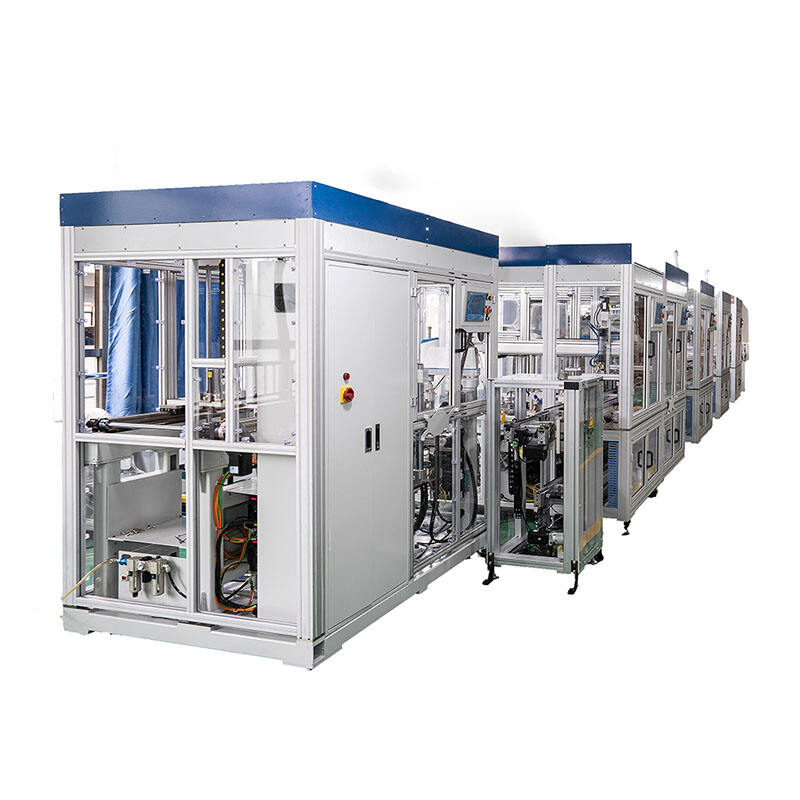
Modern motor manufacturing represents one of the most sophisticated examples of industrial automation and precision engineering in contemporary production environments. A motor production line transforms raw materials and individual components into fully functional electric motors through a series of carefully orchestrated processes that blend mechanical precision, automated handling, and quality control systems. Understanding how a motor production line operates provides valuable insights into the complexity of modern manufacturing and the technological innovations that enable high-volume production while maintaining consistent quality standards across thousands of units.
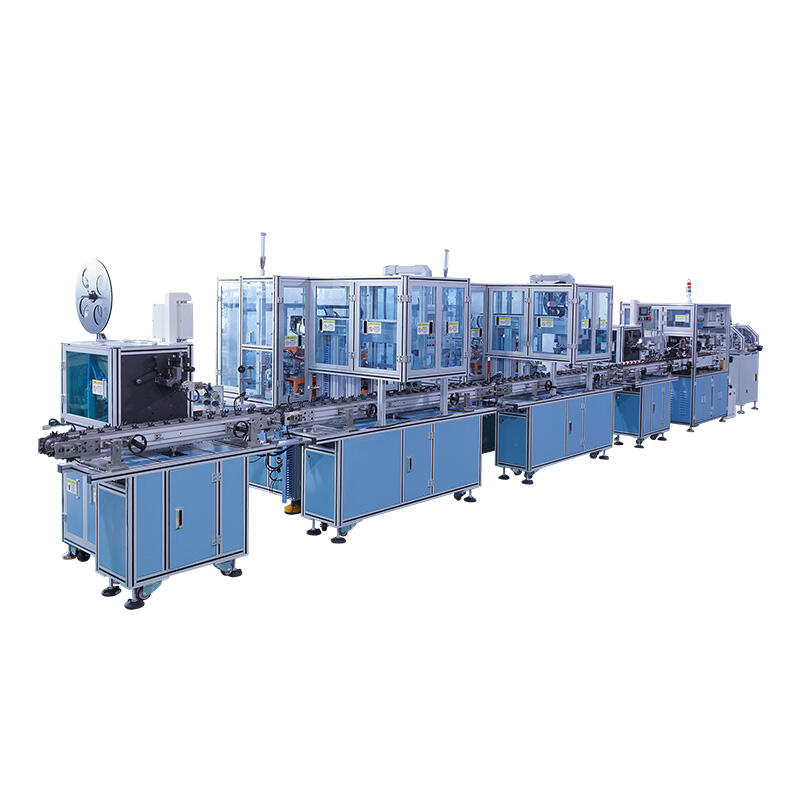
This comprehensive walkthrough examines each critical stage of a modern motor production line, from initial component preparation through final assembly and testing. Whether you are a manufacturing engineer seeking to optimize production processes, a procurement specialist evaluating supplier capabilities, or a business leader considering investment in motor manufacturing infrastructure, this detailed exploration will illuminate the technical requirements, workflow logic, and quality considerations that define contemporary motor production operations. The journey from individual components to completed motors reveals the intricate choreography of automated systems, human expertise, and precision machinery working in concert.
Component Preparation and Material Handling Systems
Incoming Material Inspection and Storage
The motor production line begins long before the first assembly operation takes place, with rigorous incoming material inspection protocols that establish quality standards from the outset. Raw materials such as copper wire, electrical steel laminations, bearing components, housing castings, and fasteners arrive at the facility and undergo dimensional verification, material composition analysis, and visual inspection to ensure compliance with engineering specifications. Advanced motor production line facilities employ automated optical inspection systems and coordinate measuring machines to verify critical dimensions on components like rotor shafts and stator housings, ensuring that only conforming materials enter the production workflow.
Material storage systems in modern motor production line environments utilize automated storage and retrieval systems that maintain precise inventory control while optimizing floor space utilization. These systems track component lot numbers, manufacturing dates, and quality certifications, enabling full traceability throughout the production process. Temperature and humidity-controlled storage areas protect sensitive materials such as insulation papers, adhesives, and electronic components from environmental degradation. The material handling infrastructure connects storage areas to production workstations through conveyor systems, automated guided vehicles, or overhead crane networks that deliver components just-in-time to assembly stations, minimizing work-in-process inventory while ensuring continuous material flow.
Component Pre-Processing Operations
Many components require pre-processing operations before they can enter the main assembly sequence of the motor production line. Stator and rotor laminations, for example, typically arrive as stacked assemblies that must be precisely aligned and bonded together through interlocking features, adhesive bonding, or welding processes. These lamination stacks form the magnetic cores of the motor and require extremely tight tolerances to ensure proper electromagnetic performance. Automated stacking machines position individual laminations with micron-level accuracy, while bonding presses apply controlled pressure and heat to create rigid lamination assemblies.
Similarly, copper wire used for motor windings undergoes preparation processes including diameter verification, insulation integrity testing, and tension control setup before entering winding machines. Housing components may require cleaning operations to remove machining oils, protective coatings, or debris that could interfere with subsequent assembly operations. The motor production line incorporates dedicated pre-processing cells that perform these preparatory operations in parallel with main assembly activities, ensuring that components arrive at assembly stations in ready-to-install condition. This parallel processing architecture maximizes overall equipment effectiveness and prevents bottlenecks at critical assembly stations.
Stator Assembly and Winding Operations
Automated Winding Technology
The stator winding process represents one of the most technically demanding operations in the motor production line, requiring precise placement of copper wire within stator slots according to specific winding patterns that determine the motor's electrical characteristics. Modern motor production line facilities employ programmable automatic winding machines that execute complex winding patterns with remarkable speed and consistency. These machines feature multiple wire-feeding needles that simultaneously insert wire into stator slots, following programmed paths that create the required phase windings, pole configurations, and connection schemes.
Winding technology selection depends on motor design specifications, with different approaches suited to various stator configurations. Needle winding machines excel at producing concentrated windings for brushless DC motors and permanent magnet synchronous motors, while flying fork winding machines efficiently create distributed windings for induction motors. The motor production line integrates these specialized winding machines with automated loading and unloading systems that position stator cores accurately for the winding operation and remove completed assemblies for subsequent processing. Tension control systems maintain consistent wire tension throughout the winding process, preventing loose turns or excessive stress that could compromise insulation integrity or electrical performance.
Insulation Application and Slot Closure
Following the winding operation, the motor production line incorporates insulation application processes that protect copper windings from electrical faults and mechanical damage. Insulation materials such as Nomex paper, polyester film, or epoxy-impregnated materials are inserted into stator slots before winding or applied over completed windings depending on the insulation system design. Automated insertion machines position slot liners with precision, ensuring complete coverage of slot walls and preventing contact between copper conductors and steel laminations that could create short circuits.
Slot closure operations secure winding ends within stator slots using wedges or closure caps that prevent wire movement during motor operation. The motor production line employs mechanical or pneumatic insertion tools that drive slot wedges into position with controlled force, achieving secure retention without damaging wire insulation. Some advanced motor production line configurations incorporate automated vision systems that verify proper insulation placement and slot closure completion before assemblies proceed to subsequent operations. These quality verification steps prevent defective assemblies from advancing through the production sequence, reducing scrap costs and maintaining high first-pass yield rates.
Winding Termination and Connection
The motor production line includes specialized workstations where winding lead wires are terminated and connected according to the motor's electrical configuration. Automated wire stripping machines remove insulation from lead wire ends, exposing clean copper conductors for termination operations. Lead wires are then formed into specific shapes and positions that facilitate connection to terminal blocks, connection boards, or internal star-point junctions. Some motor production line implementations utilize resistance welding or ultrasonic welding to create permanent electrical connections between phase windings, while others employ mechanical terminal blocks with screw or spring-cage connections.
Connection quality directly impacts motor reliability and electrical performance, making this operation a critical control point in the motor production line. Automated pull-testing equipment verifies connection mechanical strength, while resistance measurement systems confirm proper electrical continuity and phase balance. The motor production line documentation system records connection resistance values and pull-test results for each motor serial number, establishing traceability data that supports quality analysis and warranty claim investigation. This comprehensive data collection transforms the motor production line from a simple assembly operation into an intelligent manufacturing system that continuously monitors and improves product quality.
Rotor Assembly and Balancing Procedures
Rotor Core Assembly Methods
Rotor assembly operations within the motor production line vary significantly depending on motor type and design specifications. Induction motor rotors typically consist of lamination stacks with cast or inserted aluminum or copper conductor bars, while permanent magnet rotors require precise insertion and retention of magnetic materials. The motor production line incorporates dedicated assembly cells for each rotor type, equipped with specialized tooling and fixtures that ensure accurate component positioning and secure assembly.
For cast rotor assemblies, the motor production line includes die-casting machines that inject molten aluminum into rotor lamination cavities under high pressure, forming conductor bars and end rings in a single operation. This process requires precise temperature control and injection parameters to achieve complete cavity filling and proper metallurgical bonding with lamination steel. Permanent magnet rotor assembly involves automated magnet insertion machines that position magnetized or unmagnetized segments within rotor pockets, followed by adhesive bonding or mechanical retention features that prevent magnet displacement during high-speed operation. The motor production line maintains strict cleanliness standards during magnet handling operations, as ferromagnetic contamination can compromise magnetic circuit performance.
Shaft Assembly and Press-Fitting Operations
Rotor shaft assembly represents a critical precision operation within the motor production line, requiring careful control of interference fits and alignment tolerances. Hydraulic or mechanical press equipment applies controlled force to install rotor cores onto shafts, achieving interference fits that prevent relative motion between components during motor operation. The motor production line monitors press force continuously during installation, comparing actual force profiles against established acceptance windows that indicate proper fit achievement. Deviations from expected force curves trigger automatic rejection and investigation, preventing defective assemblies from advancing to subsequent operations.
Advanced motor production line implementations incorporate thermal assembly methods for shaft installation, heating rotor cores to create temporary clearance that allows slip-fit assembly before thermal contraction creates the required interference fit. This approach reduces installation stress and enables assembly of larger interference fits that would exceed press capacity limitations. Following shaft installation, the motor production line includes keyway broaching or drilling operations that create mechanical drive features for coupling attachment or auxiliary component mounting. Automated inspection systems verify keyway dimensions and position relative to magnetic pole locations, ensuring proper alignment between mechanical and magnetic references.
Dynamic Balancing Integration
Dynamic balancing constitutes an essential operation within the motor production line, correcting mass distribution asymmetries that would otherwise generate vibration and noise during motor operation. Rotor assemblies are mounted in precision balancing machines that spin the rotor at operating speed while measuring vibration amplitude and phase angle. The motor production line balancing equipment calculates correction mass locations and amounts, guiding material removal operations through drilling, milling, or grinding at specified rotor positions.
Modern motor production line balancing systems achieve residual unbalance levels below international standard requirements, typically targeting balance quality grades of G2.5 or better for premium motor applications. Automated material removal tools integrated within balancing machines execute corrections without manual intervention, reducing cycle time and eliminating operator variability. The motor production line data system records initial unbalance magnitude, correction locations, and final unbalance verification for each rotor assembly, creating quality records that demonstrate process capability and support continuous improvement initiatives. Some advanced motor production line configurations incorporate in-process balancing at multiple assembly stages, correcting unbalance incrementally as components are added rather than attempting final correction after complete assembly.
Final Assembly and Integration Processes
Bearing Installation and Lubrication
Bearing installation operations within the motor production line require precise control of installation temperature, force, and alignment to ensure proper bearing life and motor performance. The motor production line incorporates induction heating equipment that uniformly heats bearings to controlled temperatures, creating thermal expansion that allows slip-fit installation onto rotor shafts. Temperature monitoring systems prevent overheating that could compromise bearing material properties or lubricant integrity. Following thermal installation, cooling fixtures maintain bearing position and alignment as assemblies return to ambient temperature and interference fits develop.
Lubrication application represents another critical quality control point in the motor production line. Automated dispensing systems apply precise quantities of grease to bearing cavities, ensuring adequate lubrication for the motor's rated service life without overfilling that could generate excessive friction or seal damage. The motor production line employs gravimetric or volumetric dispensing technology that verifies lubricant quantity for each motor assembly, recording actual values against specified targets. For oil-lubricated designs, the motor production line includes filling stations with precise level control and contamination prevention features that maintain lubricant cleanliness standards.
Housing Assembly and Sealing Operations
The motor production line transitions from subassembly preparation to final housing integration, where stator assemblies, rotor assemblies with bearings, and housing components are combined into complete motor structures. Automated assembly stations position stator assemblies within motor housings, ensuring proper alignment of mounting features and connection access points. Press-fitting operations secure stators within housings through interference fits or mechanical fasteners, depending on design requirements. The motor production line incorporates torque-controlled fastening tools that apply specified tightening sequences and verify proper torque achievement for each fastener.
Sealing operations within the motor production line protect internal components from environmental contamination and moisture ingress. Gasket installation, O-ring placement, and sealant application are performed according to specified procedures that ensure proper seal compression and continuity. The motor production line may include automated gasket application systems that dispense formed-in-place gaskets with precise bead dimensions and placement accuracy. Housing closure operations bring together motor end shields, covers, and access plates, with alignment pins or features ensuring correct orientation. Vision systems verify gasket presence and position before final fastening operations commence, preventing assembly of motors with missing or misaligned seals.
Accessory Installation and Configuration
The motor production line incorporates workstations for installing motor accessories including cooling fans, terminal boxes, cable glands, and mounting hardware. Fan installation requires proper orientation relative to cooling air flow paths and secure attachment to rotor shafts or housing structures. The motor production line verifies fan installation with automated inspection systems that confirm component presence and proper positioning. Terminal box assembly includes installation of connection boards, terminal blocks, and protective covers, with automated wire routing systems organizing lead wires for efficient connection access.
For motors equipped with integrated sensors, encoders, or thermal protection devices, the motor production line includes specialized installation and calibration stations. Encoder mounting operations require precise alignment with rotor magnetic poles or mechanical references to ensure accurate position feedback. The motor production line incorporates calibration equipment that programs encoder offset values and verifies signal quality before motors proceed to final testing. Thermal sensor installation includes proper positioning within stator windings or bearing housings, with automated resistance measurement confirming sensor integrity and proper connection polarity.
Comprehensive Testing and Quality Validation
Electrical Performance Testing
The motor production line culminates in comprehensive testing operations that verify electrical performance, mechanical integrity, and safety characteristics before motors are released for shipment. Electrical testing begins with insulation resistance measurement, applying high voltage between windings and ground to verify insulation system integrity. The motor production line testing equipment applies test voltages according to motor voltage rating and insulation class, comparing measured resistance values against minimum acceptance thresholds. Automated test sequences prevent operator error and ensure consistent test application across all motor units.
No-load testing operations within the motor production line measure motor current, power consumption, and speed at rated voltage without mechanical load applied. These measurements verify proper magnetic circuit design, winding configuration, and mechanical assembly quality. Deviations from expected no-load current indicate potential issues such as winding short circuits, excessive air gap clearances, or bearing friction problems. The motor production line test system compares measured values against statistical process control limits derived from historical production data, identifying motors that fall outside normal variation patterns for detailed investigation.
Mechanical and Acoustic Validation
Vibration testing within the motor production line quantifies mechanical balance quality and bearing installation accuracy under operating conditions. Precision accelerometers measure vibration amplitude across multiple frequency bands while motors operate at rated speed. The motor production line test system analyzes vibration spectra to identify characteristic signatures of specific defect types, such as bearing defects, unbalance conditions, or magnetic asymmetries. Motors exhibiting vibration levels exceeding acceptance criteria are automatically diverted for detailed analysis and potential rework.
Acoustic testing operations measure sound pressure levels and analyze noise spectra to ensure motor noise characteristics meet specification requirements. The motor production line incorporates semi-anechoic test chambers that minimize background noise interference and enable accurate sound measurement. Automated test sequences operate motors through specified speed and load profiles while recording acoustic emissions. Advanced motor production line implementations employ artificial intelligence algorithms that classify noise characteristics and identify motors with abnormal acoustic signatures that may indicate assembly defects or component quality issues.
Functional and Endurance Testing
Selected motors from the motor production line undergo extended functional testing that simulates actual application conditions and verifies long-term reliability characteristics. Dynamometer test stands apply representative load profiles while monitoring motor temperature, efficiency, and performance parameters over extended operating periods. These endurance tests validate design assumptions and provide early warning of potential field reliability issues before they affect customer applications. The motor production line quality system uses endurance test results to update process control parameters and component specifications, driving continuous improvement in product reliability.
Final functional testing within the motor production line includes verification of all motor nameplate ratings and performance characteristics under controlled conditions. Temperature rise testing measures winding and bearing temperatures during operation at rated load, confirming that thermal performance meets design requirements and safety standards. Efficiency testing quantifies motor electrical and mechanical losses, verifying compliance with energy efficiency regulations and customer specifications. The motor production line test database stores complete test results for each motor serial number, creating a comprehensive quality record that supports traceability requirements and enables statistical analysis of production trends and process capability.
FAQ
What is the typical production capacity of a modern motor production line?
Modern motor production line capacity varies significantly based on motor size, complexity, and automation level. Small motor production lines producing fractional horsepower motors can achieve output rates of 500 to 1000 units per shift with high automation, while larger industrial motor production lines typically produce 50 to 200 units per shift. Production capacity depends on cycle times at bottleneck operations, changeover efficiency for different motor models, and overall equipment effectiveness. Advanced motor production line implementations achieve 85 to 95 percent overall equipment effectiveness through predictive maintenance, optimized changeover procedures, and real-time production monitoring systems.
How does a motor production line ensure consistent quality across high-volume production?
A motor production line maintains quality consistency through multiple integrated approaches including automated inspection at critical process steps, statistical process control monitoring of key parameters, and comprehensive end-of-line testing. Automated vision systems verify component presence and position throughout assembly operations, while in-process measurement systems confirm dimensional accuracy and electrical characteristics. The motor production line control system tracks process parameters in real-time, comparing actual values against control limits and triggering automatic adjustments or operator alerts when deviations occur. This combination of prevention, detection, and correction mechanisms ensures that quality issues are identified and addressed before defective products reach customers.
What are the key differences between motor production lines for different motor types?
Motor production line configuration varies substantially based on motor technology, with induction motor lines emphasizing rotor casting and squirrel cage fabrication, while permanent magnet motor lines require specialized magnet handling and magnetization equipment. Brushless DC motor production lines incorporate electronic controller assembly and programming operations not present in traditional induction motor lines. Universal motor production lines include brush and commutator manufacturing processes that are unique to that motor type. Despite these differences, all motor production lines share common elements including winding operations, bearing installation, testing procedures, and quality control systems, with specific equipment and process parameters adapted to each motor technology's unique requirements.
How do manufacturers balance automation and manual operations in motor production lines?
Modern motor production line design strategically allocates operations between automated and manual execution based on technical feasibility, economic justification, and quality requirements. High-volume repetitive operations with clear quality criteria such as winding, pressing, and fastening are typically automated to maximize consistency and throughput. Complex assembly operations requiring adaptability, judgment, or manipulation of flexible components may remain manual or use collaborative robot assistance. The motor production line optimization process continuously evaluates automation opportunities as technology capabilities advance and production volumes change, gradually increasing automation levels while maintaining workforce engagement in quality oversight, problem-solving, and continuous improvement activities.
Table of Contents
- Component Preparation and Material Handling Systems
- Stator Assembly and Winding Operations
- Rotor Assembly and Balancing Procedures
- Final Assembly and Integration Processes
- Comprehensive Testing and Quality Validation
-
FAQ
- What is the typical production capacity of a modern motor production line?
- How does a motor production line ensure consistent quality across high-volume production?
- What are the key differences between motor production lines for different motor types?
- How do manufacturers balance automation and manual operations in motor production lines?