 EN
EN

Original Equipment Manufacturers (OEMs) in industrial sectors face critical decisions when specifying components for transmission systems, particularly when selecting worm shafts that will determine the operational efficiency and longevity of their machinery. The specification process requires a comprehensive understanding of mechanical properties, dimensional tolerances, material characteristics, and application-specific requirements that directly impact system performance. Modern industrial applications demand precise engineering solutions where worm shafts serve as fundamental components in power transmission assemblies, requiring careful consideration of load capacities, speed ratios, and environmental operating conditions. The complexity of specifying these components has evolved significantly with advancing manufacturing technologies and increasingly stringent performance standards across various industries.
Understanding Worm Shaft Fundamentals in Industrial Applications
Basic Mechanical Principles and Design Considerations
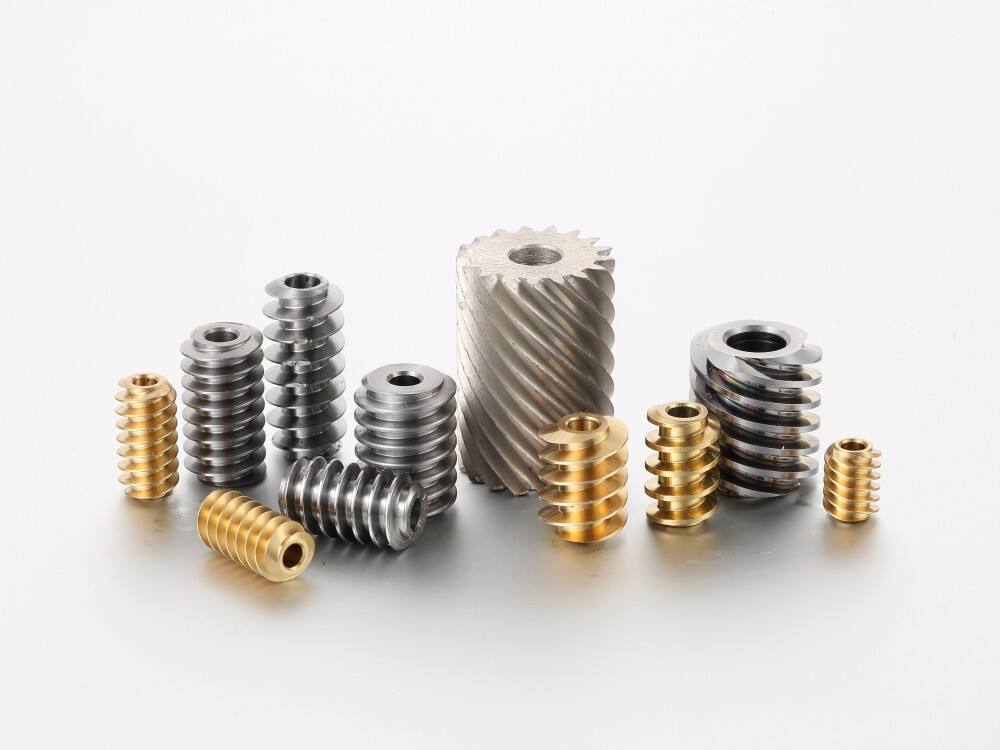
Worm shafts operate on the principle of helical gear reduction, where the threaded shaft meshes with a worm wheel to achieve significant speed reduction and torque multiplication. The geometric relationship between the shaft pitch, lead angle, and thread configuration determines the mechanical advantage and efficiency characteristics of the complete transmission system. OEM engineers must carefully evaluate these fundamental parameters to ensure optimal performance within their specific application requirements. The helix angle directly influences the self-locking properties of worm shafts, making them particularly suitable for applications requiring mechanical advantage retention without external braking systems.
Material selection plays a crucial role in worm shaft performance, with hardened steel compositions offering superior wear resistance and load-bearing capabilities compared to softer alternatives. The surface finish quality and dimensional accuracy of worm shafts significantly impact mesh efficiency, noise generation, and overall system reliability throughout extended operational cycles. Advanced manufacturing processes enable the production of precision-ground thread profiles that minimize backlash and maximize power transmission efficiency in demanding industrial environments.
Load Capacity and Torque Requirements Analysis
Determining appropriate load capacities for worm shafts requires comprehensive analysis of both static and dynamic loading conditions encountered during normal operation and peak demand scenarios. OEM buyers must consider the continuous duty ratings, intermittent load cycles, and potential shock loading that may occur within their specific application environments. The thread geometry and shaft diameter directly correlate with torque handling capabilities, necessitating careful calculation of safety factors to prevent premature failure or excessive wear patterns.
Thermal considerations become increasingly important in high-performance applications where continuous operation generates significant heat through friction losses at the worm and wheel interface. The thermal expansion characteristics of worm shafts must be compatible with housing materials and clearance specifications to maintain proper mesh engagement across varying temperature conditions. Advanced thermal analysis tools enable OEM engineers to predict operating temperatures and specify appropriate lubrication systems for optimal performance and component longevity.
Critical Specification Parameters for OEM Selection
Dimensional Tolerances and Manufacturing Standards
Precision manufacturing of worm shafts requires adherence to international standards such as AGMA, DIN, and ISO specifications that define dimensional tolerances, surface finish requirements, and quality control procedures. OEM buyers must specify appropriate tolerance classes based on their application precision requirements and cost considerations, balancing manufacturing complexity with performance expectations. The pitch accuracy and thread profile consistency directly impact mesh quality and operational smoothness throughout the component lifecycle.
Surface treatment specifications for worm shafts include various hardening processes, protective coatings, and precision grinding operations that enhance wear resistance and extend service life in demanding industrial environments. The selection of appropriate surface treatments depends on operating conditions, lubrication systems, and expected maintenance intervals specified by OEM design requirements. Quality assurance protocols ensure dimensional consistency and material properties meet specified standards before integration into transmission assemblies.
Material Properties and Environmental Compatibility
Material selection for worm shafts encompasses various steel alloys, each offering distinct advantages in terms of strength, hardness, corrosion resistance, and machinability characteristics. OEM engineers must evaluate the compatibility of shaft materials with mating gear components, lubrication systems, and environmental conditions to ensure optimal performance and reliability. High-carbon steel compositions provide excellent wear resistance, while alloy steels offer enhanced strength properties for heavy-duty applications requiring superior load-carrying capacity.
Corrosion resistance becomes a critical factor in applications exposed to moisture, chemical environments, or extreme temperature variations that may compromise material integrity over extended operational periods. Specialized coatings and surface treatments can significantly enhance the environmental compatibility of worm shafts while maintaining dimensional accuracy and surface finish requirements. The selection process must consider long-term exposure conditions and maintenance accessibility to ensure cost-effective operation throughout the component service life.
Application-Specific Requirements and Performance Optimization
Speed Reduction Ratios and Efficiency Considerations
The selection of appropriate speed reduction ratios for worm shafts depends on input speed characteristics, output torque requirements, and overall system efficiency targets established by OEM design specifications. High reduction ratios achievable with worm shaft configurations make them particularly suitable for applications requiring significant speed reduction in compact packaging arrangements. The relationship between lead angle and reduction ratio directly impacts system efficiency, with steeper angles generally providing higher efficiency at the expense of self-locking capabilities.
Efficiency optimization requires careful consideration of lubrication systems, operating temperatures, and mesh geometry to minimize power losses and maximize energy transmission effectiveness. Modern worm shafts incorporate advanced thread profiles and surface treatments designed to reduce friction coefficients and improve overall transmission efficiency in industrial applications. The balance between self-locking characteristics and operational efficiency represents a fundamental design trade-off that OEM engineers must evaluate based on specific application requirements and performance priorities.
Integration Challenges and Mounting Considerations
Successful integration of worm shafts into transmission systems requires careful attention to mounting arrangements, bearing selections, and housing design considerations that accommodate thermal expansion and operational loading conditions. OEM buyers must specify appropriate bearing types, lubrication provisions, and sealing arrangements to ensure reliable operation throughout the expected service life. The axial and radial loading characteristics of worm shafts influence bearing selection and housing design requirements for optimal performance and maintenance accessibility.
Alignment requirements for worm shafts demand precision assembly procedures and quality control measures to prevent premature wear, noise generation, and efficiency degradation throughout operational cycles. The mounting interface design must accommodate manufacturing tolerances while maintaining proper mesh engagement and load distribution across the gear interface. Advanced assembly techniques and measurement systems enable OEM manufacturers to achieve consistent alignment quality and performance characteristics in production environments.
Quality Control and Testing Protocols
Manufacturing Inspection Standards
Comprehensive quality control protocols for worm shafts encompass dimensional verification, material property testing, and surface finish evaluation to ensure compliance with specified requirements and industry standards. OEM buyers must establish clear acceptance criteria and inspection procedures that verify critical parameters affecting performance and reliability in their specific applications. Advanced measurement technologies enable precise evaluation of thread geometry, surface roughness, and dimensional accuracy throughout the manufacturing process.
Statistical process control methods provide valuable insights into manufacturing consistency and enable continuous improvement of production processes for enhanced quality and reliability. The implementation of rigorous quality systems ensures that worm shafts meet specified performance requirements while maintaining cost-effective manufacturing processes. Documentation and traceability systems support quality assurance efforts and enable rapid identification of potential issues affecting component performance or reliability.
Performance Validation and Testing Procedures
Performance testing of worm shafts involves comprehensive evaluation of load capacity, efficiency, noise levels, and wear characteristics under controlled laboratory conditions that simulate actual operating environments. OEM buyers may require specific testing protocols to validate component performance and ensure compatibility with their transmission system designs. Accelerated life testing provides valuable insights into long-term reliability and maintenance requirements for various operating conditions and load profiles.
Field testing and validation programs enable OEM manufacturers to verify component performance under actual operating conditions and identify potential improvements or modifications required for optimal system integration. The correlation between laboratory testing results and field performance data supports continuous product development efforts and enhances specification accuracy for future applications. Advanced monitoring systems provide real-time performance data that supports predictive maintenance programs and system optimization initiatives.
Supplier Selection and Procurement Strategies
Evaluating Manufacturing Capabilities
OEM buyers must carefully evaluate potential suppliers based on manufacturing capabilities, quality systems, delivery performance, and technical support resources available for worm shafts production and development activities. The assessment process should include facility audits, capability studies, and review of past performance records to ensure supplier qualification meets established requirements. Manufacturing flexibility and capacity scalability become important considerations for OEM buyers planning production volume increases or product line expansions requiring additional worm shafts supply.
Technical collaboration capabilities between OEM buyers and suppliers facilitate product development efforts and enable optimization of worm shafts designs for specific applications and performance requirements. The availability of engineering support services, prototype development capabilities, and design modification resources significantly impacts the success of new product development initiatives. Supplier investment in advanced manufacturing technologies and quality systems demonstrates commitment to continuous improvement and long-term partnership success.
Cost Optimization and Value Engineering
Effective cost optimization strategies for worm shafts procurement involve collaborative value engineering efforts that identify opportunities for design modifications, material substitutions, or manufacturing process improvements without compromising performance or reliability requirements. OEM buyers should work closely with suppliers to evaluate alternative approaches that may reduce total cost of ownership while maintaining specified quality standards. The consideration of lifecycle costs, including maintenance requirements and replacement intervals, provides a comprehensive framework for procurement decisions.
Volume consolidation strategies and long-term supply agreements can provide significant cost advantages while ensuring supply security for critical worm shafts requirements. The development of strategic supplier relationships enables collaborative improvement initiatives and shared investment in technology advancement that benefits both parties. Effective procurement strategies balance cost considerations with quality requirements, delivery performance, and supplier development objectives to achieve optimal value for OEM buyers.
FAQ
What are the most important factors OEMs should consider when specifying worm shafts?
The most critical factors include load capacity requirements, speed reduction ratios, efficiency targets, environmental operating conditions, and dimensional constraints within the transmission system. OEMs must also evaluate material compatibility, lubrication requirements, and maintenance accessibility to ensure optimal long-term performance. The integration of these factors requires comprehensive analysis of application-specific requirements and careful balance of performance characteristics with cost considerations.
How do material choices impact worm shaft performance and durability?
Material selection directly affects wear resistance, load-carrying capacity, corrosion resistance, and thermal stability of worm shafts throughout their operational lifecycle. High-carbon steels provide excellent hardness and wear characteristics, while alloy steels offer enhanced strength properties for heavy-duty applications. The compatibility between shaft materials and mating components, lubrication systems, and operating environments significantly influences overall system reliability and maintenance requirements.
What quality control measures should OEMs implement for worm shaft procurement?
Comprehensive quality control programs should include incoming inspection procedures, dimensional verification protocols, material property testing, and performance validation under simulated operating conditions. OEMs should establish clear acceptance criteria, implement statistical process control methods, and maintain detailed documentation systems for traceability and continuous improvement efforts. Regular supplier audits and performance monitoring ensure ongoing compliance with specified requirements and quality standards.
How can OEMs optimize the integration of worm shafts into existing transmission systems?
Successful integration requires careful attention to mounting arrangements, alignment procedures, bearing selections, and lubrication system design to accommodate operational loading and thermal expansion characteristics. OEMs should collaborate with suppliers during design phases to optimize component specifications for specific applications and ensure compatibility with existing system components. Advanced assembly techniques and precision measurement systems support consistent integration quality and performance optimization throughout production cycles.
Table of Contents
- Understanding Worm Shaft Fundamentals in Industrial Applications
- Critical Specification Parameters for OEM Selection
- Application-Specific Requirements and Performance Optimization
- Quality Control and Testing Protocols
- Supplier Selection and Procurement Strategies
-
FAQ
- What are the most important factors OEMs should consider when specifying worm shafts?
- How do material choices impact worm shaft performance and durability?
- What quality control measures should OEMs implement for worm shaft procurement?
- How can OEMs optimize the integration of worm shafts into existing transmission systems?