 EN
EN

Precision manufacturing demands exceptional attention to detail, particularly when sourcing critical components like worm shafts for industrial applications. Understanding the specific machining tolerances that impact performance becomes essential when procuring these components in bulk quantities. Manufacturing facilities across automotive, aerospace, and industrial machinery sectors rely heavily on consistent quality standards to maintain operational efficiency and product reliability.
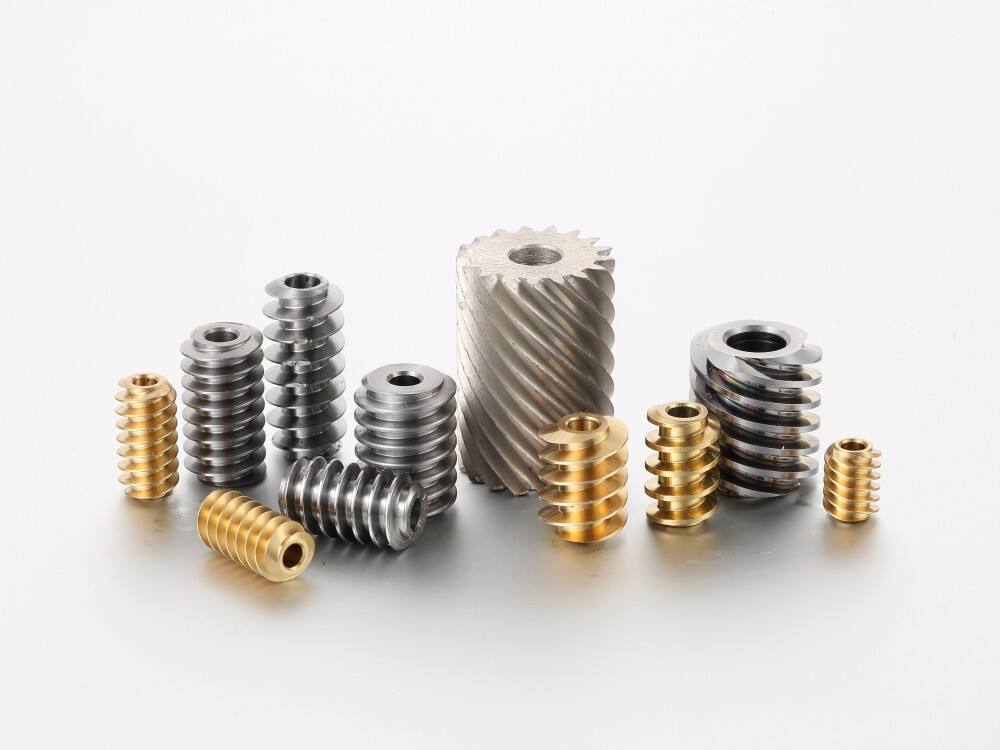
The complexity of worm shaft manufacturing requires careful consideration of multiple tolerance parameters that directly influence the final product's performance characteristics. Each tolerance specification plays a crucial role in determining how effectively these components integrate into larger mechanical systems. Bulk procurement decisions must account for these technical requirements while balancing cost considerations and delivery timelines.
Modern manufacturing environments increasingly demand tighter tolerances to achieve superior performance metrics and extended service life. When evaluating suppliers for large-volume worm shaft orders, procurement professionals must understand which tolerance specifications carry the greatest impact on operational success. This knowledge enables more informed decision-making throughout the sourcing process and helps establish meaningful quality benchmarks.
Critical Dimensional Tolerances for Worm Shaft Performance
Shaft Diameter Precision Requirements
Shaft diameter tolerances represent one of the most fundamental aspects of worm shaft manufacturing quality. The precision of the main shaft diameter directly affects bearing fit, rotational smoothness, and overall mechanical efficiency. Standard industrial applications typically require diameter tolerances within ±0.005 to ±0.010 inches, depending on the specific application requirements and operating conditions.
Manufacturing processes for achieving precise shaft diameters involve multiple machining stages, including rough turning, finish turning, and often grinding operations. Each stage contributes to the final dimensional accuracy, with grinding typically providing the tightest tolerances. When sourcing worm shafts in bulk, understanding these process capabilities helps establish realistic expectations for dimensional consistency across large production runs.
The relationship between shaft diameter tolerances and bearing selection cannot be overlooked during the sourcing process. Tighter diameter tolerances enable the use of precision bearings, which often provide superior performance characteristics but may increase overall component costs. Balancing these considerations requires careful analysis of the intended application requirements and performance expectations.
Thread Pitch Accuracy Standards
Thread pitch accuracy stands as another critical tolerance parameter for worm shafts used in precision gear systems. The consistency of thread pitch directly influences gear meshing characteristics, load distribution, and mechanical efficiency. Variations in thread pitch can create uneven loading conditions that lead to premature wear and reduced system performance.
Manufacturing facilities typically achieve thread pitch tolerances through precision thread cutting or grinding operations. The selection of manufacturing method often depends on the required tolerance level, production volume, and material characteristics. Thread grinding generally provides superior accuracy but requires additional processing time and specialized equipment capabilities.
Quality control procedures for thread pitch verification involve sophisticated measurement equipment capable of detecting minute variations across the entire thread length. When procuring worm shafts in bulk quantities, establishing clear thread pitch tolerance requirements and verification procedures helps ensure consistent quality throughout the production run.
Surface Finish Specifications and Their Impact
Roughness Parameters for Optimal Performance
Surface finish quality significantly influences the operational characteristics of worm shafts, particularly in applications involving high-speed rotation or precision positioning. The surface roughness of critical areas, including bearing journals and thread surfaces, directly affects friction characteristics, wear rates, and overall system efficiency. Standard industrial applications typically specify surface roughness values between 16 and 63 microinches Ra.
Achieving consistent surface finish quality across large production quantities requires careful control of machining parameters, tool selection, and cutting fluid management. Manufacturing facilities must maintain precise control over spindle speeds, feed rates, and cutting depths to ensure uniform surface characteristics. Advanced manufacturing operations often employ in-process monitoring systems to detect variations in surface finish quality before they impact the final product.
The relationship between surface finish quality and component performance becomes particularly important in high-precision applications. Smoother surface finishes generally provide improved bearing life, reduced noise levels, and enhanced efficiency. However, achieving superior surface finishes may require additional machining operations that increase production time and costs, factors that must be considered during bulk procurement decisions.
Heat Treatment Considerations
Heat treatment processes significantly impact the dimensional stability and performance characteristics of worm shafts throughout their service life. The thermal processing requirements must be carefully coordinated with machining tolerances to ensure final dimensions remain within specified limits after all manufacturing operations are complete. Understanding these interactions becomes crucial when sourcing components that must maintain precise tolerances over extended service periods.
Different heat treatment processes create varying degrees of dimensional change, requiring careful consideration during the manufacturing planning phase. Carburizing processes, commonly used for worm shafts requiring surface hardness, can introduce dimensional variations that must be accommodated through appropriate machining allowances. Similarly, through-hardening processes may create different distortion patterns that affect final component geometry.
Quality control procedures for heat-treated worm shafts must verify both dimensional accuracy and metallurgical properties. This dual requirement necessitates comprehensive testing protocols that evaluate hardness distribution, dimensional conformity, and microstructural characteristics. Bulk procurement specifications should clearly define these requirements and establish appropriate testing frequencies to ensure consistent quality.
Material Properties and Tolerance Relationships
Steel Grade Selection Impact
Material selection profoundly influences the achievable tolerances and manufacturing approaches for worm shafts in bulk production scenarios. Different steel grades exhibit varying machinability characteristics, thermal expansion coefficients, and dimensional stability properties that directly impact tolerance achievement. Carbon steels, alloy steels, and stainless steel grades each present unique considerations for precision manufacturing operations.
High-carbon steel grades commonly used for worm shafts offer excellent strength and wear resistance but may present challenges in maintaining tight tolerances due to their hardness characteristics. Manufacturing facilities must carefully select cutting tools, machining parameters, and cooling strategies to achieve consistent dimensional accuracy with these materials. The increased tool wear rates associated with harder materials can introduce gradual dimensional drift during extended production runs.
Alloy steel compositions provide enhanced strength properties while often maintaining good machinability characteristics. The presence of alloying elements can affect thermal expansion behavior and heat treatment response, factors that must be considered when establishing tolerance specifications. Bulk procurement decisions should account for these material-specific characteristics to ensure realistic tolerance expectations.
Dimensional Stability Over Time
Long-term dimensional stability represents a critical consideration for worm shafts intended for precision applications. The ability of these components to maintain their dimensional characteristics throughout their service life directly impacts system performance and maintenance requirements. Factors influencing dimensional stability include residual stress patterns, material composition, and manufacturing process history.
Stress relief operations play a crucial role in ensuring dimensional stability for worm shafts subjected to precision tolerance requirements. These thermal processes help eliminate residual stresses that could cause dimensional changes over time or under operating loads. Manufacturing facilities typically incorporate stress relief cycles into their production sequences to enhance long-term stability characteristics.
Quality assurance programs for dimensional stability often include accelerated aging tests or extended measurement periods to verify component stability characteristics. When sourcing worm shafts in bulk quantities, establishing clear stability requirements and verification procedures helps ensure consistent long-term performance across the entire production lot.
Quality Control and Inspection Protocols
Measurement Equipment Requirements
Effective quality control for worm shafts requires sophisticated measurement equipment capable of accurately evaluating critical dimensional and surface finish parameters. Coordinate measuring machines, surface profilers, and precision comparators represent essential tools for verifying tolerance conformity. The selection of appropriate measurement equipment directly influences the accuracy and reliability of quality control results.
Manufacturing facilities producing worm shafts for bulk applications must maintain calibrated measurement systems with appropriate resolution and accuracy capabilities. The measurement uncertainty should typically represent no more than 10% of the tolerance being verified, requiring high-precision instruments for tight tolerance applications. Regular calibration schedules and measurement system analysis procedures help ensure continued accuracy throughout production runs.
Statistical process control methodologies enable manufacturers to monitor tolerance trends and identify potential quality issues before they impact final product conformity. Control charts, capability studies, and correlation analysis provide valuable insights into process stability and improvement opportunities. Bulk procurement specifications should include requirements for statistical quality documentation to support ongoing quality assurance efforts.
Sampling and Testing Frequencies
Establishing appropriate sampling frequencies for worm shafts quality verification requires balancing statistical confidence requirements with practical production considerations. The sampling strategy must provide sufficient data to detect quality variations while avoiding excessive inspection costs that could impact overall project economics. Industry standards and application requirements typically guide the selection of appropriate sampling frequencies.
Risk-based sampling approaches consider the criticality of different tolerance parameters and adjust inspection frequencies accordingly. Critical dimensions affecting safety or performance may require 100% inspection, while less critical parameters might be verified through statistical sampling methods. This approach helps optimize quality control resources while maintaining appropriate confidence levels.
Documentation requirements for bulk worm shafts procurement typically include detailed inspection records, material certifications, and process control data. These records provide traceability and support quality investigations if performance issues arise during service. Clear documentation requirements should be established during the procurement specification development phase to ensure adequate record-keeping throughout production.
Cost Optimization Strategies for Bulk Sourcing
Tolerance Stack-Up Analysis
Understanding tolerance stack-up effects enables more intelligent decision-making when specifying requirements for bulk worm shafts procurement. Individual component tolerances combine statistically to create overall system tolerance bands that may be larger than individual component specifications. This analysis helps identify opportunities to relax certain tolerance requirements without compromising system performance.
Advanced tolerance analysis techniques, including Monte Carlo simulation and root-sum-of-squares calculations, provide insights into the statistical behavior of assembled systems. These methods help procurement professionals understand which tolerance parameters have the greatest impact on overall system performance and where specification relaxation might be possible without performance degradation.
The economic impact of tolerance requirements varies significantly across different manufacturing processes and production volumes. Tighter tolerances generally require more sophisticated manufacturing equipment, additional processing steps, and enhanced quality control procedures that increase production costs. Bulk procurement decisions should carefully balance tolerance requirements with cost considerations to optimize overall project value.
Supplier Capability Assessment
Evaluating supplier capabilities for worm shafts manufacturing requires comprehensive assessment of equipment capabilities, quality systems, and process control procedures. Manufacturing facilities must demonstrate the ability to consistently achieve specified tolerances throughout large production runs while maintaining appropriate quality documentation and traceability requirements.
Process capability studies provide quantitative evidence of a supplier's ability to meet tolerance requirements consistently. These studies evaluate the statistical relationship between process variation and specification limits, providing confidence metrics for quality performance. Procurement decisions should consider both short-term and long-term capability data to ensure sustainable quality performance.
Supply chain risk assessment becomes particularly important for bulk procurement projects where quality issues could impact large quantities of components. Diversification strategies, backup supplier identification, and contingency planning help mitigate risks associated with supplier performance variations or capacity limitations.
Advanced Manufacturing Considerations
Automation and Consistency
Modern manufacturing facilities increasingly rely on automated machining systems to achieve consistent tolerance performance across large production volumes. Computer numerical control systems, robotic material handling, and automated inspection equipment help minimize human variation factors that could impact dimensional consistency. These technological capabilities become particularly valuable for bulk worm shafts production where consistency is paramount.
Automated manufacturing systems provide enhanced capability for real-time process monitoring and adjustment, enabling rapid response to dimensional variations before they impact product quality. Statistical process control integration allows these systems to automatically adjust machining parameters to maintain optimal tolerance performance throughout production runs.
The implementation of Industry 4.0 technologies in worm shafts manufacturing enables enhanced traceability, predictive maintenance, and quality optimization. These capabilities provide valuable benefits for bulk procurement applications where long-term quality consistency and supply chain transparency are essential requirements.
Environmental Control Factors
Environmental conditions within manufacturing facilities significantly impact the achievable tolerances for precision worm shafts production. Temperature variations, humidity fluctuations, and vibration levels can all influence dimensional accuracy and surface finish quality. Manufacturing facilities producing components for tight tolerance applications must maintain controlled environmental conditions throughout production areas.
Temperature control becomes particularly critical for precision machining operations where thermal expansion effects could impact dimensional accuracy. Manufacturing facilities typically maintain machining areas within ±2°F to minimize thermal effects on both equipment and workpieces. Humidity control helps prevent corrosion issues and maintains consistent material properties throughout production processes.
Vibration isolation systems help ensure machining accuracy by minimizing external disturbances that could affect cutting tool performance or measurement accuracy. These systems become increasingly important for facilities producing worm shafts with tight tolerance requirements where minute variations could impact final quality.
FAQ
What are the most critical tolerances to specify when ordering worm shafts in bulk quantities
The most critical tolerances for bulk worm shafts orders include shaft diameter precision (typically ±0.005 to ±0.010 inches), thread pitch accuracy for proper gear meshing, and surface finish specifications ranging from 16 to 63 microinches Ra. These parameters directly impact bearing fit, mechanical efficiency, and overall system performance, making them essential considerations for procurement specifications.
How do material choices affect achievable tolerances in worm shaft manufacturing
Material selection significantly influences tolerance achievement, with harder materials like high-carbon steels presenting greater challenges for tight tolerance manufacturing due to increased tool wear and machining difficulty. Alloy steels often provide the best balance of strength properties and machinability for precision applications, while material thermal expansion coefficients must be considered for components requiring long-term dimensional stability.
What quality control measures should be required for bulk worm shafts procurement
Effective quality control for bulk worm shafts should include statistical process control monitoring, coordinate measuring machine verification of critical dimensions, surface finish measurement using calibrated profilers, and material certification documentation. Sampling frequencies should be risk-based, with critical dimensions potentially requiring 100% inspection while less critical parameters can use statistical sampling methods.
How can procurement costs be optimized while maintaining necessary quality standards
Cost optimization strategies include conducting tolerance stack-up analysis to identify opportunities for specification relaxation, performing supplier capability assessments to ensure realistic requirements, and implementing risk-based quality control approaches that focus resources on critical parameters. Understanding the statistical relationship between individual tolerances and system performance enables more intelligent specification decisions that balance cost and quality requirements.
Table of Contents
- Critical Dimensional Tolerances for Worm Shaft Performance
- Surface Finish Specifications and Their Impact
- Material Properties and Tolerance Relationships
- Quality Control and Inspection Protocols
- Cost Optimization Strategies for Bulk Sourcing
- Advanced Manufacturing Considerations
-
FAQ
- What are the most critical tolerances to specify when ordering worm shafts in bulk quantities
- How do material choices affect achievable tolerances in worm shaft manufacturing
- What quality control measures should be required for bulk worm shafts procurement
- How can procurement costs be optimized while maintaining necessary quality standards