 EN
EN
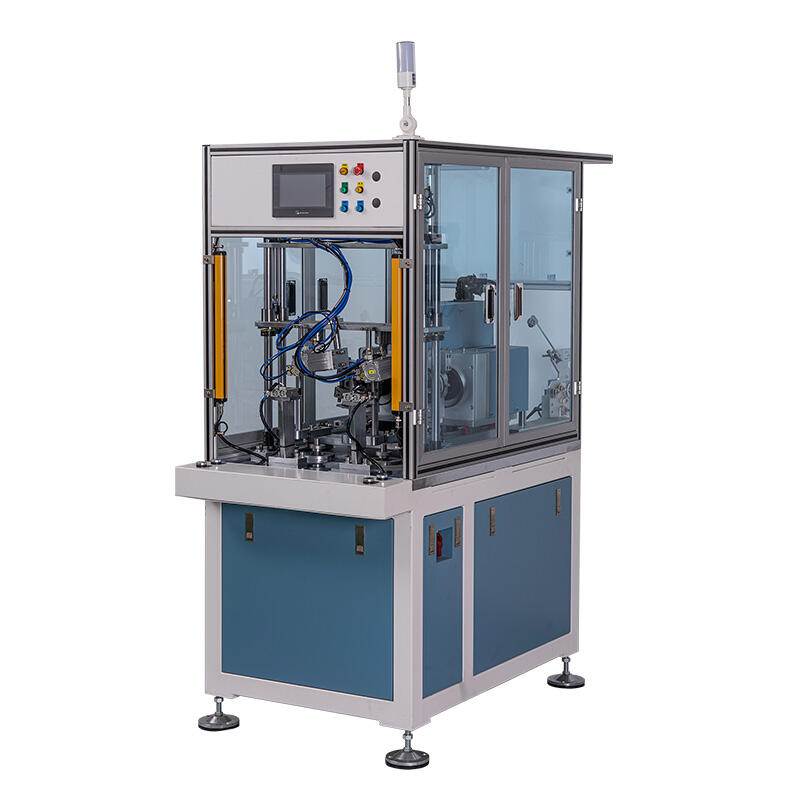
Szybki postęp technologii bezzałogowych statków powietrznych (UAV) stawia nadzwyczaj wysokie wymagania wobec silników elektrycznych napędzających te statki. W centrum każdego wysokowydajnego silnika UAV znajduje się precyzyjnie nawinięty stator, a jakość tego nawinięcia jest praktycznie w całości uzależniona od Maszyny do uzwojenia stojanów wykorzystywanego w produkcji sprzętu. Wybór odpowiedniego wyposażenia nie jest drobną decyzją zakupową — ma bezpośredni wpływ na sprawność silnika, jego zachowanie termiczne, czas trwania lotu oraz ogólną niezawodność platformy UAV.
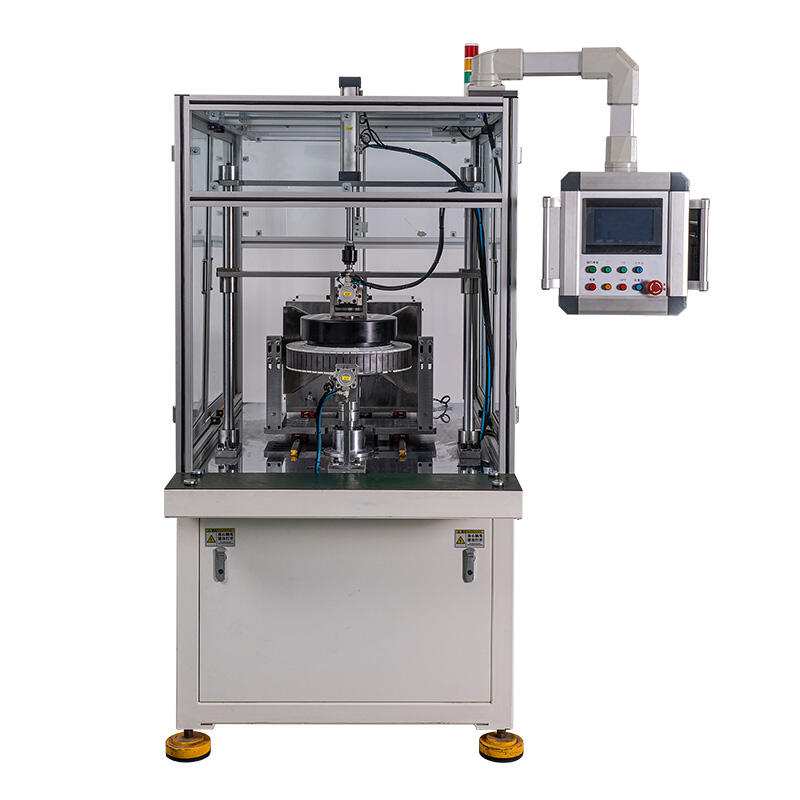
Wybór maszyn do uzwojenia stojana do produkcji silników do bezzałogowych statków powietrznych (UAV) różni się zasadniczo od wyboru sprzętu do konwencjonalnych silników przemysłowych. Silniki UAV — w szczególności silniki prądu stałego bezszczotkowe (BLDC) — działają w warunkach skrajnych ograniczeń masy, bardzo wysokich prędkości obrotowych oraz wymagających warunków cieplnych. Maszyny do uzwojenia muszą zapewniać bardzo ścisłe tolerancje, stałe napięcie przewodu oraz bezproblemowe użycie przewodów o nadzwyczaj małej grubości. W niniejszym artykule omówione są kluczowe kryteria wyboru, rodzaje maszyn, aspekty techniczne oraz typowe pułapki, które pomogą producentom podjąć dobrze uzasadzoną decyzję.
Zrozumienie unikalnych wymagań stojanów silników UAV
Dlaczego silniki UAV wymagają specjalistycznej precyzji uzwojenia
Silniki UAV są zaprojektowane do działania w warunkach o niezwykle wysokich wymogach. W przeciwieństwie do silników stosowanych w przemysłowych pompach lub systemach transportujących, silniki UAV muszą zapewniać maksymalne stosunki momentu obrotowego do masy, minimalne straty miedziowe oraz spójną wydajność w szerokim zakresie prędkości obrotowej (RPM). Każde zwojenie drutu w uzwojeniu stojana przyczynia się do osiągnięcia tych celów, co oznacza, że maszyny do uzwojenia stojanów stosowane w tej aplikacji muszą osiągać poziom precyzji, który w innych kontekstach produkcji silników uznawany byłby za nadmierny.
Gęstość uzwojenia bezpośrednio wpływa na sprawność silnika i generowanie ciepła. Źle nawinięty stojan wprowadza nierównomierną rezystancję między biegunami, wytwarza niezrównoważone pola magnetyczne i zwiększa ryzyko powstawania lokalnych gorących punktów, które z czasem degradują izolację. Dla producentów bezzałogowych statków powietrznych (UAV) nie są to abstrakcyjne kwestie inżynieryjne – przekładają się one bezpośrednio na skrócenie czasu lotu, zmniejszenie udźwigu i zwiększone ryzyko zderzenia. Wybrane maszyny do nawijania stojana muszą zatem gwarantować powtarzalność w każdej jednostce produkcyjnej.
W kompaktowych statorach silników dronów (UAV) często stosuje się bardzo cienkie przewody, czasem o średnicy nawet 0,1 mm. Obsługa napięcia przewodu, zapobieganie jego skręcaniu oraz zapewnienie jednolitej geometrii cewek w takich skalach wymaga serwonapędowych systemów regulacji napięcia oraz precyzyjnych mechanizmów uzwojenia typu „flyer” lub igłowego. Nie wszystkie platformy maszyn do uzwojenia statorów są zaprojektowane tak, aby działać niezawodnie na tym poziomie delikatności.
Charakterystyczne cechy konstrukcyjne stojanów silników BLDC przeznaczonych do zastosowań w bezzałogowych statkach powietrznych (UAV)
Większość silników stosowanych w bezzałogowych statkach powietrznych (UAV) wykorzystuje konstrukcje BLDC z zewnętrznym wirnikiem, w których wirnik otacza stojan. Konfiguracja ta jest preferowana, ponieważ pozwala na uzyskanie większego średnicy wirnika w stosunku do masy silnika, co poprawia moment obrotowy bez zwiększania masy. Jednak geometria wirnika zewnętrznego oznacza, że stojan ma zębatą strukturę skierowaną na zewnątrz, a maszyna do nawijania musi zapewniać dostęp do nawijania od zewnątrz, a nie do wnętrza – w przeciwieństwie do typowej geometrii silników konwencjonalnych.
Bieguny stojana w silnikach BLDC przeznaczonych do bezzałogowych statków powietrznych (UAV) są często wąskie i blisko siebie położone, a ciasne otwory uzwojeniowe ograniczają swobodę ruchu główek uzwojenia. Maszyny do uzwojenia stojanów zaprojektowane do pracy z takimi stojanami muszą być wyposażone w zwarte głowice narzędziowe, zapewniać dokładną kontrolę pozycji oraz umożliwiać uzwojenie wielu żłobków bez zakłócania już wykonanych cewek. Platformy uzwojeniowe z dwoma lub wieloma stanowiskami są szczególnie przydatne w tym przypadku, ponieważ pozwalają na jednoczesne uzwojenie przeciwnych biegunów, co poprawia zarówno wydajność procesu, jak i symetrię pola magnetycznego.
Zgodność materiałową stanowi kolejny aspekt konstrukcyjny. Blachy stojana UAV są zazwyczaj wykonywane ze stali krzemowej wysokiej klasy, przy użyciu bardzo cienkich pakietów blach w celu zmniejszenia strat wirnikowych. Systemy zaciskowe i uchwyty maszyn do uzwojenia stojanów muszą solidnie trzymać te delikatne blachy bez ich odkształcenia lub uszkodzenia powierzchni, ponieważ wszelkie naprężenia mechaniczne działające na pakiet blach wpływają na obwód magnetyczny i sprawność silnika.
Kluczowe kryteria wyboru maszyn do nawijania uzwojeń stojana w produkcji dronów (UAV)
Zakres średnicy przewodu i możliwość regulacji napięcia
Jednym z pierwszych parametrów technicznych, które należy ocenić przy wyborze maszyn do nawijania uzwojeń stojana, jest obsługiwany zakres średnicy przewodu. Uzwojenia stojanów silników dronów (UAV) zwykle wykorzystują przewód magnetyczny o średnicy od 0,08 mm do 0,5 mm. Maszyny, które nie są w stanie niezawodnie obsługiwać najcieńszych przewodów z dolnego końca tego zakresu, powodują wąskie gardła produkcyjne oraz niestabilność jakości, ponieważ konstrukcje silników ewoluują w kierunku wyższej sprawności i mniejszych rozmiarów.
Kontrola napięcia jest nieodłączna od możliwości regulacji średnicy przewodu. W miarę jak średnica przewodu maleje, dopuszczalny zakres napięcia znacznie się zawęża. Maszyny do uzwojenia stojana z zamkniętą pętlą sterowania napięciem za pomocą serwonapędu — a nie prostego hamowania mechanicznego — zapewniają precyzję sprzężenia zwrotnego niezbędną do utrzymania stałego napięcia w każdej fazie uzwojenia. Przekłada się to na bardziej jednolite wypełnienie cewek, lepsze wykorzystanie żłobków oraz zmniejszone ryzyko przerwania przewodu podczas wysokoprędkościowych operacji uzwojeniowych.
Producenci powinni również ocenić, jak system napięcia reaguje na zmiany prędkości podczas uzwojenia. Fazy przyspieszania i hamowania na początku i końcu każdej fazy uzwojenia są typowymi punktami awarii stabilności napięcia. Wysokiej klasy maszyny do uzwojenia stojana wykorzystują inteligentne algorytmy profilowania prędkości do dynamicznej regulacji napięcia, zapobiegając luzowi przewodu lub nagłym skokom nadmiernego napięcia, które mogłyby zdeformować geometrię cewki lub uszkodzić izolację emaliową przewodu.
Konfiguracja głowicy uzwojeniowej i sterowanie wieloosiowe
Projekt mechaniczny głowicy nawijającej określa, z jaką dokładnością przewód może być umieszczany w żłobkach stojana oraz jak wydajnie proces nawijania kończy poszczególne uzwojenia. W przypadku stojanów silników do dronów (UAV), które często mają 9, 12 lub 18 żłobków o wymagającej geometrii, głowica nawijająca musi łączyć zwartą konstrukcję fizyczną z wysoką dokładnością pozycjonowania. Maszyny do nawijania stojanów wykorzystujące wieloosiowe głowice sterowane CNC zapewniają elastyczność dostosowania się do różnych konfiguracji stojanów bez konieczności dokonywania obszernych zmian narzędzi.
Konfiguracje nawijania zewnętrznego — w których głowica nawijająca działa na zewnętrznej stronie stojana z biegunami skierowanymi na zewnątrz — są specjalnie dopasowane do geometrii silników prądu stałego bezszczotkowych (BLDC) stosowanych w dronach (UAV). Przy ocenie maszyn do nawijania stojanów należy upewnić się, że urządzenie zostało zaprojektowane lub jest konfigurowalne do wykonywania operacji nawijania zewnętrznego, a nie zakładać, że standardowe narzędzia do nawijania wewnętrznego można łatwo przystosować. Różnice w trasie przewodu, geometrii napięcia oraz programowaniu pozycji są na tyle istotne, że znacząco wpływają na jakość końcowego produktu.
Maszyny wielostanowiskowe, takie jak konstrukcje dwustanowiskowe, pozwalają na jednoczesną pracę dwóch główek nawijających na przeciwnych biegunach tego samego statora. Takie podejście nie tylko podwaja wydajność w porównaniu do maszyn jednogłowicowych, ale także poprawia symetrię nawijania, ponieważ obie cewki powstają w identycznych warunkach i w tym samym czasie. Dla producentów silników do dronów (UAV), dla których priorytetem są spójność i duża objętość produkcji, wielostanowiskowe maszyny do nawijania statorów stanowią uzasadnioną inwestycję.
Programowalność, przechowywanie receptur oraz efektywność przełączania
Producenci silników do dronów (UAV) rzadko produkują tylko jedną wersję silnika w całej swojej ofercie. Różne platformy UAV — od dronów wyścigowych po systemy dostawcze i urządzenia do inspekcji — wymagają silników o różnych mocach znamionowych, rozmiarach obudowy oraz konfiguracjach nawinięć. Dlatego też maszyny do nawijania statorów muszą zapewniać elastyczne programowanie oraz szybkie przełączanie między różnymi wariantami silników bez konieczności dokonywania obszernych rekonfiguracji mechanicznych.
Nowoczesny Maszyny do uzwojenia stojanów platformy oferują systemy sterowania oparte na przepisach, w których wszystkie parametry nawijania — w tym układ przewodu, liczba zwojów cewki, ustawienia napięcia, profile prędkości oraz położenie głowicy — są przechowywane cyfrowo i mogą być natychmiast odzyskane. Ta funkcja eliminuje błędy ludzkie podczas przełączania produkcji i zapewnia, że każda seria produkcyjna rozpoczyna się od zweryfikowanej bazy odniesienia. Dla producentów, którzy mają w aktywnej produkcji dziesięć lub więcej modeli silników, taka programowalność nie jest luksusem, lecz kluczowym wymogiem operacyjnym.
Czas przełączania się między seriami stanowi bezpośredni czynnik kosztowy w środowiskach wielowariantowej produkcji. Maszyny do uzwojenia stojana zaprojektowane z systemami szybkozamienialnych narzędzi, modułowymi uchwytami oraz standardowymi punktami interfejsu dla różnych konstrukcji stojanów pozwalają skrócić czas przełączania z godzin do minut. W skali roku produkcyjnego ta efektywność kumuluje się w istotne zyski pojemnościowe oraz obniżenie kosztów pracy.
Ocenianie wskaźników wydajności maszyny związanych z jakością silników do bezzałogowych statków powietrznych (UAV)
Spójność oporu cewki i współczynnik wypełnienia żłobków
Dwa wskaźniki określają jakość elektryczną nawiniętego stojana: spójność oporu cewek we wszystkich biegunach oraz współczynnik wypełnienia żłobków. W silnikach do dronów (UAV) zmienność oporu pomiędzy poszczególnymi biegunami powoduje bezpośrednio pulsacje momentu obrotowego, wibracje oraz niestabilny rozkład prądu podczas pracy. Maszyny do uzwojenia stojanów zapewniające ścisłą tolerancję oporu między poszczególnymi cewkami — zazwyczaj w granicach ±1% w zastosowaniach precyzyjnych — są niezbędne do produkcji silników spełniających standardy wydajnościowe dla dronów.
Współczynnik wypełnienia żłobków określa, jak efektywnie dostępna powierzchnia przekroju poprzecznego żłobka jest zajmowana przez przewód miedziany. Wyższe współczynniki wypełnienia redukują opór uzwojenia, poprawiają odprowadzanie ciepła oraz zwiększają gęstość mocy silnika — wszystkie te parametry są kluczowe w projektowaniu silników do dronów. Uzyskanie wysokiego współczynnika wypełnienia w sposób powtarzalny wymaga maszyn do uzwojenia stojanów wyposażonych w precyzyjną kontrolę układania przewodu, dokładne systemy prowadzenia przewodu oraz narzędzia dopasowane geometrycznie do konkretnego profilu żłobków stojana.
Producenci powinni zażądać demonstracji nawijania na próbkach przed ostatecznym wybraniem sprzętu. Przeprowadzenie testu maszyny do nawijania stojanów na reprezentatywnych rdzeniach stojanów z rzeczywistą średnicą przewodu i specyfikacją nawijania zaplanowaną do produkcji zapewnia bezpośredni dowód osiągalnej jednolitości oporu oraz współczynników wypełnienia, a nie tylko poleganie na specyfikacjach podanych przez producenta.
Wydajność produkcji i optymalizacja czasu cyklu
Wymagania dotyczące wydajności różnią się znacznie w zależności od tego, czy maszyna do nawijania stojanów jest stosowana w fazie rozwoju prototypów, małoseryjnej produkcji czy produkcji masowej. Producentom silników do dronów należy porównać swoje obecne i prognozowane objętości produkcji z deklarowanym czasem cyklu maszyny przypadającym na jeden stojan oraz określić, czy dla ich skali bardziej odpowiednia jest konfiguracja jednostanowiskowa czy wielostanowiskowa.
Optymalizacja czasu cyklu w maszynach do uzwojenia stojana polega na zrównoważeniu prędkości uzwojenia z osiąganymi wynikami jakościowymi. Zbyt szybkie uzwojenie niesie ryzyko niestabilności napięcia przewodu, złej geometrii cewek oraz wyższego odsetka wad. Zbyt wolne uzwojenie zmniejsza wydajność i podnosi koszt jednostkowy. Maszyny wyposażone w inteligentną kontrolę prędkości, która automatycznie dostosowuje się, aby utrzymać określone progi jakości przy jednoczesnym maksymalizowaniu przepustowości, spełniają oba te wymagania i są szczególnie wartościowe w środowiskach produkcyjnych, w których specyfikacje silników zmieniają się często.
Długoterminowa dostępność wsparcia technicznego, części zamiennych oraz aktualizacji oprogramowania dla maszyn do uzwojenia stojana stanowi również czynnik wpływający na przepustowość, który często jest niedostatecznie uwzględniany podczas początkowego wyboru sprzętu. Przestoje maszyn w linii produkcyjnej silników do dronów (UAV) powodują skutki łańcuchowe w harmonogramach montażu oraz zobowiązań dostawczych. Priorytetowe traktowanie dostawców oferujących szybkie wsparcie techniczne oraz lokalne usługi serwisowe ogranicza ryzyko długotrwałych przerw w produkcji.
Integracja z przepływem pracy produkcyjnym silników dla UAV
Zgodność z procesami w górnej i dolnej części linii technologicznej
Maszyny do uzwojenia statora nie działają w izolacji — są wbudowane w szerszy przepływ produkcyjny obejmujący układanie laminacji, wkładanie wkładek w żłobki, uzwojenie, zakończenie przewodów wyprowadzeniowych, nasycenie lakierem izolacyjnym oraz końcową montażową składkę. Dobór sprzętu musi uwzględniać sposób, w jaki maszyna do uzwojenia współdziała z procesami poprzedzającymi i następującymi po niej. Wymiary uchwytów do mocowania statora, długość i trasowanie przewodów wyprowadzeniowych oraz geometria zakończeń cewek muszą być zgodne z kolejnymi etapami obróbki.
Niektóre platformy maszyn do uzwojenia statora oferują zintegrowane funkcje cięcia i kształtowania przewodów wyprowadzeniowych, co zmniejsza konieczność ręcznego manipulowania elementami między etapami uzwojenia a zakończenia. Taka integracja redukuje ryzyko uszkodzenia cewek podczas przenoszenia między poszczególnymi etapami procesu oraz skraca całkowity czas montażu statora. W liniach produkcyjnych silników dla UAV, gdzie koszty kontroli jakości są wysokie, ograniczanie liczby punktów ręcznego kontaktu stanowi istotną korzyść zarówno jakościową, jak i kosztową.
Zgodność z systemami automatyzacji staje się coraz ważniejsza w produkcji silników do UAV wraz ze wzrostem objętości produkcji. Maszyny do uzwojenia statorów wyposażone w standardowe punkty interfejsu robota, opcje załadunku i rozładowania za pomocą taśmociągów oraz protokoły cyfrowej komunikacji zgodne z systemami MES (Manufacturing Execution Systems) umożliwiają bezproblemową integrację w komórkach produkcyjnych zautomatyzowanych bez konieczności kosztownego inżynierii niestandardowej.
Weryfikacja jakości i śledzenie danych podczas uzwojenia
W zastosowaniach UAV klasy lotniczej śledzenie jakości od komponentu do gotowego silnika nie jest opcją — jest wymogiem regulacyjnym i oczekiwaniem klientów. Maszyny do uzwojenia statorów rejestrujące parametry produkcji — w tym dane dotyczące napięcia przewodu, liczbę zwojów cewki, pomiary rezystancji oraz profile prędkości uzwojenia — dla każdego wyprodukowanego statora zapewniają podstawę danych niezbędną do zapewnienia jakości i zgodności z wymogami śledzenia.
Zintegrowane testy oporności na końcu każdego cyklu nawijania to funkcja, którą coraz częściej oferują zaawansowane platformy maszyn do nawijania stojanów. Pozwala to na identyfikację uszkodzonych stojanów i ich usunięcie z przepływu produkcyjnego jeszcze przed dodaniem wartości w kolejnych etapach, takich jak nasycanie i montaż, co znacznie obniża koszty ponownej obróbki. Dla producentów silników do dronów (UAV) zobowiązań się do jakości bezbłędnej (zero defektów), ta możliwość weryfikacji inline stanowi istotny kryterium wyboru.
Możliwości eksportu danych pozwalają na integrację zapisów procesu nawijania z szerszymi systemami zarządzania jakością, zapewniając śledzalność od indywidualnych numerów seryjnych stojanów aż po końcowe wyniki testów silników. W miarę jak wymagania certyfikacyjne dotyczące dronów (UAV) stają się coraz surowsze na całym świecie, producenci inwestujący w maszyny do nawijania stojanów wyposażone w solidne systemy zarządzania danymi będą lepiej przygotowani zarówno do spełnienia wymogów prawnych, jak i do audytów klientów.
Często zadawane pytania
Jaki typ maszyn do nawijania stojanów jest najlepiej dopasowany do silników UAV BLDC z zewnętrznym wirnikiem?
Maszyny do nawijania zewnętrznego przeznaczone specjalnie do geometrii stojana z biegunami zewnętrznymi są najbardziej odpowiednim sprzętem do nawijania stojanów dla silników BLDC z zewnętrznym wirnikiem stosowanych w dronach bezzałogowych (UAV). Maszyny te są wyposażone w głowice nawijające ustawione tak, aby zbliżać się do zębów stojana od zewnątrz, co odpowiada geometrycznej konstrukcji silników BLDC powszechnie stosowanych w aplikacjach UAV. Maszyny do nawijania zewnętrznego z dwoma stanowiskami dalszym stopniem poprawiają symetrię i wydajność, umożliwiając jednoczesne nawijanie przeciwległych biegunów.
W jaki sposób kontrola napięcia przewodu w maszynach do nawijania stojanów wpływa na jakość silników UAV?
Naprężenie drutu bezpośrednio wpływa na geometrię cewki, szybkość wypełniania żłobków oraz integralność izolacji emaliowanej na przewodzie nawojowym. Nierównomierne naprężenie w maszynach do uzwojeń stojanów prowadzi do nierównomiernego naprężenia warstw uzwojeń, zmiennej rezystancji na biegunach i zwiększonego ryzyka uszkodzenia izolacji – wszystko to pogarsza wydajność i żywotność silników bezzałogowych statków powietrznych. Układy naprężania w pętli zamkniętej sterowane serwomechanizmem są preferowanym rozwiązaniem zapewniającym precyzyjne naprężenie drutu o cienkich średnicach stosowanego w stojanach bezzałogowych statków powietrznych.
Czy maszyny do uzwojeń stojana mogą obsługiwać wiele wariantów silników UAV na jednej linii produkcyjnej?
Tak, nowoczesne maszyny do uzwojeń stojana wyposażone w cyfrowe systemy sterowania oparte na recepturach pozwalają obsługiwać wiele wariantów silników na jednej linii produkcyjnej. Parametry uzwojenia dla każdego wariantu silnika są przechowywane jako cyfrowe receptury i mogą być natychmiast wywoływane, co minimalizuje czas przełączania oraz eliminuje błędy związane z ręcznym ustawianiem. Ta elastyczność jest kluczowa dla producentów silników UAV, którzy wytwarzają różnorodne specyfikacje silników przeznaczonych dla różnych platform UAV.
Jaka objętość produkcji uzasadnia inwestycję w wielostanowiskowe maszyny do nawijania stojanów dla silników dronów (UAV)?
Wielostanowiskowe maszyny do nawijania stojanów stają się opłacalne pod względem ekonomicznym, gdy objętość produkcji przekracza wydajność urządzeń jednostanowiskowych lub gdy wymagania dotyczące symetrii nawijania wymuszają jednoczesne nawijanie wielu biegunów ze względu na jakość, a nie wyłącznie ze względu na szybkość. Dla większości komercyjnych producentów silników do dronów (UAV), którzy produkują ponad kilkaset stojanów tygodniowo, połączenie zwiększonej wydajności, spójności jakości oraz obniżenia kosztów pracy zwykle zapewnia korzystny zwrot z dodatkowej inwestycji w wielostanowiskowe maszyny do nawijania stojanów.
Spis treści
- Zrozumienie unikalnych wymagań stojanów silników UAV
- Kluczowe kryteria wyboru maszyn do nawijania uzwojeń stojana w produkcji dronów (UAV)
- Ocenianie wskaźników wydajności maszyny związanych z jakością silników do bezzałogowych statków powietrznych (UAV)
- Integracja z przepływem pracy produkcyjnym silników dla UAV
-
Często zadawane pytania
- Jaki typ maszyn do nawijania stojanów jest najlepiej dopasowany do silników UAV BLDC z zewnętrznym wirnikiem?
- W jaki sposób kontrola napięcia przewodu w maszynach do nawijania stojanów wpływa na jakość silników UAV?
- Czy maszyny do uzwojeń stojana mogą obsługiwać wiele wariantów silników UAV na jednej linii produkcyjnej?
- Jaka objętość produkcji uzasadnia inwestycję w wielostanowiskowe maszyny do nawijania stojanów dla silników dronów (UAV)?