 EN
EN

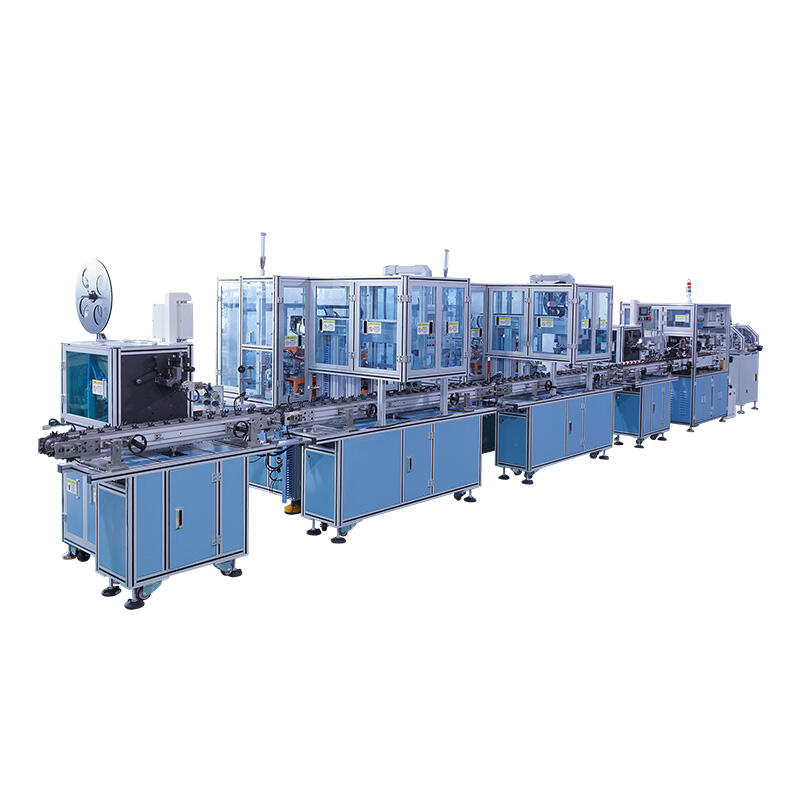
Mazingira ya uuzaji wa kimataifa yanaibadilika kwa kina kama viwanda vya kimataifa vyote vinaikubali teknolojia za kiotomatiki ili kuongeza ufanisi, kupunguza gharama, na kudumisha faida za kushindana. Katika ubadilisho huo, motori za ufanisi wa juu mistari ya uzalishaji wa moto zinafungua njia ya ubunifu, ambapo uunganisho wa mashine za akili unachangia upanuzi wa jinsi ya kuzalisha motori kwa kiasi kikubwa. Vifaa vya kuzalisha vya motori vya leo havijadi tena kwa vituo vya kujenga kwa mikono na vifaa vilivyotolewa peke yao; badala yake, vinajumuisha mfumo uliounganishwa ambapo mashine za akili zinawasiliana, zinabadilika, na zinahakikisha ufanisi wa mchakato wa uzalishaji katika wakati halisi. Ubadilisho huu kwenda kwenye mazingira ya uzalishaji unaotendwa kwa kiotomatiki na yenye akili haikuwa tu uboreshaji mdogo bali ni ubadilisho msingi wa jinsi ya kufanya kazi, kushindana, na kutoa thamani ya mistari ya kuzalisha ya motori za ufanisi wa juu katika soko lenye maombi yanayozidi kila siku.
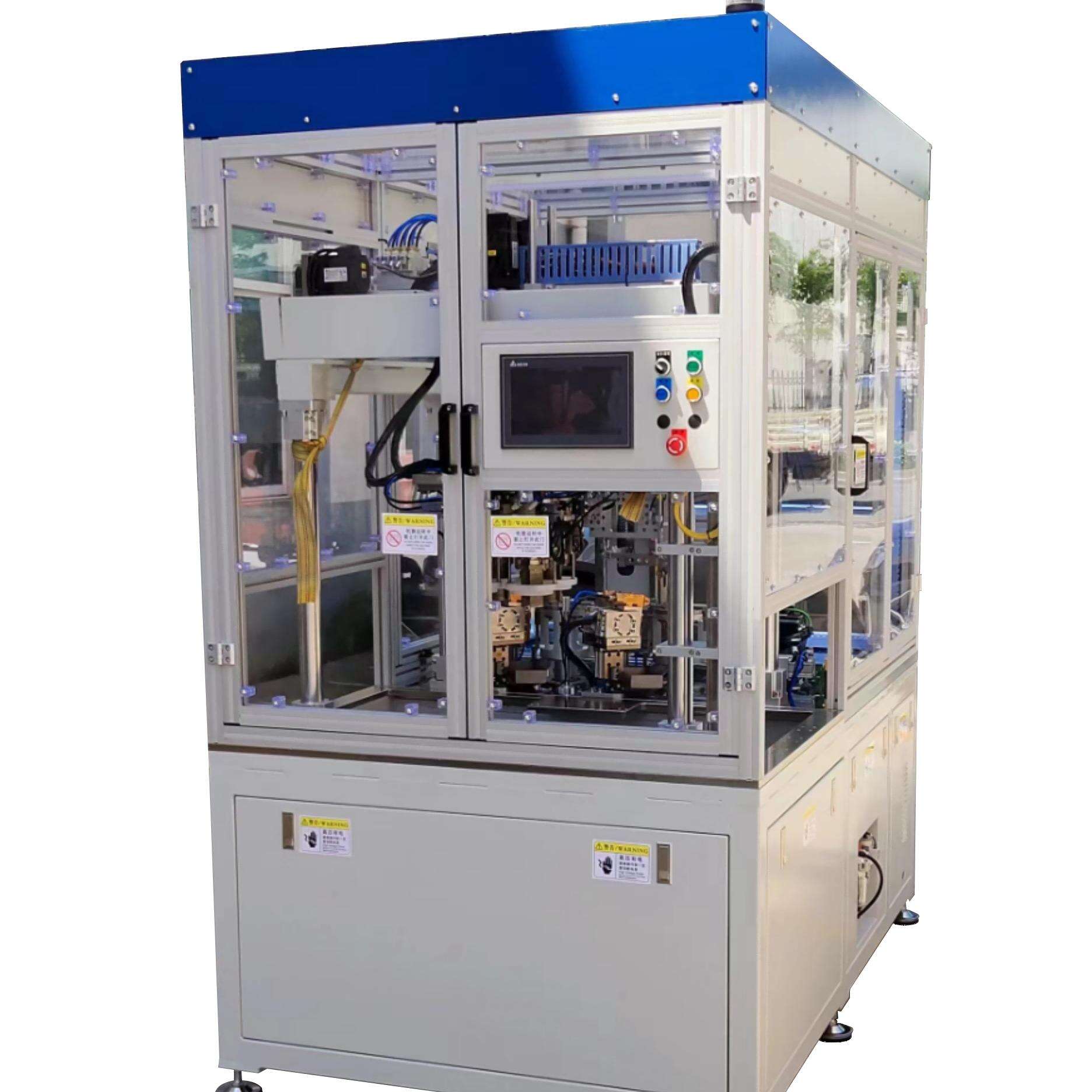
Lazima ya kuingiza mashine za akili katika uzalishaji wa moto inatokana na mafuta mengi yanayokutana: gharama za kazi zinazozidisha katika mikoa ya uzalishaji wa kawaida, matarajio ya ubora yanayozidisha kutoka kwa wateja wa OEM, muda mfupi wa maisha ya bidhaa unayohitaji mabadiliko ya haraka zaidi, na utafutaji wa ufanisi wa nishati kote katika mchakato wa uzalishaji. Mipangilio ya kuzalisha moto ya ufanisi wa juu ambayo inajumuisha teknolojia za kiotomatiki za kisasa inaweza kufikia kiwango cha usahihi ambacho hauchaguliwi kwa njia ya kibinafsi, kudumisha ufanisi katika mzunguko milioni ya uzalishaji, na kuzalisha data muhimu ya uendeshaji ambayo inasimamia uboreshaji endelevu. Kama wazalishaji wanapata mafuta ya kuzidisha ya kuzalisha moto yenye kuvunjwa kwa kina, densiti ya nguvu ya juu, na vipengele vya utendaji bora zaidi, jukumu la mashine za akili haukuwa chaguo bali ni muhimu ili kubaki katika sekta hii.
Kuelewa Ujenzi wa Mipangilio ya Kuzalisha Moto ya Ufanisi wa Juu ya Kisasa
Vipengele Muhimu vya Mifumo ya Uzalishaji wa Motor Kwa Kutumia Teknolojia ya Kiotomatiki
Mizani ya uzalishaji wa motor kwa ufanisi wa kisasa inajumuisha mifumo mingi ya kujumuisha ambayo inafanya kazi pamoja ili kubadilisha vitu vya msingi kuwa viwakilishi vya motor vilivyotengenezwa. Katika kiwango cha msingi, mifumo ya kiotomatiki ya kushughulikia vitu vya kuzalisha huyabeba vipengele kama vile mionzi ya stator, viwakilishi vya rotor, virungu, mizani ya kuvuta na makabati kati ya vituo vya kufanywa kazi bila mshirika wa binadamu. Mifumo hii mara nyingi huweka mtandao wa kubeba, vituo vya kubadilisha kwa roboti au magari ya kusonga binafsi yanayojibu kwa njia ya kiotomatiki kwa mfumo wa mpangilio wa uzalishaji. Uthibitisho wa mgawanyo wa vitu unaweza kuleta matokeo muhimu juu ya ufanisi wa vifaa vyote, kwa sababu vikwazo au uvimbo usio sawa hupita kupitia mzunguko wote wa uzalishaji, kuhakikisha kushuka kwa uwezo wa kuzalisha na kuzidi kwa idadi ya makosa.
Vituo vya kufanya kazi katika mistari ya uzalishaji wa moto za ufanisi wa juu hujumuisha mifumo ya kipekee ya kufanya kazi kwa shughuli muhimu za uzalishaji ikiwemo kufanya kazi ya stator, kuingiza na kushirikisha magneti, kusawazisha rotor, kubonyeza shaft, na kujenga mwisho. Kila kituo kinaendelea kujumuisha visensor vilivyopakwa ndani, mifumo ya kuona, na mirafu ya udhibiti ambayo inaweza kuthibitisha ubora wa wakati halisi na kubadilisha taratibu za kufanya kazi. Kwa mfano, mashine za kufanya kazi kwa njia ya otomati sasa zinatumia mifumo ya udhibiti wa mgurumo na teknolojia ya kufanya nafasi ya waya ambazo zinapata usawa wa kufanya kazi unaofaa zaidi kuliko njia za kinyume, ikichangia moja kwa moja kwa ufanisi wa moto kwa kupunguza mapotezi ya umeme. Vile vile, mifumo ya kusawazisha rotor ya otomati inaweza kupata na kurekebisha mizani kwa usahihi wa mikroni, kupunguza vibarabara na kuhakikisha maisha ya mirembo ya kuvutia katika moto iliyotengenezwa.
Safu za Uunganisho Zinazowezesha Uzalishaji wa Akili
Ubadilisho wa vifaa vya uzalishaji wa kawaida kuwa vifaa vya kisasa vyenye uwezo wa kujitegemea kwa kweli huitabiri ushirikiano wa teknolojia kwa ngazi nyingi. Kwenye kiwango cha kifaa, vifaa vya kusoma vinavyopakana katika mistari ya uzalishaji wa viwango vya juu ya mafuta ya kuvutia huwasoma mara kwa mara vipimo kama vile joto, uvimbe, mtiririko, nafasi, na sifa za umeme. Data hii ya kusoma huja kwenye vifaa vya kuhesabu kwenye mpaka (edge computing) ambavyo hufanya uchambuzi wa ndani na ubadilisho wa mara moja wa udhibiti bila kukosekana kwa sababu ya mawasiliano ya mazingira ya wingu. Kiwango cha mpaka kinaweza kutoa majibu ya milisekunde ambayo ni muhimu sana kudumisha ustahili wa mchakato wakati wa uendeshaji wa kasi juu unaozochukua kipindi cha uzalishaji wa moto wa kisasa.
Juuhani ya kifungu cha kipengele cha kuzungumzia, mfumo wa kutekeleza uzalishaji unashirikiana na shughuli zote katika mstari wa uzalishaji wote, ukisimamia amri za kufanya kazi, ukiofuata matumizi ya vitu vya kujenga, ukisimamia mpangilio wa shughuli za usafi na urevu, na ukithibitisha uwezekano wa kufuatilia kutoka kwa vitu vya msingi hadi kwa bidhaa zilizopatikana. Mifumo hii huunganisha mashine zinazojua kwa kujumuisha shughuli zake, ikitumia mstari wa uzalishaji wa moto wenye ufanisi mkubwa ili kujibu kwa busara kwa mahitaji yanayobadilika ya uzalishaji, matatizo ya ubora, au upungufu wa utaratibu wa vifaa. Kifungu cha juu kabisa cha kuingiliana kinajumuisha mfumo wa kusimamia rasilimali za biashara na mifumo ya kuchambua data ambayo inajumuisha data ya uzalishaji, inatafuta fursa za kuboresha, na inatoa maoni ya kisiasa kwa mpangilio wa uwezo na maamuzi ya uwekezaji. Ujenzi huu wa kifungu unabadilisha mashine zinazotumika peke yake kuwa sehemu ya mfumo wa uzalishaji unaofanya kazi kwa busara.
Faida za Kisiasa Zinazosaidia Kuongeza Matumizi ya Mashine za Akili Katika Uzalishaji wa Moto
Mapato ya Ufanisi kupitia Uendeshaji wa Muda Mrefu na Kupunguza Muda wa Kukamilika
Moja ya faida zinazotukuzwa sana za kuingiza mashine za akili katika mstari wa uzalishaji wa viwango vya juu wa moto ni uboreshaji mkubwa wa uwezo wa jumla wa vifaa uliofikwa kupitia muda mrefu wa kufanya kazi na kasi ya kufanya kazi iliyopanua. Mifumo ya kiotomatiki inaweza kufanya kazi kila wakati kwenye mabadiliko mengi bila kutapika, kutokuwa na usawa, au wasiwasi wa usalama wanaohusiana na wafanyikazi wa binadamu wanaofanya kazi za kurudia. Uwezo huu unawawezesha wazalishaji kuchukua faida kubwa zaidi kutoka kwenye uwekezaji wao wa kisasa katika vifaa vya uzalishaji wakati wanajitahidi kujibu mabadiliko ya mahitaji bila kuongeza gharama za kazi kwa kiasi sawa. Kwa wazalishaji wa moto wanaowasaidia masoko ya kiasi kikubwa kama vile umeme wa vihuruma au matumizi ya HVAC, uwezo wa kufanya kazi kila wakati kwa usimamizi mdogo unarepresentisha faida ya kushindana kwa kina.
Panda zaidi ya muda wa kufanya kazi ulioongezwa, mashine za akili hupunguza muda wa mzunguko kupitia njia za haraka zilizosawazishwa, uwasilishaji wa kushirikiana, na kufuta shughuli zisizozaa thamani. Roboti za juu katika mistari ya uzalishaji wa moto wenye kiasi kikubwa inaweza kufanya shughuli nyingi za kuunganisha kwa wakati mmoja ambazo zingehitaji ushindani wa kuchukua kwa mfumo wa binadamu, kuhifadhiwa muda kutoka wakati wa kuwasilishwa kwa sehemu hadi ukamilifu wa sehemu ndogo. Mifumo ya maoni ya mashine huangalia sehemu wakati wa kuhamishwa badala ya kufanya hivyo katika vituo vya ubora vilivyotengwa, kufuta muda wa kusubiri na kuleta maelezo ya mara moja kwa kurekebisha taratibu. Pamoja, upungufu huu wa muda wa mzunguko unaruhusu eneo la uzalishaji lililo sawa fisikali kutoa matokeo ya juu sana, kuboresha utumizi wa mahali na kupunguza gharama za kuzalisha kwa kila kitu.
Ubora wa Ufanisi na Upungufu wa Makosa Kupitia Otomatiki ya Ufasaha
Uthabiti wa ubora unawakilisha mchango mwingine muhimu kwa kutumia mashine za akili katika uzalishaji wa mitambo. Wafanyikazi wa binadamu, bila kujali mafunzo na ujuzi wao, huvutia tofauti zinazojitokeza kwa kawaida katika uendeshaji wa kujumuisha kwa sababu za ukovu, kushindwa kufikiria, na tofauti ndogo za mtindo. Kinyume chake, vifaa vya kiotomatiki katika utaratibu wa kuvutia kiasi kikubwa mistari ya uzalishaji wa moto hufanya mifumo iliyoprogramiwa kwa uhakika unaokadiriwa kwa mikroni na milisekunde, kuhakikisha kwamba kila kujumuisha kwa mitambo huipata matumizi sawa. Uhakika huu unakuwa muhimu sana katika uendeshaji kama vile kufunga mizani, ambapo nguvu za kufunga lazima ziwe ndani ya mipaka ya upatikanaji wa kutosha ili kuepuka uvurugu wa sehemu ya mizani wakati huohuo kuhakikisha kuwa kuna uwezo wa kudumisha vizuri, au kufunga magneti, ambapo ufanisi wa kutoa dawa ya kufunga unahusiana moja kwa moja na uimarishaji wa rotor chini ya mashakio ya kufanya kazi.
Mashine za akili zinaboresha matokeo ya ubora si tu kupitia utekelezaji wa kudumu bali pia kupitia uwezo wa kuchunguza kwa ukamilifu uliojengwa ndani ya mtiririko wa uzalishaji. Mipaka ya uzalishaji wa moto wa kisasa za ufanisi wa juu ilizilingana na mbinu za kuchagua kwa njia ya takwimu, ambapo asilimia ndogo ya pato lilipewa uchunguzi wa kina, ikasalia vibaya visivyotambulika hadi kuwa na matatizo ya wateja. Mipaka ya kisasa ya kiotomatiki inajumuisha uthibitisho wa kati ya kazi kwa kila hatua muhimu, kwa kutumia teknolojia kama vile kuscan kwa nuru ya lazer kwa uthibitisho wa vipimo, majaribio ya umeme kwa kuhakikisha kuendelea kwa mifumo ya kuviringa na upungufu wa kujifunga, na kuchunguza sauti kwa kuhakikisha ubora wa kufupishwa kwa mifupa ya mzunguko. Uthibitisho huu wa kikamilifu unawezesha kugundua haraka vibaya na kugundua chanzo cha msingi, kuzuia vifaa vilivyovunjika kushuka kwenye operesheni zinazofuata na kuleta vitendo vya kurekebisha haraka kabla ya kujikusanya kwa wingi wa vifaa vilivyoharibiwa.
Uwezo wa kubadilika na Kugeuza Haraka kwa Usimamizi wa Aina za Bidhaa
Industri ya uzalishaji wa mitambo inakabiliana zaidi na mahitaji ya variety ya bidhaa kwa sababu wateja wanatafuta mitambo iliyosawazishwa kwa matumizi maalum badala ya kukubali miundo ya jumla. Ukuwepo kwa mitambo mingi ya aina mbalimbali, kila moja yenye muundo tofauti wa stator, muundo tofauti wa rotor, mifumo ya kufunika, na viungo vya kimechaniki, huleta changamoto kubwa kwa mpango wa uzalishaji na utumiaji wa vifaa. Mistari ya uzalishaji ya kawaida iliyoundwa kwa ajili ya mitambo ya aina moja tu huwa haijafaa kiasi cha kiuchumi unapotakiwa kusaidia mitambo ya aina za kuzidi ishirini au mia moja na kiasi kidogo cha kila aina. Mitambo ya akilidhaa inatatua changamoto hii kupitia miundombinu ya uautomati wa uwezekano wa kubadilisha ambayo inakaribisha aina nyingi za bidhaa ndani ya mistari ya uzalishaji ya mitambo yenye ufanisi juu kwa pamoja.
Otomatisasi ya uwezekano katika uzalishaji wa motor unategemea vifaa vya kufanikisha tena, udhibiti wa haraka unaoweza kuprogramu, na uendeshaji unaosimamiwa kwa kipimo ambacho unawezesha ubadilisho wa haraka kati ya aina mbalimbali za bidhaa. Kwa mfano, mashine ya kuzungusha ya kiotomatiki inaweza kuweka kumbukumbu programu nyingi za kuzungusha zinazolingana na muundo tofauti ya vifungo vya stator na maelezo ya waya, ikibadilisha kati ya aina mbalimbali kupitia uteuzi wa programu badala ya kubadilisha vifaa vya kihisani. Vile vile, seli za kujenga kwa roboti zenye vifaa vya mwisho vinavyobadilika haraka vinaweza kushughulikia muundo tofauti wa vitu kwa kubadilisha muundo wa vifaa vya kushika kwa sekunde badala ya masaa ambayo hutumika katika ubadilisho wa vifaa vya kawaida. Uwezo huu unawezesha mistari ya uzalishaji wa motor yenye ufanisi mkubwa kuzalisha kwa uchumi aina mbalimbali za mfumo kwa mpangilio uliochanganywa, kupunguza gharama za kuhifadhiya inventori na kupunguza muda wa kusubiri wa wateja kwa kuzalisha kulingana na mahitaji halisi badala ya kuhifadhiya maghala makubwa ya bidhaa zilizotengenezwa ili kudumisha aina nyingi za bidhaa zinazotarajiwa kuwa popote.
Teknolojia Kuu Inayowawezesha Otomatiki ya Uzalishaji wa Motor za Akili
Roboti za Viwanda na Mifumo ya Otomatiki ya Kushirikiana
Vipande vya viwanda vya kisasa vya uwekaji wa nguvu vinaunda msingi wa mizani ya uzalishaji wa moto wa kisasa wenye ufanisi mkubwa, vyanafanya kazi kutoka kwa usambazaji wa vitu na kuonyesha sehemu hadi kujenga kwa uhakika na kufanya majaribio. Mifumo ya roboti ya kisasa ina uwezo wa kusimama zaidi ya kazi rahisi za kuchukua-na-kuweka ambazo zilikuwa katika majeneresheni ya awali ya kutoa utawala. Roboti zenye mifupa sita zinatoa uwezo wa kufikia muundo wa moto unaohitaji ujuzi wa kufikia kutoka kwa pembe mbalimbali, ambayo ni muhimu kwa kazi kama vile kuingiza vipande vya stator katika vifungo au kusambaza mitambo ya waya karibu na mwili wa moto. Mwendo wao unaoelezewa kwa programu unaweza kuhakikishwa ili kupunguza muda wa mzunguko wakati huo huo ukiozwa kushindwa kufikia vifungo na vifaa vya karibu, na uwezo wa kudhibiti nguvu unasaidia kufanya kazi rahisi kama vile kusakinisha vifurushi ambapo nguvu ya kuzidi huwachangia madhara lakini nguvu ya chini sana huwezesha kushikwa vizuri.
Maendeleo ya hivi karibuni katika uhandisi wa roboti zinazofanya kazi pamoja inaongeza uwezekano wa kutumia utawala wa kiotomatiki katika mstari wa uzalishaji wa motor zenye kiasi kikubwa kwa kufanya mtu na roboti kushirikiana kwa usalama bila kutumia vifence vya usalama vya kawaida. Roboti zinazofanya kazi pamoja, ambazo zimepakiwa na teknolojia ya kuzungumzia nguvu na mfumo wa kufuatilia usalama uliothibitishwa, zinaweza kufanya kazi pamoja na wafanyikazi wa binadamu, kushughulikia kazi za kurudia au kazi ambazo hazijapata kueleweka vizuri kwa kujumuisha mbinu ya kufanya kazi, wakati wafanyikazi wanashughulikia hatua za kuunda kwa ufanisi, kuchagua ubora, au kushughulikia mahitaji ya kipekee. Mbinu hii ya kichanganyiko inaonyesha thamani kubwa hasa wakati wa kuanzisha bidhaa mpya, unapokuwa kiasi cha uzalishaji hakijasababisha uwezekano wa kufanya uwekezaji kamili wa utawala wa kiotomatiki, au kwa shughuli ambazo zinahitaji ubunifu wa hisia na majibu ya kubadilika ambayo bado ni changamoto kwa mfumo tu ya kiotomatiki. Uwezekano wa kusambaza haraka roboti zinazofanya kazi pamoja na kubadilisha matumizi yao kwa kubadilika kwa mahitaji ya uzalishaji unafanya zao kuwa zaidi za kuvutia kwa wazalishaji wa motor wanaotumia soko la kubadilika.
Teknolojia za Uona wa Kifaa na Uthibitisho wa Ubora
Mifumo ya uona wa kifaa imekuwa sehemu muhimu sana ya mistari ya uzalishaji wa moto wenye kiasi kikubwa, ikutoa uwezo wa kuchunguza kwa kutumia teknolojia ambayo inafanana au hata inapita uwezo wa kuona kwa mwanadamu, wakati ikitumia kasi ya uzalishaji ambayo haiwezi kufanyika kwa kuchunguza kwa mikono. Matumizi ya teknolojia ya uona katika uzalishaji wa moto hueneza kuhusu uthibitisho wa vipimo, ugunduzi wa makosa, uthibitisho wa upo kwa sehemu, na uthibitisho wa usahihi wa kujengwa. Kamera zenye ubora wa juu zinazotumika pamoja na nuru maalum na miradi ya kusasisha picha yenye nguvu zinaweza kugundua makosa ya uso kama vile vichwa, vifungo, au uvutio wa vitu vya kuvuruga kwenye sehemu muhimu kama vile uso la vifaa vya kuvuruga, eneo la kufungwa kwa vifaa vya kuvuruga, na uso la ndani ya kisanduku ambapo makosa yanaweza kuharibu utendaji au uaminifu wa moto.
Kupita juu ya ukaguzi wa uso, mifumo ya maono inawezesha uwezo wa kufanya vipimo vya kina katika mifumo ya uzalishaji wa kiautomati. Vifaa vya kisensori vya triangulation ya lazi ya lazi vinapima urefu wa vitambaa vya stator na diameta ya rotori kwa usahihi wa chini ya millimita, kuhakikisha kwamba vitu vya kujengwa vinakidhi vipimo vya ukubwa kabla ya kuunganishwa. Mifumo ya maono ya tatu dimensheni inahakikisha muundo wa kina kama vile nafasi za misumari ya kushirikiana au nafasi za kufungwa, kuthibitisha kwamba vitu vya kuchomwa vinakidhi malengo ya ubunifu. Miradi ya kuvumbua muundo inalinganisha namna ya kusambaza waya na picha za kurejelea, ikigundua waya waliyopita kwenye mwingine au mwisho usio sahihi ambao unaweza kusababisha mapotezi ya umeme. Kwa kuingiza uwezo huu wa maono moja kwa moja katika mistari ya uzalishaji wa moto wenye ufanisi mkubwa badala ya kutoa ukaguzi katika vituo vya ubora tofauti, wazalishaji wanapata ukaguzi kamili (100%) bila kuharibu kasi ya uzalishaji, kuboresha kwa kina ubora wa bidhaa zinazotolewa.
Mifumo ya Uzalishaji wa Kupredicta na Ukaguzi wa Hali
Uthabiti wa ufanisi wa juu mistari ya uzalishaji wa moto huingiliana moja kwa moja na uchumi wa uzalishaji, kwa sababu ya muda usio mpangwa wa kutokuwepo unaharibu mpango wa uzalishaji, unaunda gharama za kusukuma haraka, na kwa ujumla inaweza kuchelewesha kulemwa kwa wateja. Mifumo ya mashine ya akili inatatua changamoto za uthabiti kupitia uwezo wa kufuatilia hali uliopo ndani yake ambao unatumia vipimo vya mara kwa mara kuhakikisha afya ya vifaa na kubainisha mapambano ya kushindwa kabla ya kutokea. Vipimo vya vibarabara vilivyopandwa kwenye sehemu muhimu za kuzunguka kama vile moto za spindle katika mashine za kuzunguka vinagundua upungufu wa mabegani kupitia alama za mzunguko maalum zinazodhihirika muda mrefu kabla ya kushindwa kikubwa. Vipimo vya joto vinategemea matatizo ya kuunganisha yanayotengeneza au uvimbe mwingi katika mfumo wa haraka, ikiruhusu usafi wa kuzuia wakati wa muda usio mpangwa badala ya usafi wa dharura wakati wa mzunguko wa uzalishaji.
Mifumo ya kuboresha usambazaji wa mapendekezo yanajumuisha data ya kisensor kutoka kwa mistari yote ya uzalishaji, ukifanya matumizi ya miradi ya kujifunza kwa mashine ili kupata mifano inayohusiana na uvunjika wa vifaa vya karibuni. Mifumo hii hujiendeleza alama za kawaida za uendeshaji kwa kila gari na kutoa taarifa kwa wafanyikazi wa usambazaji wakati kuna mabadiliko yanayodhihirisha matatizo yanayotengana. Kwa mfano, ongezeko kidogo cha sasa ya motor ya servo wakati wa harakati za kawaida inaweza kuashiria kuvimba kwa kiufundi au uvunjika unaohitaji utafutaji, wakati mabadiliko katika taratibu za kupungua kwa shinikizo la mfumo wa hewa inaweza kuonyesha uvunjika wa hewa unaotengana. Kwa kubadilisha strategia za usambazaji kutoka kwa njia za kurejea au kulingana na muda hadi njia za kulingana na hali na za kubaini, watoa huduma ya moto ya ufanisi wa juu wanapunguza inventori ya sehemu za mabadiliko, kuboresha uboreshaji wa wafanyikazi wa usambazaji, na zaidi ya hayo, kumpunguza kikomo cha kuvunjika kwa uzalishaji ambacho kinaathiri ufanisi wa uzalishaji.
Strategia za Kuweka Mifumo ya Mashine ya Akili
Mikondo ya Uwekaji wa Mifumo kwa Hatua kwa Mazingira ya Uzalishaji Ya Sasa
Watengenezaji wa magari wenye vifaa vya uzalishaji vilivyo imara wanakabiliwa na changamoto za kipekee wanapounganisha mashine nadhifu katika mistari iliyopo ya uzalishaji wa magari yenye ufanisi mkubwa, kwani ubadilishaji kamili wa mistari kwa kawaida huleta gharama kubwa na usumbufu usiokubalika wa uzalishaji. Mikakati ya ujumuishaji iliyofanikiwa hutumia mbinu za upelekaji wa awamu ambazo hubadilisha uwezo wa uzalishaji hatua kwa hatua huku zikidumisha mwendelezo wa uendeshaji. Awamu za awali kwa kawaida huzingatia shughuli za vikwazo ambapo otomatiki hutoa maboresho ya haraka ya matokeo au uboreshaji wa ubora, kuonyesha thamani na kujenga imani ya shirika katika teknolojia za hali ya juu. Kwa mfano, kufanya majaribio ya mwisho ya magari kiotomatiki, ambayo mara nyingi huzuia uwezo wa jumla wa mistari kutokana na muda unaohitajika wa majaribio, kunaweza kuongeza uwezo mzuri wa uzalishaji bila kurekebisha michakato ya utengenezaji ya juu.
Mafaza ya baadaye ya kutekelezwa kunaongeza kwa hatua kufuatiliaji wa uautomatiki, kuzingatia shughuli kulingana na hesabu za faida ya mali (ROI) ambazo zinachukua katika mkondo wa kuhesabu uvunaji wa kazi, uboreshaji wa ubora, na mapato ya kiasi cha bidhaa inayotengenezwa kwa wakati fulani. Mbinu hii ya kuingiliana inaruhusu watoa huduma kuunda ujuzi wa ndani katika usimamizi wa teknolojia ya uautomatiki wakifanya kuzuia mapato ya kifedha wakati wa kujifunza. Ni muhimu sana kwa mafaza ya kuingiliana kudumisha uwezekano wa kushirikiana kati ya vifaa vya kutekelezwa kwa kiotomatiki mpya na mfumo wa uzalishaji uliopo, kuhakikisha kuwa mtiririko wa vitu huendelea na uunganishaji wa data kama vile mazingira ya uzalishaji huendelea kubadilika. Mbinu ya kuingiliana iliyopangwa vizuri hatimaye hufanya mabadiliko ya mistari ya uzalishaji ya zamani kuwa mistari ya kisasa ya uzalishaji wa magurudumu yenye ufanisi wa juu na uwezo wa mashine za akili, bila kusababisha mgogoro au hatari ya kifedha ambayo huhusishwa na mbinu ya kubadilisha kabisa.
Maoni ya Kukuza Wafanyakazi na Usimamizi wa Mabadiliko
Uingizwaji wa mashine za akili katika mstari wa uzalishaji wa viwango vya juu wa moto unavyotokana na ubadilisho wa mahitaji ya wafanyakazi, wasifu wa ujuzi, na miundo ya mashirika ndani ya shughuli za uzalishaji. Wafanyakazi wa uzalishaji ambao awali walifanya kazi za kujenga kwa mikono lazima wajifunze ujuzi mpya katika uendeshaji wa mfumo wa kiotomatiki, kugundua na kurekebisha matatizo, na kuboresha. Ubadilisho huu wa wafanyakazi unahitaji miradi ya mafunzo ya kina ambayo huangalia si tu maendeleo ya ujuzi wa teknolojia bali pia ubadilisho wa kibinafsi kwa ajili ya mabadiliko ya majukumu na wajibu. Wakuzi wenye mafanikio wanakubaliana kwamba uwekaji wa pesa katika teknolojia pekee hakupatia matokeo bora zaidi; kipengele cha binadamu bado kinachukua nafasi muhimu katika kufikia faida za kiotomatiki kupitia uendeshaji bora wa mfumo na shughuli za uboreshaji endelevu.
Mbinu za usimamizi wa mabadiliko ambazo zinahusisha wafanyikazi wa uzalishaji mapema katika mchakato wa kupangwa kwa uautomatiki, kuzungumzia wazi sababu za kuchukua teknolojia, na kudhihirisha uadhimisho wa maendeleo ya wafanyikazi hupatia matokeo bora zaidi ya mbinu zinazotumia uautomatiki kama miradi ya teknolojia tu. Wafanyikazi wa uzalishaji wana maarifa ya thamani sana kuhusu changamoto za ubora, vizingiti vya ufanisi, na mambo ya kufanya kazi yanayotumika kwa kawaida ambayo yataathiri ubunifu wa mfumo wa uautomatiki. Ushiriki wao katika kuchagua vifaa, kupangalia mpangilio wa mahali, na uthibitisho wa programu unahakikisha kwamba suluhu za uautomatiki zinatumika kwa mahitaji halisi ya uzalishaji badala ya malengo ya uoptimization ya kufikiria tu. Pia, kutoa njia wazi za kazi kwa wafanyikazi wanaobadilika kutoka kwa kazi za mikono hadi kuwa wataalamu wa mfumo wa uautomatiki hupunguza upinzani dhidi ya mabadiliko na kuhifadhi maarifa ya taasisi ndani ya mashirika inayobadilika kwa kujumuisha mbinu za uzalishaji wenye akili.
Mahitaji ya Miundo ya Data na Uunganishaji
Kufikia uwezo kamili wa mashine za akili katika mstari wa uzalishaji wa moto wenye kiasi kikubwa unahitaji miundo ya data yenye nguvu inayoweza kusukuma, kutuma, kuweka na kuchambua kiasi kikubwa cha taarifa zinazotengenezwa na vifaa vya kiotomatiki vya kisasa. Kila kisensori, kionyeshi, mfumo wa maoni, na kifaa cha kujaribu kinatoa mikondo ya data yanayotumika kila wakati ambayo pamoja yanaunda picha zinazojumuisha maelezo ya kina ya mchakato wa uzalishaji, mwenendo wa ubora, na hali ya vifaa. Kutoa maelezo yanayoweza kutumika kutoka kwa data hii inahitaji uunganishaji wa mtandao, uwezo wa kuhesabu kwenye mpaka (edge computing), mifumo ya usimamizi wa maghazia, na mafanikio ya kuchambua data ambayo huweka data ya msingi kuwa taarifa zenye maana zinazosaidia uamuzi katika viwango vya uendeshaji, kwa kipindi cha kati, na kwa kiwango cha kisiasa.
Uundaji wa miundo ya mtandao kwa mazingira ya uzalishaji wa kiautomatiki unapaswa kutatua mahitaji yanayomkabili kila mmoja: uwezo wa kupitisha data kwa kasi kubwa, usio na muda mrefu wa kujikwamisha, na usalama wa imara. Mawasiliano ya udhibiti yanayotegemea wakati kati ya vitu vya kudhibiti kwa mantiki (PLC) na vitu vya kuingilia na kutoka vya kusambazwa (distributed I/O modules) huita utendaji wa mtandao unaofanywa kwa ubunifu ili kudumisha usimbamko wa mchakato, wakati data ya picha ya ubora wa juu inahitaji uwezo mkubwa wa kupitisha data kwa kutuma kwa mfumo wa kushughulikia. Wakati huo huo, uwasiliana kati ya mfumo za uzalishaji na mtandao wa biashara unatoa mapungufu ya usalama wa habari ambayo yanahitaji hatua za kulinda ikiwa ni pamoja na kugawanya mtandao, udhibiti wa ufikiaji, na mfumo wa kugundua maingiliano ya vibaya. Wafanyabiashara wanaouunda mistari ya uzalishaji wa magotori ya ufanisi wa juu wanapaswa kuhumisha rasilimali siyo tu katika vifaa vya kiautomatiki vinavyoonekana, bali pia katika miundo ya kidijitali chini ambayo inaruhusu mashine za akili kufanya kazi kama mfumo uliopangwa badala ya kifaa cha pekee. Miundo hii inawakilisha uwezo msingi unaosaidia majukwaa ya kiautomatiki ya sasa wakati inatoa uwezo wa kukuza kwa teknolojia za baadaye.
Mwendo wa Baadaye katika Utoaji wa Kiotomatiki wa Vituo vya Kuzalisha Viwasha
Matumizi ya Akili Bandia na Ujifunzaji wa Kibinadamu
Faza ya baadaye ya kuevolusha mistari ya kuzalisha viwasha vyenye ufanisi wa juu inahusisha kutumia teknolojia ya akili ya bandia na ujifunzaji wa mashine kuboresha uamuzi, kuboresha mchakato, na kuruhusu uboreshaji wa kisasa wa mfumo kwa kujitambua. Utoaji wa kiotomatiki wa sasa unatumia mara nyingi programu zilizopangwa mapema na kujibu hali fulani kupitia mantiki iliyopangwa mapema, na kuhitaji ujuzi wa binadamu kubadilisha shughuli wakati hali za uzalishaji zinabadilika au fursa mpya za uboreshaji zinatoka. Mifumo yenye AI inaahidi kuondoka na vizingiti hivi kwa kujifunza kutoka kwa data ya uzalishaji, kugundua mielekeo ya kipekee ambayo haiwezi kugunduliwa na kuchunguza kwa binadamu, na kubadilisha kwa kujitegemea parameta ili kuboresha matokeo. Mirafu ya ujifunzaji wa mashine inaweza kuchunguza uhusiano kati ya parameta za mchakato za kumi na mbili na matokeo ya ubora, kugundua mchanganyiko bora ya parameta ambayo huongeza utendaji wa viwasha wakati huo huo ukiofanya chini ya kiwango cha makosa.
Matumizi ya AI ya kisasa yanayotokana katika uzalishaji wa motor inajumuisha mifumo ya udhibiti wa kibinafsi ya kujitegemea ambayo huweka mabadiliko ya kiotomatiki kwa sababu ya tofauti za vitu vya kwanza, michoro ya ubora ya kudirisha ambayo huonyesha makosa ya uwezekano kabla huyotokea kulingana na alama za mchakato wa awali, na mirafu ya kusimamia ya akili ambayo huweka mpangilio bora wa uzalishaji kulingana na hali ya vifaa, upatikanaji wa vitu vya kwanza, na gharama za nishati. Uwezo huu unawezesha mistari ya uzalishaji wa motor ya ufanisi mkubwa kufanya kazi kwa uhuru zaidi, ikirequi kuwasiliana na binadamu hasa kwa maamuzi ya kisiasa na kushughulikia mambo ya kutokea badala ya mabadiliko ya kawaida ya uendeshaji. Kama teknolojia za AI zinavyoleta na seti za data za mafunzo ya kihususi za eneo huo zinavyozidisha, tofauti ya utendaji kati ya mfumo wa uzalishaji ulioeleweka kwa AI na yale ya kawaida itazidi kukuza, ikijenga masharti ya kushindana kwa wazalishaji kuchukua uwezo huu wa juu au kupata udhaifu unaopanua katika uchumi wa uzalishaji na ubora wa bidhaa.
Teknolojia ya Mfano wa Dijital kwa Kuanzisha na Kuboresha Kivirtuali
Teknolojia ya mfano wa dijital inawakilisha upeo mwingine wa automaisasi katika uzalishaji, ikizalisha mifano ya kivirtuali ya mifumo ya uzalishaji ya kimwili ambayo inaruhusu usimulizi, uchambuzi, na uboreshaji katika mazingira ya programu kabla ya kutekeleza mabadiliko kwenye vifaa vya kweli. Kwa mistari ya uzalishaji wa moto wa ufanisi mkubwa, mifano ya dijital inajumuisha mifano ya kijiometria ya vifaa vya uzalishaji, usimulizi wa kikinematiki wa mfululizo wa harakati za roboti, mifano ya kiprocessi inayoruhusu ubadilishaji wa vitu na uhusiano wa ubora, na mifano ya uendeshaji inayoruhusu mizani ya uzalishaji na vizingiti vya rasilimali. Mifano hii ya kivirtuali yenye ujumla inaruhusu wazalishaji kujaribu uvamizi wa bidhaa mpya, kuchambua mabadiliko ya mpangilio, kuboresha viparameta vya kiprocessi, na kufundisha wafanyakazi bila kuhatarisha uendeshaji wa kweli wa uzalishaji au kuhatarisha vifaa wakati wa majaribio.
Thamani ya mifano ya digital inaendelea zaidi ya uundaji wa awali na kuanzishwa kwa mfano, hadi kuboresha uendeshaji unaotarajiwa. Mifano ya digital ya wakati halisi ambayo huweka upya mara kwa mara na mfano wa kimwili wa mfumo wa uzalishaji kupitia mizungumzo ya data kutoka kwa vifaa vya kusonga vinawawezesha wafanyikazi kuona hali ya uzalishaji, kugundua matatizo kwa kulinganisha tabia halisi na ile iliyotarajiwa, na kuthibitisha vitendo vya kurekebisha vilivyopangwa kabla ya kuyatumia. Mifano ya digital ya kubainisha hutumia michoro ya kujifunza ya mashine ambayo huonyesha hali za baadaye za mfumo kulingana na hali ya sasa na vitendo vilivyopangwa, ikisaidia uamuzi wa mapema ili kuzuia matatizo ya ubora au uvimbe wa vifaa. Kama wazalishaji wa motor wanavyoendelea kujenga uwezo wa mifano ya digital unaofanya kazi vizuri zaidi na kuiunganisha na mistari ya uzalishaji wa motor yenye ufanisi mkubwa, mpaka kati ya mazingira ya uzalishaji ya kimwili na ya kidijitali utakuwa dhaifu, ikiruhusu mbinu za kuboresha na maoni ya uendeshaji ambayo hapakuwa na uwezo wa kupatikana kupitia majaribio ya kimwili pekee.
Uingiziano wa Uendelezi na Utengenezaji wenye Ufanisi wa Nishati
Mazingira ya kudumu yanavyoathiriwa kwa wingi zaidi huathiri maamuzi ya kutumia teknolojia ya kiotomatiki kama vile wafanyabiashara wanapokabiliana na mahitaji ya sheria, matarajio ya wateja, na ahadi za kampuni kuhusu utendaji wa mazingira. Mipaka ya uzalishaji wa mitambo ya ufanisi wa juu yenyewe hutanisha nishati kubwa kupitia uendeshaji wa vifaa, udhibiti wa hali ya hewa katika vituo, na kujengwa kwa hewa iliyopaswa, ikisababisha michango ya gharama na athari za mazingira. Mitambo ya akili inatoa fursa za kupunguza ukubwa wa nishati katika uzalishaji kupitia profaili za harakati zilizosawazishwa ambazo hupunguza harakati za usiohitajika, mpangilio wa akili unaoleta uzalishaji katika muda usio wa kawaida wa umeme unaopokuwa na ukubwa wa kaboni wa mtandao mdogo, na ufuatiliaji wa kina wa nishati unaolenga kugundua tofauti za matumizi na fursa za uboreshaji.
Kipanda kwa matumizi ya moja kwa moja ya nishati, teknolojia ya kiotomatiki inawezesha uboreshaji wa mchakato wa uzalishaji ambao unapunguza uvurugu wa vitu, kukuza muda wa maisha ya vifaa kupitia usambazaji unaosimamiwa na hali, na kuboresha kiwango cha upatikanaji wa bidhaa bora kwa mara ya kwanza ambacho kinaondoa nishati iliyowekwa katika vipande vilivyotengwa. Mifumo ya roboti inayotarajiwa kwa macho huweka mistari ya dawa ya kushikilia kwa usahihi ambayo inapunguza matumizi ya ziada ya vitu wakati inahakikisha uwezo wa kushikiliana, mfumo wa kujaribu kiotomatiki hukagua vipande vya kuzungumzia kabla ya kufikia mchakato wa baadaye unaohitaji nishati kubwa, na usambazaji unaopangwa mapema hunyamaza uvurugu mkubwa wa vifaa ambao unazalisha kiasi kikubwa cha uvurugu na unahitaji urekebisho au ubadilisho unaohitaji nishati kubwa. Kama vile mitambo ya ustawi inavyozidi kuwa muhimu katika tathmini ya utendaji wa uzalishaji, faida za mazingira kutokana na kiotomatiki kilichotolewa vizuri katika mstari wa uzalishaji wa moto wenye ufanisi wa juu hutoa thamani ya kisiasa ikiyapita mitambo ya kawaida ya ufanisi na ubora, na kwa uwezekano kuhusu maamuzi ya wateja kuhusiana na chanzo la bidhaa na nafasi ya kufuata sheria.
Maswali Yanayoulizwa Mara kwa Mara
Ni nini kinachofanya mifumo ya uhandisi ya akili kuondoka na vifaa vya kawaida vya kutoa kazi katika uzalishaji wa mitambo?
Mashine za akili zinajumuisha visensori vilivyopakwa ndani, uwezo wa kufanya uchambuzi mahali, uwezo wa kuunganishwa kwenye mtandao, na mirafu ya udhibiti unaofanana ambayo inawezesha utamko wa maamuzi bila msaada wa binadamu na ushirikiano wa mfumo kote, wakati mashine za kawaida zinatumia programu zilizowekwa mapema zenye uwezo mdogo wa kusoma na bila mawasiliano na vifaa vingine vya uzalishaji. Katika mistari ya uzalishaji wa moto wenye ufanisi juu, mashine za akili hufuatilia mara kwa mara hali ya kufanya kazi, kubadilisha viparameta ili kudumisha utendaji bora kwa dhidi ya mabadiliko katika vitu au hali ya mazingira, kumwambia mfumo wa kusimamia hali na data ya utendaji, na kushiriki katika mirafu ya kazi iliyopangwa pamoja inayohusisha vituo vingi vya kufanya kazi. Ujuzi huu unawezesha mfumo wa uzalishaji kujibu kwa namna ya kubadilika kwa hali zinazobadilika, kuboresha utendaji kulingana na maoni ya wakati halisi, na kupatia uonekano wa kufanya kazi ambao unasaidia majukwaa ya uboreshaji wa mara kwa mara ambayo hayawezi kufanyika kwa kutumia mbinu za kawaida za uzalishaji.
Muda gani unachohitajika kwa uingizwaji wa mashine za akili katika mstari wa uzalishaji wa motor uliopo?
Muda wa uingilio unabadilika kwa kiasi kikubwa kulingana na ukubwa wa utawala wa kiotomatiki, ughuvu wa mchakato wa uzalishaji uliopo, vizingiti vya kiwanda, na ufanisi wa usimamizi wa mabadiliko ya mashirika, ikiwa kwa kawaida kati ya miezi sita kwa utawala wa kituo kimoja tu hadi miaka mingi kwa ubadilisho kamili wa mstari wa uzalishaji. Utekelezaji wa mafanikio unafuata mbinu za hatua ambazo zinatumia utawala wa kiotomatiki kwa njia ya hatua ndogo ndogo wakati mwingine hauvunji mchakato wa uzalishaji, kuanza na hatua za tathmini na mpango kwa makini ambazo zinatafuta fursa za kwanza na mahitaji ya teknolojia. Ununuzi wa vifaa, uwekaji, na kuanzisha kwa kawaida huhitaji miezi mitatu hadi sita kwa mfumo mkuu wa kiotomatiki, ijayo kipindi cha kusisimua ambacho wafanyabiashara wa uzalishaji wanajifunza kuhudumia kwa ufanisi na wengine wa teknolojia hufanya utakatifu wa utendaji wa mfumo. Mashirika yatahitaji kuchukua nafasi kwamba kufikia uwezo kamili wa utendaji kutoka kwa mistari ya uzalishaji ya moto za ufanisi juu yenye vifaa vya akili vilivyofungwa inahitaji uhakika wa kudumu unaopanua kwa muda mrefu zaidi ya uwekaji wa awali wa vifaa, ikihusisha maendeleo ya wafanyabiashara, utakatifu wa mchakato, na shughuli za maendeleo yanayotegemea kwa kila hatua kufungua uwezo wa kiotomatiki.
Mafanikio gani ya kuboresha pesa (ROI) wanafanyabiashara wanaweza kutarajia kutoka kwa kutumia mitambo ya akili?
Ruwiza ya kubofya kwa uingizwaji wa mifumo ya uhandisi wa akili katika mistari ya uzalishaji wa viwanda vya moto wenye ufanisi wa juu inategemea sababu nyingi ikiwemo tofauti za gharama za kazi, kiasi cha uzalishaji, uwezekano wa kuboresha ubora, na thamani ya kisiasa ya uwezo ulioboreshwa, ambapo muda wa kurejesha malipo (payback period) unavyotegemea kawaida ni miaka miwili hadi tano kwa makampuni ya kutoa mafanikio ya kujumuisha kila kitu. Ongozo la moja kwa moja la kushiriki kazi ya binadamu ndio faida iliyopatikana kwa urahisi zaidi, kwa sababu mifumo ya kiotomatiki huwakabidhi wafanyakazi wengi wa uzalishaji kwa kila shati katika operesheni zinazotendeka kila wakati. Hata hivyo, uboreshaji wa ubora unaopunguza gharama za kuhakikisha bao na kuongeza udhuriano wa wateja, ongezeko la uhamisho unaobolea matumizi ya rasilimali na kupunguza gharama za kuzalisha kila kitu, na faida za uwezo wa kubadilika unaoweza kusaidia kubadilisha bidhaa haraka na kupunguza muda wa kusafirisha bidhaa kwa wateja mara nyingi hutoa thamani inayozidi ongozo la moja kwa moja la kushiriki kazi ya binadamu. Wakuzajiri wanapaswa kutumia mifumo ya kuboresha ruwiza ya kubofya (ROI) yenye ujumla ili kuchukua kwa makini pungufu za gharama zinazoweza kuhesabiwa na faida za kisiasa wakifanya tathmini ya makampuni ya kiotomatiki, na kuelewa kwamba mabadiliko ya ushirikiano katika uzalishaji wa viwanda vya moto vinavyotegemea zaidi huwa na umuhimu mkubwa kwa kushiriki katika soko badala ya kuwa tu mafanikio ya kuboresha ufanisi.
Wanaweza wazalishaji wa mitambo ya kati na madogo kuthibitisha uwekezaji wa mitambo ya akili?
Watoa motori wa ukubwa mdogo na wa ukubwa wa wastani wanaweza kushirikisha na kufaida kutoka kwa uingizwaji wa mashine za akili, hata hivyo mbinu bora za utekelezaji zinatofautiana na strategia zilizotumika na watoa wa kiasi kikubwa wenye mistari ya uzalishaji ya motori ya ufanisi juu kwa familia moja ya motori. Watoa wadogo kawaida hufaida kutoka kwa suluhisho la otomatiki ya uwezo wa kubadilisha, ikiwemo mikasi ya kushirikiana ya roboti, seli za kujenga kwa njia ya moduli, na vifaa vya kuzungumza upya vinavyoweza kusaidia aina mbalimbali za bidhaa bila kuhitaji vifaa maalum kwa kila toleo la motori. Mikataba ya kuzalisha kwa ajili ya matumizi (leasing), mfumo wa otomatiki-kama-huduma, na mbinu za utekelezaji kwa hatua ambazo hazipaswi kufanywa kwa muda mrefu zinazosaidia kuweka otomatiki ya juu katika fahamu ya fedha ya mashirika yenye uwezo wa kuchangia kidogo. Zaidi ya hayo, hitaji la kushirikisha otomatiki kwa sababu ya ushirikiano wa kiuchumi linatumika bila kujali ukubwa wa shirika, kwa sababu ya mahitaji ya wateja kuhusu ubora, hitaji la kutoa kwa haraka, na pressure za gharama zinapata sehemu yote ya soko. Watoa wa ukubwa mdogo na wa ukubwa wa wastani wanaojitumia kwa hekima mashine za akili zinazofanana na kiasi cha uzalishaji wao na mchanganyiko wa bidhaa wanaweza kupata faida za kiuchumi juu ya watoa wakubwa wanaopaswa kushirikisha na mfumo wa kale usio na uwezo wa kubadilisha, kuhakikisha kwamba ushirikisho wa teknolojia unafanana zaidi na ushirikisho wa kisiasa na ufanisi wa utekelezaji kuliko ukubwa wa shirika.
Orodha ya Maudhui
- Kuelewa Ujenzi wa Mipangilio ya Kuzalisha Moto ya Ufanisi wa Juu ya Kisasa
- Faida za Kisiasa Zinazosaidia Kuongeza Matumizi ya Mashine za Akili Katika Uzalishaji wa Moto
- Teknolojia Kuu Inayowawezesha Otomatiki ya Uzalishaji wa Motor za Akili
- Strategia za Kuweka Mifumo ya Mashine ya Akili
- Mwendo wa Baadaye katika Utoaji wa Kiotomatiki wa Vituo vya Kuzalisha Viwasha
-
Maswali Yanayoulizwa Mara kwa Mara
- Ni nini kinachofanya mifumo ya uhandisi ya akili kuondoka na vifaa vya kawaida vya kutoa kazi katika uzalishaji wa mitambo?
- Muda gani unachohitajika kwa uingizwaji wa mashine za akili katika mstari wa uzalishaji wa motor uliopo?
- Mafanikio gani ya kuboresha pesa (ROI) wanafanyabiashara wanaweza kutarajia kutoka kwa kutumia mitambo ya akili?
- Wanaweza wazalishaji wa mitambo ya kati na madogo kuthibitisha uwekezaji wa mitambo ya akili?